 EN
EN
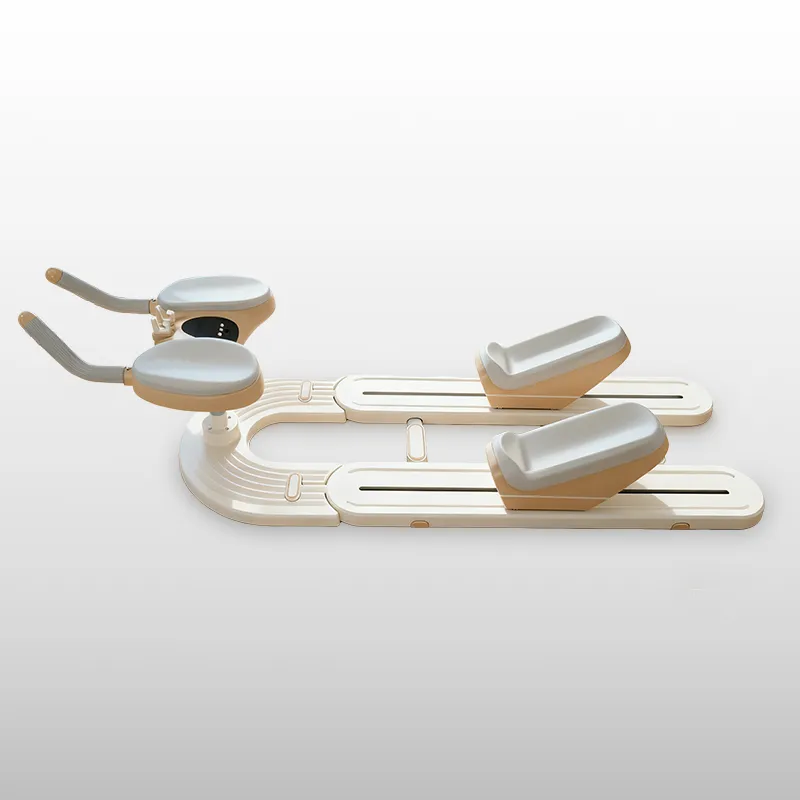
Japanse bedrijven die op zoek zijn naar betrouwbare fitnessapparatuur partnerschappen, hebben leveranciers nodig die de unieke eisen van hun markt op het gebied van kwaliteit, precisie en langetermijnbetrouwbaarheid begrijpen. Bij de selectie van een leverancier van rektrainers voor B2B-operaties in Japan moeten bedrijven factoren beoordelen die verder gaan dan basisproductspecificaties, om succesvolle marktpenetratie en klanttevredenheid te waarborgen. De Japanse fitnessmarkt vormt één van de meest geavanceerde en kwaliteitsbewuste segmenten wereldwijd, waardoor de keuze van een leverancier een cruciale strategische beslissing is voor internationale distributeurs van fitnessapparatuur en voor binnenlandse exploitanten van gezondheidsfaciliteiten.
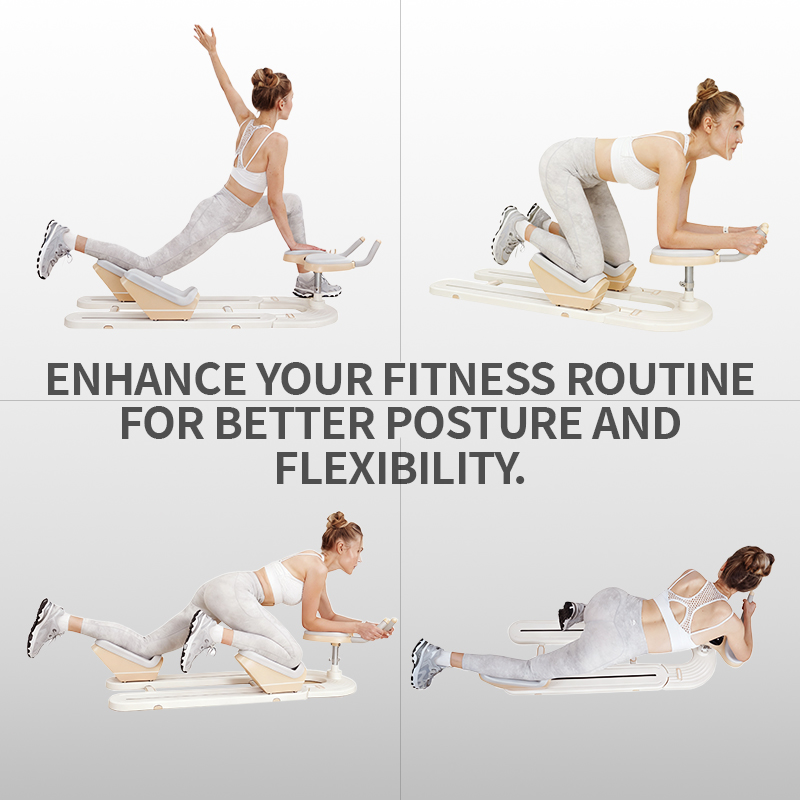
De markt voor stretchtrainers in Japan heeft een aanzienlijke groei doorgemaakt naarmate bedrijfsprogramma's voor welzijn uitbreiden en de vergrijzende bevolking vraag creëert naar revalidatie- en flexibiliteitsgerichte fitnessoplossingen. Japanse B2B-klanten geven doorgaans de voorkeur aan leveranciers die cultureel inzicht tonen, consistente kwaliteitslevering bieden en uitgebreide ondersteuningsstructuren na verkoop hebben. Deze marktomgeving stelt specifieke eisen waardoor succesvolle leveranciers van stretchtrainers zich onderscheiden van diegenen die moeite hebben om zinvolle zakelijke relaties met Japanse partners op te bouwen.
Essentiële kwalificaties voor leveranciers op de Japanse B2B-markten
Productienormen en kwaliteitscertificeringen
Japanse B2B-klanten verwachten dat leveranciers van stretchtrainers internationaal erkende kwaliteitsmanagementsystemen handhaven, met name certificering volgens ISO 9001 en naleving van relevante veiligheidsnormen. Deze certificaten tonen systematische kwaliteitscontroleprocessen aan die aansluiten bij de Japanse zakelijke verwachtingen ten aanzien van consistente productprestaties. Productiefaciliteiten moeten leenproductiemethodologieën en statistische kwaliteitscontrolemaatregelen implementeren om ervoor te zorgen dat elke stretchtrainer voldoet aan de gespecificeerde toleranties en prestatieparameters.
De eisen voor kwaliteitsdocumentatie gaan verder dan basisproductspecificaties en omvatten gedetailleerde testprotocollen, materialen traceerbaarheidsregistraties en bewijs van continue verbetering. De Japanse zakencultuur hecht waarde aan transparantie in kwaliteitsprocessen, waardoor de documentatiepraktijken van leveranciers een cruciale beoordelingsfactor zijn. Leveranciers van stretchtrainers moeten uitgebreide technische documentatie in het Japans verstrekken, inclusief installatiehandleidingen, onderhoudsplannen en procedures voor probleemoplossing die een soepele werking voor eindgebruikers mogelijk maken.
Culturele competentie en communicatie-excellentie
Succesvolle leveranciers van stretchtrainers begrijpen de Japanse zakelijke etiquette, besluitvormingsprocessen en praktijken voor relatieopbouw die de basis vormen van langetermijn B2B-partnerschappen. Dit omvat het respecteren van hiërarchische communicatiestructuren, het leveren van gedetailleerde technische presentaties en het voeren van consistente follow-upcommunicatie gedurende de gehele projectlevenscyclus. Taalvaardigheid, ofwel via tweetalig personeel of professionele vertaaldiensten, zorgt voor duidelijke technische communicatie en een juiste begripsvorming van contracten.
Culturele competentie omvat ook het begrijpen van de verwachtingen van de Japanse markt met betrekking tot timing, seizoensgebonden bedrijfscycli en budgetgoedkeuringsprocessen die invloed uitoefenen op aankoopbeslissingen. Rektrainer leveranciers die culturele gevoeligheid tonen via passende zakelijke praktijken, protocollen voor het doen van geschenken en vergaderprocedures behalen doorgaans hogere succespercentages in Japanse B2B-omgevingen.
Technische specificaties en productvereisten
Ontwerpkenmerken voor Japanse gebruikersvoorkeuren
Japanse fitnessfaciliteiten en bedrijfsgezondheidscentra vereisen doorgaans rektrainingsapparatuur die is ontworpen voor diverse lichaamstypen en flexibiliteitsniveaus van gebruikers. De gemiddelde Japanse gebruikersdemografie vereist instelbare apparatuurparameters die geschikt zijn voor kleinere lichaamslengtes, terwijl veiligheid en effectiviteit voor alle gebruikers gewaarborgd blijven. Het ontwerp van de rektrainer moet intuïtieve bedieningsinterfaces omvatten met duidelijke visuele indicatoren en een minimale leercurve voor gebruikers van alle leeftijdsgroepen.
Ergonomische overwegingen worden bijzonder belangrijk in toepassingen op de Japanse markt, waar het gebruiksniveau van apparatuur doorgaans hoger ligt dan het wereldwijde gemiddelde. De constructie van een stretchtrainer moet bestand zijn tegen dagelijks frequent gebruik, terwijl tegelijkertijd een vlotte werking en gebruikerscomfort gedurende langere sessies behouden blijven. Premiummaterialen, precisietechniek en doordachte interface-ontwerpen onderscheiden superieure leveranciers van diegenen die uitsluitend basisfunctionaliteit aanbieden, zonder aandacht voor eisen op het gebied van langetermijnprestaties.
Veiligheidsnormen en合规vereisten
De Japanse veiligheidsvoorschriften voor fitnessapparatuur overschrijden vele internationale normen, waardoor leveranciers van stretchtrainers moeten aantonen dat zij volledig voldoen aan de lokale veiligheidsvoorschriften en bedieningsrichtlijnen. Dit omvat certificeringen op het gebied van elektrische veiligheid, tests op structurele integriteit en noodstopmechanismen die voldoen aan de specificaties van de Japanse industriestandaarden (JIS). De documentatie moet gedetailleerde rapporten over veiligheidstests, protocollen voor risicobeoordeling en gebruikersveiligheidsinstructiematerialen bevatten, allemaal vertaald in het Japans.
Aansprakelijkheidsaspecten op de Japanse markt vereisen dat leveranciers van stretchtrainers uitgebreide verzekeringdekkings en duidelijke garantievoorwaarden handhaven die zowel leveranciers als eindgebruikers beschermen. Veiligheidsfuncties zoals automatische spanningsontlasting, bewaking van het gebruikersgewicht en beperkingen van het bewegingsbereik worden cruciale differentiatiefactoren wanneer Japanse klanten voorstellen van leveranciers beoordelen. Regelmatige veiligheidsaudits en continue nalevingsmonitoring tonen het engagement van de leverancier aan om de normen op de Japanse markt te handhaven.
Logistieke en toeleveringsketencapaciteiten
Verzend- en leveringsinfrastructuur
Effectieve leveranciers van stretchtrainers voor Japanse B2B-klanten onderhouden langdurige verzendrelaties met betrouwbare expediteurs die ervaring hebben met de douaneprocedures en documentatievereisten in Japan. Levering op tijd is cruciaal voor Japanse klanten, die vaak werken volgens nauwkeurige projecttijdschema's met minimale marge voor vertragingen. Leveranciers moeten nauwkeurige leverprognoses en real-time tracking van zendingen bieden om een goede voorbereiding van de faciliteit en planning van de installatie mogelijk te maken.
Verpakkingsvereisten voor verzendingen van stretchtrainers naar Japan benadrukken bescherming tijdens vervoer over lange afstand, terwijl tegelijkertijd efficiënt uitpakken en montage worden ondersteund. Japanse installaties hebben vaak ruimtebeperkingen, waardoor verwijdering van verpakkingen en positionering van apparatuur belangrijke logistieke overwegingen zijn. Leveranciers die de verpakking optimaliseren voor de Japanse marktomstandigheden en duidelijke instructies voor het uitpakken verstrekken, behalen doorgaans een hoger klanttevredenheidsniveau en een soepeler installatieproces.
Voorraadbeheer en voorraadbeschikbaarheid
Japanse B2B-klanten verwachten dat leveranciers van stretchtrainers voldoende voorraadniveaus handhaven, zowel voor initiële bestellingen als voor vervangingsonderdelen gedurende de gehele levenscyclus van de apparatuur. Dit vereist geavanceerde vraagvoorspellingsmogelijkheden en regionale voorraadpositionering om snelle reactietijden te garanderen bij dringende bestellingen. Leveranciers dienen voorraadbeheersystemen op te zetten die in realtime informatie over beschikbaarheid bieden en automatische herbestelinstructies genereren voor kritieke onderdelen.
Seizoensgebonden vraagfluctuaties op de Japanse markt vereisen dat leveranciers hun voorraadstrategieën dienovereenkomstig aanpassen, met name voor stretchtrainerapparatuur die wordt gebruikt in bedrijfsgezondheidsprogramma's en fitnessfaciliteiten. Een goed begrip van de Japanse begrotingsjaarcyclus, het tijdstip van begrotingsgoedkeuring en seizoensgebonden fitnesstrends stelt leveranciers in staat om de voorraad adequaat te positioneren en tekorten tijdens piekperiodes van vraag te voorkomen.
After-salesondersteuning en service-excellentie
Infrastructuur voor technische ondersteuning
Japanse B2B-klanten eisen dat leveranciers van stretchtrainers een uitgebreide technische ondersteuningsinfrastructuur bieden, inclusief lokale servicevertegenwoordigers, beschikbaarheid van vervangende onderdelen en snelle responsmogelijkheden bij apparatuurproblemen. Deze ondersteuningsstructuur moet Japanse technische medewerkers omvatten die vertrouwd zijn met de specificaties van de apparatuur en effectieve probleemoplossende richtlijnen kunnen geven. Afstandsdiagnostische mogelijkheden en video-ondersteuningssessies verbeteren de efficiëntie van de service en verminderen de stilstandtijd voor Japanse faciliteiten.
Preventieve onderhoudsprogramma's worden bijzonder waardevol voor Japanse klanten die proactief onderhoud van apparatuur verkiezen boven reactieve reparatiebenaderingen. Leveranciers van stretchtrainers moeten geplande onderhoudsdiensten, prestatiebewakingssystemen en voorspellend onderhoud bieden die aansluiten bij de Japanse operationele voorkeuren voor betrouwbaarheid en levensduur van apparatuur.
Opleidings- en educatieve programma's
Uitgebreide trainingsprogramma's voor het gebruik en onderhoud van stretchtrainers stellen Japanse klanten in staat om het apparaatgebruik te maximaliseren en operationele problemen tot een minimum te beperken. Deze programma's moeten zowel initiële training voor nieuwe installaties als voortdurende opleiding voor personeelsontwikkeling en updates van de apparatuur omvatten. De trainingsmaterialen moeten professioneel naar het Japans zijn vertaald en afgestemd op lokale leervoorkeuren en technische communicatiestijlen.
Certificeringsprogramma's voor het gebruik en onderhoud van stretchtrainers bieden extra waarde voor Japanse B2B-klanten, die vaak gedocumenteerde competentiebevestiging voor hun personeel vereisen. Leveranciers die erkende certificeringskwalificaties en mogelijkheden voor voortgezet onderwijs aanbieden, ontwikkelen doorgaans sterkere relaties met Japanse klanten en bereiken hogere apparatuurgebruikspercentages binnen hun geïnstalleerde basis.
Financiële overwegingen en contractvoorwaarden
Prijzingsstrategieën en betalingsvoorwaarden
Succesvolle leveranciers van stretchtrainers begrijpen de Japanse zakelijke voorkeur voor transparante prijsstructuren en flexibele betalingsregelingen die rekening houden met budgetcycli en liquiditeitsoverwegingen. Dit omvat het aanbieden van volumekortingen bij aankoop van meerdere eenheden en uitgestelde betalingstermijnen voor gekwalificeerde Japanse B2B-klanten. Valutahedgingopties en garanties voor prijsstabiliteit bieden extra waarde voor Japanse klanten die zich zorgen maken over wisselkoersschommelingen tijdens langdurige inkoopprocessen.
Leasefinancieringsmogelijkheden en programma’s voor het upgraden van apparatuur spreken Japanse klanten aan die de huidige technologieniveau’s willen behouden zonder grote kapitaalinvesteringen. Leveranciers van stretchtrainers die samenwerken met Japanse financiële instellingen of directe financieringsoplossingen aanbieden, verkrijgen vaak concurrentievoordelen bij de beoordeling van offertes. Berekeningen van de totale eigendomskosten, inclusief onderhoud, training en ondersteunende diensten, verstrekken Japanse klanten uitgebreide informatie voor budgetplanning.
Garantiedekking en servicegaranties
Japanse B2B-klanten verwachten uitgebrekte garantiedekking voor stretchtrainerapparatuur, die verder reikt dan basisproductiefouten en ook prestatiegaranties en serviceleveltoezeggingen omvat. Uitgebreide garantieopties en op prestaties gebaseerde serviceovereenkomsten bieden extra zekerheid aan Japanse klanten die aanzienlijke investeringen in apparatuur doen. Duidelijke garantievoorwaarden in de Japanse taal voorkomen mogelijke misverstanden en vergemakkelijken een soepele oplossing van eventuele apparatuurproblemen.
Servicelevelovereenkomsten moeten reactietijden, oplossingsprocedures en escalatieprocessen specificeren die voldoen aan de Japanse zakelijke verwachtingen ten aanzien van leveranciersverantwoordelijkheid. Leveranciers van stretchtrainers die specifieke uptime-percentages garanderen en servicecredits verstrekken bij prestatietekorten tonen vertrouwen in hun producten en servicecapaciteiten, terwijl zij meetbare waardebeloften bieden aan Japanse klanten.
Veelgestelde vragen
Welke certificaten moeten leveranciers van stretchtrainers hebben voor de Japanse markt?
Leveranciers van stretchtrainers moeten ISO 9001-certificering voor kwaliteitsmanagement behouden, voldoen aan relevante veiligheidsnormen en, indien van toepassing, certificering volgens de Japanse Industriestandaarden (JIS). Aanvullende certificaten zoals CE-markering en UL-listing verlenen internationale geloofwaardigheid, terwijl specifieke Japanse veiligheidskeurmerken toegang tot de markt en naleving van de regelgeving waarborgen.
Hoe belangrijk is een lokale aanwezigheid voor leveranciers van stretchtrainers in Japan?
Een lokale aanwezigheid via vertegenwoordigingskantoren, servicecentra of partnernetwerken versterkt aanzienlijk de geloofwaardigheid en servicecapaciteiten van leveranciers bij Japanse B2B-klanten. Hoewel fysieke aanwezigheid niet altijd verplicht is, verbetert het beschikken over Japanssprekend ondersteunend personeel en lokale servicecapaciteiten de klantrelaties en tevredenheidsniveaus aanzienlijk.
Wat zijn de gebruikelijke levertijden voor stretchtrainerapparatuur naar Japan?
De standaardlevertijden voor stretchtrainerapparatuur liggen tussen de 4 en 8 weken, afhankelijk van de bestelomvang, aanpassingsvereisten en verzendmethoden. Versnelde verzendopties kunnen de levertijden verkorten tot 2–3 weken voor dringende bestellingen, terwijl aangepaste configuraties mogelijk 10–12 weken nodig hebben voor het volledige productie- en leveringsproces.
Hoe beoordelen Japanse B2B-klanten doorgaans leveranciers van stretchtrainers?
Japanse B2B-klanten beoordelen leveranciers van stretchtrainers op basis van kwaliteitscertificaten, technische specificaties, culturele competentie, mogelijkheden voor ondersteuning na verkoop en totale eigendomskosten. Referentieklanten, demonstratiemogelijkheden en gedetailleerde technische documentatie spelen een belangrijke rol in het beoordelingsproces, waarbij relatieopbouw vaak plaatsvindt vóór de formele selectieprocedure voor leveranciers.
Inhoudsopgave
- Essentiële kwalificaties voor leveranciers op de Japanse B2B-markten
- Technische specificaties en productvereisten
- Logistieke en toeleveringsketencapaciteiten
- After-salesondersteuning en service-excellentie
- Financiële overwegingen en contractvoorwaarden
-
Veelgestelde vragen
- Welke certificaten moeten leveranciers van stretchtrainers hebben voor de Japanse markt?
- Hoe belangrijk is een lokale aanwezigheid voor leveranciers van stretchtrainers in Japan?
- Wat zijn de gebruikelijke levertijden voor stretchtrainerapparatuur naar Japan?
- Hoe beoordelen Japanse B2B-klanten doorgaans leveranciers van stretchtrainers?