 EN
EN

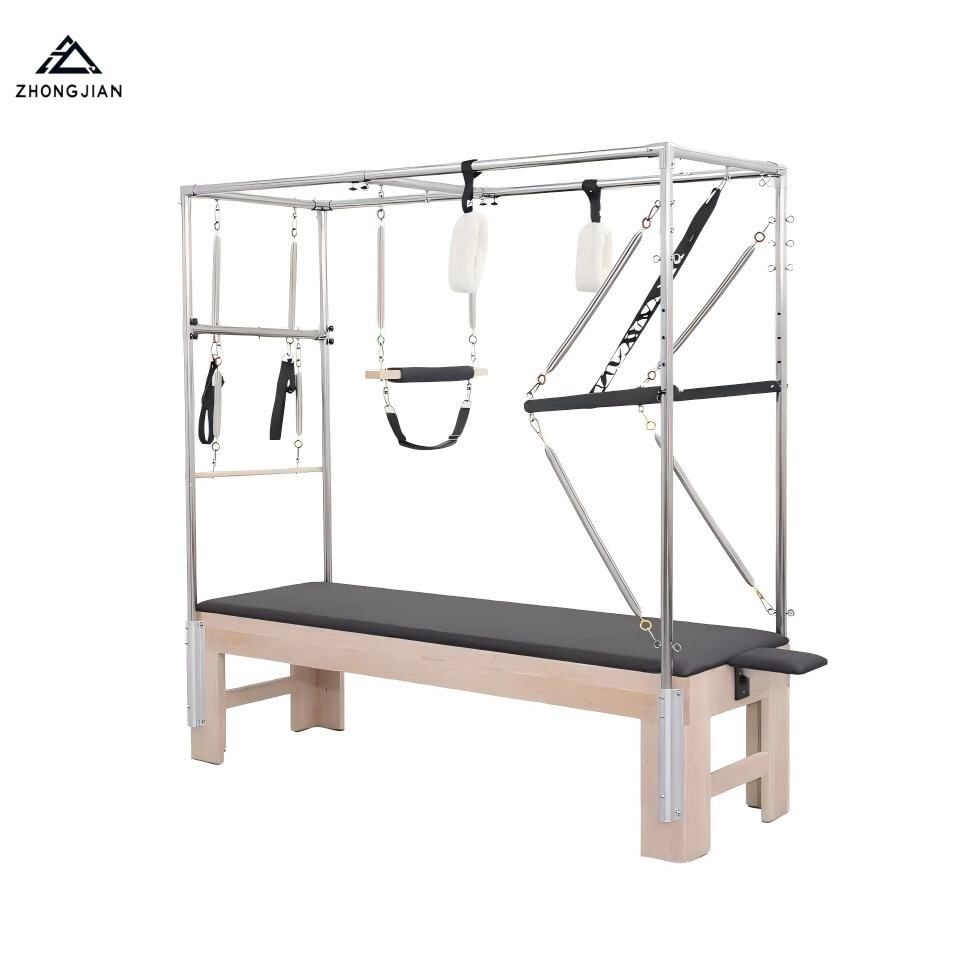
The cadillac reformer represents one of the most versatile and effective pieces of equipment in modern Pilates studios and rehabilitation centers. This comprehensive apparatus combines the traditional reformer's sliding carriage system with the vertical framework and spring attachments of a Cadillac tower, creating an all-in-one solution for strength training, flexibility enhancement, and therapeutic movement. Professional instructors and physical therapists increasingly recognize how this integrated design addresses multiple fitness goals while accommodating clients of varying abilities and physical conditions.
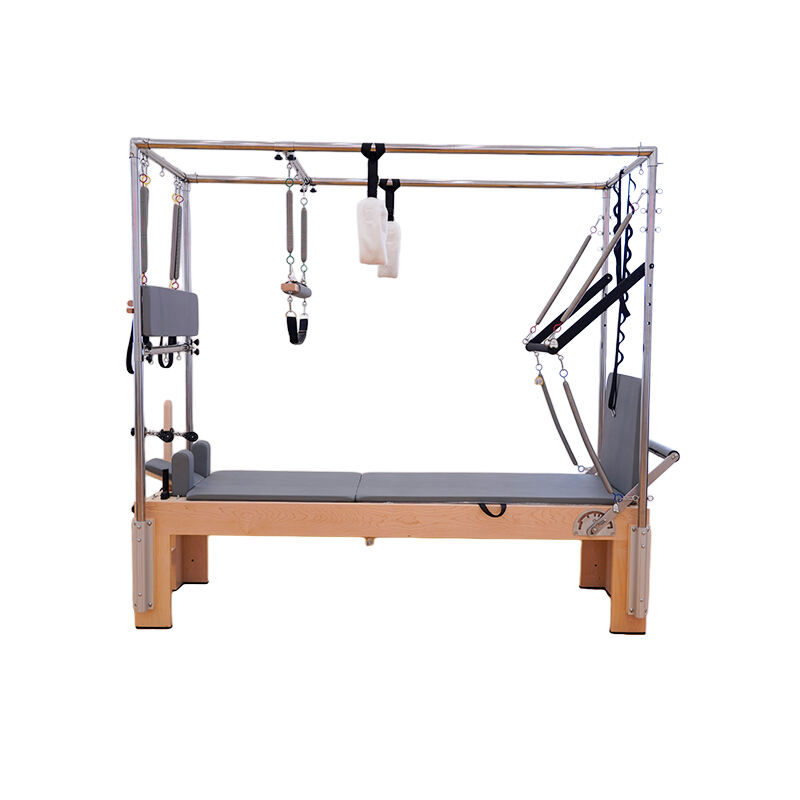
Understanding the Mechanical Advantages of Integrated Design
Spring Resistance Systems and Movement Patterns
The cadillac reformer utilizes a sophisticated spring resistance system that provides both assistance and challenge throughout various movement patterns. Unlike traditional weight machines that rely on gravity-based resistance, the spring system offers variable tension that adapts to the user's position and movement speed. This dynamic resistance pattern closely mimics natural muscle recruitment patterns, making exercises more functional and applicable to daily activities. The springs can be adjusted to provide anywhere from light assistance for rehabilitation work to significant resistance for advanced strength training.
The horizontal sliding carriage works in conjunction with vertical spring attachments to create three-dimensional movement possibilities. This integration allows for exercises that simultaneously challenge stability, strength, and coordination while maintaining proper alignment. The smooth gliding action reduces joint impact while providing continuous muscle engagement throughout the full range of motion, making it particularly beneficial for clients recovering from injuries or those with joint limitations.
Anatomical Positioning and Biomechanical Benefits
The elevated platform of a cadillac reformer enables optimal body positioning for various therapeutic and strengthening exercises. The height adjustment capabilities accommodate different body types and movement requirements, ensuring that each client can maintain proper spinal alignment throughout their workout. This positioning advantage becomes particularly important when working with elderly clients or those with mobility restrictions who might struggle with floor-based exercises.
The equipment's design promotes neutral spine positioning while allowing for controlled spinal flexion, extension, and rotation movements. The spring-loaded leg and arm attachments encourage proper joint mechanics by providing feedback about movement quality and alignment. This biomechanical advantage helps clients develop better movement patterns that translate directly to improved posture and reduced injury risk in daily activities.
Core Strengthening Applications and Progressions
Deep Stabilizer Activation Protocols
The cadillac reformer excels at targeting deep core stabilizers through its unstable surface and spring resistance combinations. The sliding carriage challenges the body's proprioceptive systems, forcing the deep abdominal muscles, pelvic floor, and multifidus to activate for stability. This activation occurs naturally without requiring conscious effort, making core strengthening more efficient and effective than traditional ab exercises.
Progressive loading protocols can be implemented by adjusting spring tension and exercise complexity. Beginning clients might start with basic breathing exercises while lying on the carriage, focusing on diaphragmatic breathing and pelvic floor engagement. As stability improves, exercises can progress to include limb movements, spinal articulation, and multi-planar challenges that integrate core stability with functional movement patterns.
Advanced Core Integration Techniques
Advanced practitioners can utilize the cadillac reformer for complex movement sequences that challenge core stability in multiple planes simultaneously. The vertical springs allow for rotational exercises while maintaining spinal alignment, creating opportunities for sport-specific training and functional movement preparation. These advanced applications require precise instruction and careful progression to ensure safety and effectiveness.
The equipment's versatility allows for seamless transitions between exercises, maintaining continuous core engagement throughout the entire session. This approach maximizes training time while developing the endurance and coordination necessary for sustained core stability in real-world activities. The ability to quickly adjust resistance levels enables instructors to challenge clients at their optimal training zone throughout the workout.
Flexibility and Mobility Enhancement Strategies
Assisted Stretching Protocols
The spring assistance feature of the cadillac reformer revolutionizes flexibility training by providing gentle support during stretching movements. This assistance allows clients to achieve greater range of motion safely while reducing the risk of overstretching or injury. The springs can be configured to support specific body segments, enabling targeted stretching of tight muscle groups while maintaining proper alignment in adjacent areas.
Dynamic stretching protocols benefit significantly from the equipment's movement capabilities. The sliding carriage allows for flowing movements that combine stretching with strengthening, creating a more comprehensive approach to flexibility development. This dynamic approach helps improve tissue quality and joint mobility more effectively than static stretching alone, particularly for athletes and active individuals.
Joint Mobilization and Range of Motion Restoration
The cadillac reformer provides excellent opportunities for gentle joint mobilization through supported movement patterns. The spring assistance reduces gravitational stress on joints while encouraging full range of motion exploration. This approach proves particularly valuable for clients recovering from surgery or injury, where gradual range of motion restoration is essential for optimal healing.
Specific protocols can address common problem areas such as shoulder impingement, hip flexor tightness, and thoracic spine mobility restrictions. The equipment's adjustability allows for precise positioning to target specific joint restrictions while avoiding compensatory movement patterns. Regular use of these mobilization techniques helps maintain joint health and prevents the development of movement restrictions that commonly occur with aging or sedentary lifestyles.
Rehabilitation Applications and Therapeutic Benefits
Post-Injury Recovery Protocols
Physical therapists increasingly incorporate cadillac reformer training into rehabilitation programs due to its ability to provide controlled, progressive loading of healing tissues. The adjustable spring resistance allows for precise load management, enabling therapists to challenge recovering muscles and joints within safe parameters. This controlled environment accelerates recovery while minimizing the risk of re-injury.
The equipment's support system enables early mobilization of injured areas, preventing the muscle atrophy and joint stiffness that commonly occur during prolonged immobilization. Clients can begin movement-based therapy earlier in their recovery process, leading to better outcomes and shorter rehabilitation periods. The psychological benefits of being able to move and exercise during recovery also contribute significantly to the healing process.
Chronic Condition Management
Individuals with chronic conditions such as arthritis, fibromyalgia, and chronic pain syndromes often find significant relief through cadillac reformer training. The low-impact nature of the exercises reduces joint stress while providing the movement and strengthening benefits necessary for condition management. The spring assistance helps compensate for muscle weakness or joint limitations, enabling participation in beneficial exercise when traditional methods might be too challenging.
Long-term management protocols can be developed to address the specific needs of each condition. For arthritis sufferers, gentle range of motion exercises combined with strength training help maintain joint function and reduce pain. Fibromyalgia clients benefit from the gentle, flowing movements that improve circulation and reduce muscle tension without triggering symptom flares. These individualized approaches make the cadillac reformer an invaluable tool for ongoing health management.
Training Progressions for Different Populations
Beginner-Friendly Introduction Methods
New clients often feel intimidated by complex exercise equipment, but the cadillac reformer can be introduced gradually through simple, supported movements. Initial sessions typically focus on basic breathing exercises, gentle stretching, and simple strengthening movements that build confidence while establishing proper movement patterns. The equipment's stability and support features help beginners feel secure while learning fundamental Pilates principles.
Progressive teaching methods begin with lying positions that provide maximum support and gradually advance to sitting and standing positions that challenge balance and coordination. Each progression builds upon previous skills, ensuring that clients develop a solid foundation before advancing to more complex movements. This systematic approach reduces injury risk while maximizing learning efficiency and client satisfaction.
Athletic Performance Enhancement Programs
Elite athletes and serious fitness enthusiasts can utilize the cadillac reformer for sport-specific training and performance enhancement. The equipment's ability to create unstable surfaces and variable resistance patterns closely mimics the unpredictable demands of athletic competition. Power development, agility training, and injury prevention protocols can all be effectively implemented using this versatile apparatus.
Advanced training protocols incorporate plyometric movements, rapid direction changes, and complex coordination challenges that translate directly to improved athletic performance. The precise control over resistance levels allows for periodized training programs that align with competitive seasons and training goals. Many professional sports teams now incorporate cadillac reformer training into their conditioning programs for these performance benefits.
FAQ
How often should clients use a cadillac reformer for optimal results
Most clients achieve optimal results with 2-3 cadillac reformer sessions per week, allowing adequate recovery time between workouts while maintaining consistent progress. Beginners may start with 1-2 sessions weekly and gradually increase frequency as their conditioning improves. Advanced clients or those in rehabilitation may benefit from more frequent sessions under professional supervision, while recreational users typically find 2 sessions per week sufficient for maintaining strength and mobility gains.
What makes the cadillac reformer different from regular reformer equipment
The cadillac reformer combines the horizontal sliding carriage system of a traditional reformer with the vertical tower framework of a Cadillac, creating a more versatile training environment. This integration provides additional exercise options, improved space efficiency, and greater movement variety compared to separate pieces of equipment. The vertical springs and bars enable exercises that aren't possible on a standard reformer, making it a more comprehensive solution for studios with space constraints.
Can older adults safely use cadillac reformer equipment
Yes, the cadillac reformer is exceptionally well-suited for older adults due to its supportive design and adjustable resistance levels. The spring assistance helps compensate for strength limitations while the stable platform reduces fall risk. Many exercises can be performed in supported positions that accommodate balance or mobility issues. However, proper instruction from certified professionals is essential to ensure safety and appropriate exercise selection for individual capabilities and health conditions.
What specific injuries or conditions benefit most from cadillac reformer training
Back pain, joint stiffness, post-surgical rehabilitation, and muscle weakness respond particularly well to cadillac reformer training. The equipment excels at treating conditions requiring controlled movement, gentle strengthening, and improved flexibility. Shoulder impingement, hip replacement recovery, spinal stenosis, and osteoarthritis are among the conditions that frequently see significant improvement with proper programming. The key is working with qualified professionals who can design appropriate protocols for specific conditions and recovery stages.