 EN
EN

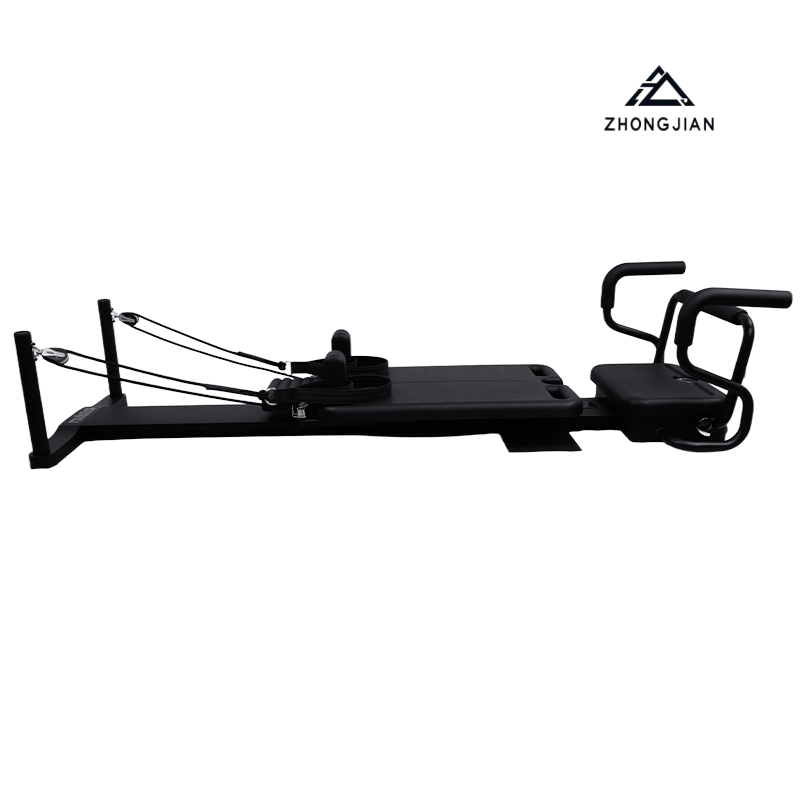
A pilates machine is one of the most effective tools for achieving genuine full-body conditioning. Unlike isolated gym equipment that targets a single muscle group, a pilates machine integrates resistance, alignment, and controlled movement into every exercise. This combination makes the pilates machine a preferred choice for athletes, rehabilitation clients, and anyone seeking a structured, low-impact training system that delivers measurable results across the entire body.
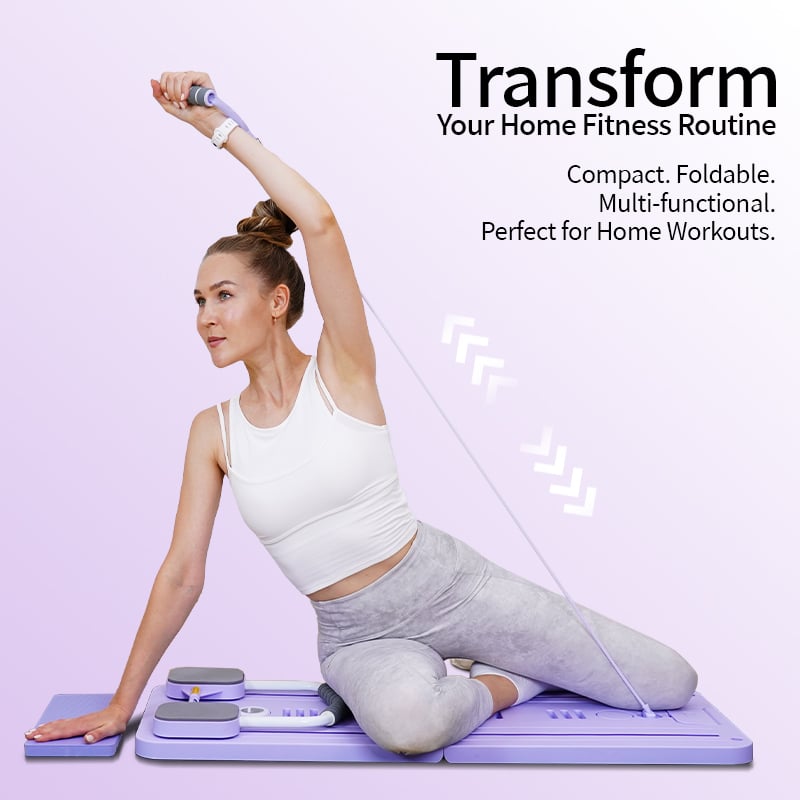
Understanding how a pilates machine benefits the body requires looking at the mechanics behind each movement. Every session on a pilates machine engages the core, limbs, and stabilizing muscles simultaneously. This systemic approach to training is what separates a pilates machine from conventional fitness tools, and it explains why professional studios, physical therapy centers, and home gyms alike continue to invest in quality pilates machine equipment.
Core Strength and Postural Development
How the Pilates Machine Activates Deep Core Muscles
One of the most recognized benefits of using a pilates machine is its ability to engage deep core musculature. The spring-based resistance system on a pilates machine creates constant tension throughout the range of motion, which forces the stabilizing muscles of the trunk to remain active at all times. This continuous engagement trains the transverse abdominis, multifidus, and pelvic floor muscles in a way that standard abdominal exercises simply cannot replicate. Regular pilates machine training builds a strong, stable core that supports every physical activity.
A pilates machine also promotes postural alignment by requiring the user to maintain neutral spine positioning during exercises. Poor posture is a widespread issue for desk workers, athletes, and older adults alike. Training on a pilates machine corrects muscular imbalances that lead to forward head posture, rounded shoulders, and lower back pain. Over several weeks of consistent pilates machine sessions, users typically report noticeable improvements in their natural standing posture and reduced discomfort in the neck and back regions.
Spinal Mobility Supported by Pilates Machine Training
The pilates machine supports controlled spinal articulation, which is essential for long-term back health. Movements on a pilates machine guide the spine through flexion, extension, lateral bending, and rotation within safe parameters. This full range of spinal motion keeps the intervertebral discs hydrated and mobile, reducing the risk of stiffness and compression injuries. For individuals recovering from back conditions, a pilates machine under professional guidance offers a graduated, therapeutic pathway back to full function.
Muscle Balance, Flexibility, and Functional Strength
Building Balanced Strength Across the Entire Body
A professional pilates machine is designed to train the body as an integrated unit rather than in isolated segments. The carriage and spring system of a pilates machine allows users to perform pushing, pulling, squatting, and hinging movements with adjustable resistance. This variability ensures that both dominant and non-dominant sides of the body receive equal training stimulus. Addressing muscle imbalances through a pilates machine is particularly valuable for athletes who tend to overdevelop certain muscle groups while neglecting opposing ones. Balanced muscular development improves athletic performance and reduces injury risk significantly.
Functional strength is another key advantage of training on a pilates machine. Unlike fixed-path weight machines that isolate muscles artificially, a pilates machine requires users to stabilize and coordinate multiple muscle groups during each movement. This trains the neuromuscular system to fire muscles in the correct sequence, which translates directly into better performance in daily activities such as lifting, reaching, and climbing stairs. A pilates machine essentially teaches the body to move more efficiently under load.
Improving Flexibility Through Pilates Machine Resistance
Flexibility training on a pilates machine differs from static stretching because the springs provide gentle, progressive assistance or resistance during lengthening movements. This dynamic approach to flexibility allows muscles to elongate through their full range of motion while remaining under neuromuscular control. Using a pilates machine for flexibility work reduces the risk of overstretching and helps maintain joint integrity. Over time, consistent pilates machine sessions improve hamstring length, hip flexor mobility, shoulder range of motion, and thoracic spine rotation, all of which contribute to a more capable and resilient body.
Low-Impact Training With High Conditioning Value
Why the Pilates Machine Suits Diverse Fitness Levels
The pilates machine is inherently low-impact, making it accessible to a broader population than most gym equipment. Because the pilates machine uses spring tension rather than heavy free weights, joint stress is minimized while muscular demand remains high. This quality makes the pilates machine ideal for older adults managing joint health, pregnant or postpartum individuals rebuilding core function, and athletes in recovery phases who need to maintain conditioning without loading injuries. The pilates machine can be scaled from very light resistance to challenging loads, accommodating beginners and advanced practitioners within the same piece of equipment.
Professional pilates machine programs also emphasize breath control and mental focus, which adds a mindfulness component to physical training. The deliberate, controlled nature of pilates machine exercises reduces cortisol levels and improves body awareness. This dual benefit of physical conditioning and stress reduction gives the pilates machine a wellness dimension that purely strength-focused equipment lacks. For clients managing chronic stress or anxiety alongside fitness goals, a pilates machine offers a uniquely comprehensive training solution.
Pilates Machine Training for Long-Term Body Conditioning
Consistent pilates machine use produces cumulative benefits that compound over time. Users who train regularly on a pilates machine develop greater joint stability, improved muscular endurance, and more refined movement patterns. These adaptations support long-term physical health and reduce the likelihood of age-related decline in mobility and strength. A pilates machine is not a short-term fitness trend but a proven conditioning tool with decades of professional application in sports science, rehabilitation, and wellness industries.
FAQ
How often should I use a pilates machine for full-body conditioning?
Most professionals recommend using a pilates machine three to four times per week for optimal conditioning results. This frequency allows adequate recovery while maintaining the consistent stimulus needed for muscular adaptation. Beginners may start with two pilates machine sessions per week and gradually increase as their strength and body awareness develop.
Can a pilates machine replace other forms of strength training?
A pilates machine can serve as a primary training tool for many individuals, especially those prioritizing functional strength, mobility, and injury prevention. For those seeking maximal muscle hypertrophy or sport-specific power development, a pilates machine works best when combined with complementary strength training modalities. However, for general full-body conditioning, a pilates machine is highly sufficient on its own.
Is a pilates machine suitable for people with joint pain?
Yes, a pilates machine is widely used in rehabilitation settings precisely because its spring-based resistance is gentle on joints. The controlled, low-impact nature of pilates machine exercises makes it appropriate for individuals with knee, hip, shoulder, or spinal conditions. It is always advisable to consult a qualified instructor or physiotherapist before beginning a pilates machine program when managing a specific joint condition.