 EN
EN

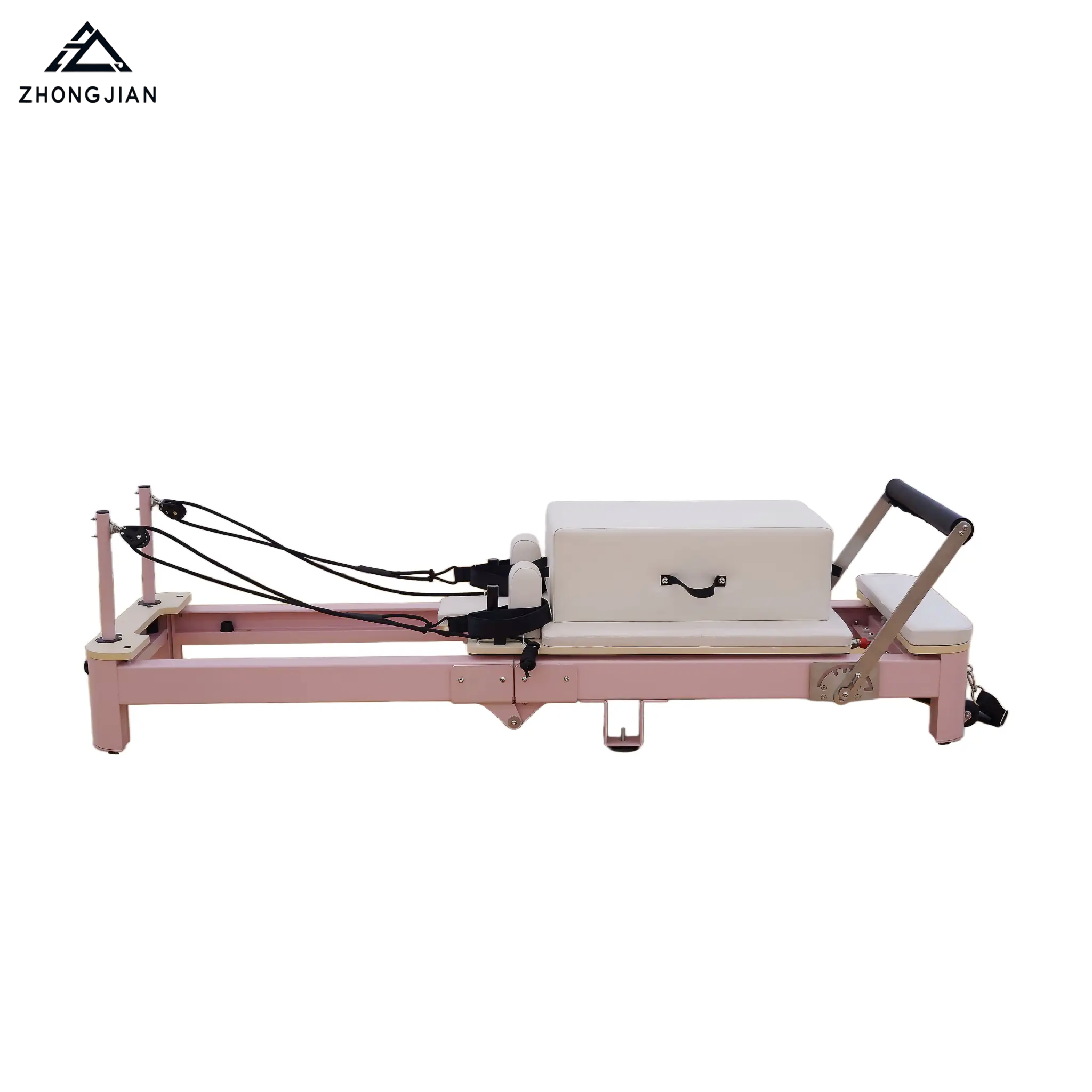
The pilates chair has become one of the most sought-after pieces of equipment in modern fitness studios. Unlike bulkier reformers or cadillac units, the pilates chair offers a compact yet highly functional training platform that challenges balance, strength, and coordination simultaneously. Studio owners who invest in a pilates chair quickly discover how much programming versatility it adds to their service offerings, making it an asset that pays for itself through client retention and session diversity.
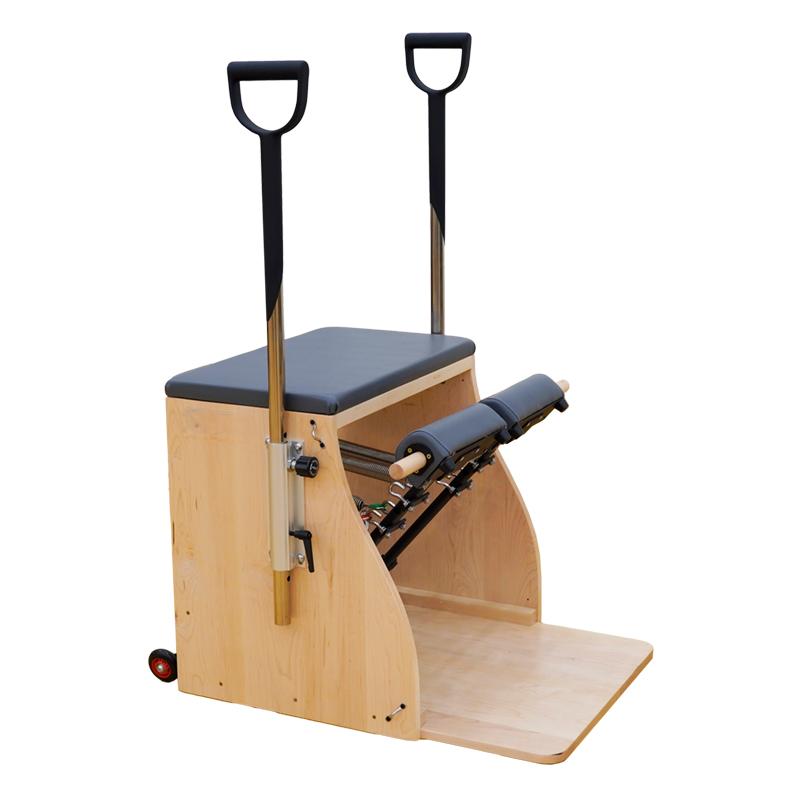
A well-designed pilates chair brings together engineering precision and movement science in a single, elegant frame. Whether a studio focuses on rehabilitation, athletic conditioning, or general wellness, the pilates chair adapts to serve a wide range of client profiles. Understanding what specifically makes a pilates chair a must-have helps studio owners make informed purchasing decisions that align with their business goals and client demographics.
Functional Design That Sets the Pilates Chair Apart
Compact Structure with Maximum Training Potential
One of the defining qualities of a pilates chair is its remarkably small footprint compared to the training value it delivers. A single pilates chair occupies only a fraction of the floor space required by a reformer, yet it offers a comparable range of exercise progressions. This makes the pilates chair ideal for boutique studios, urban fitness spaces, and multi-use training rooms where every square meter counts. Studio operators can install multiple pilates chair units in a space where only one reformer would fit, dramatically expanding class capacity without expanding the facility.
The pilates chair also supports exercises performed in standing, seated, side-lying, and prone positions, giving instructors the flexibility to design full-body sessions around a single apparatus. This positional versatility is a key reason the pilates chair remains central to progressive studio programming worldwide.
Spring Resistance System and Adjustability
The spring-based resistance system of a pilates chair is engineered to provide variable load throughout each movement pattern. Unlike fixed-weight machines, a pilates chair allows instructors to adjust resistance levels quickly between exercises and between clients of different fitness levels. This adaptability means one pilates chair can serve both a senior client in a low-impact rehabilitation session and an advanced athlete working on single-leg power development. The ability to adjust the pilates chair resistance precisely also supports safe progression, which is critical in professional studio environments where liability and client safety are priorities.
Client Benefits That Drive Studio Revenue
Whole-Body Conditioning on One Apparatus
Clients who train regularly on a pilates chair experience measurable improvements in core stability, lower body strength, and neuromuscular coordination. The pilates chair demands active engagement of stabilizing muscles throughout every exercise because the moving pedal creates an unstable environment that challenges the body to maintain alignment. This type of functional training resonates strongly with clients who seek results beyond aesthetics, including improved posture, injury prevention, and athletic performance. When clients see tangible progress through pilates chair training, they remain loyal to the studio, increasing lifetime customer value.
Group pilates chair classes also generate strong social energy that keeps participants motivated and encourages referrals. A studio that offers dedicated pilates chair sessions builds a distinct identity in a competitive market, attracting clients who specifically seek out this specialized training format.
Rehabilitation and Special Population Programming
The pilates chair is uniquely suited to rehabilitation work because its design allows for highly controlled, low-impact movement. Physical therapists and movement specialists frequently incorporate the pilates chair into recovery protocols for knee, hip, and spinal conditions. The ability to perform weight-bearing exercises at adjustable resistance levels makes the pilates chair valuable for clients returning from injury, postpartum individuals, and older adults managing chronic conditions. Studios that offer medically informed pilates chair programming can build partnerships with healthcare providers, opening a referral pipeline that consistently delivers motivated new clients.
Material Quality and Long-Term Studio Investment
Why Wood Construction Matters for a Pilates Chair
The choice of material in a pilates chair significantly affects its durability, aesthetics, and user experience. A maple wood pilates chair, for example, combines structural rigidity with a warm visual appeal that elevates the atmosphere of any studio environment. Maple is particularly valued in fitness equipment construction because of its hardness and resistance to surface wear, ensuring the pilates chair maintains its appearance even under daily commercial use. Studio clients notice the quality of their equipment, and a well-crafted pilates chair signals professionalism and care that reinforces brand trust.
Wood-constructed pilates chair units also tend to produce less noise during pedal movement compared to metal-frame alternatives. In a studio setting where ambient sound matters for the client experience, a quieter pilates chair contributes to a more focused and premium atmosphere.
Return on Investment for Studio Owners
When evaluating studio equipment, studio owners must assess both the upfront cost and the long-term revenue potential of each piece. A pilates chair delivers strong ROI because it enables private sessions, semi-private sessions, and group classes without requiring significant floor space or operational overhead. The pilates chair also has relatively simple maintenance requirements compared to large Pilates apparatus, reducing the total cost of ownership over time. Studios that build signature pilates chair programs create a premium service category that justifies higher session pricing, directly improving profit margins.
FAQ
How many pilates chair units does a studio need to get started?
Most studios begin with two to four pilates chair units, which is sufficient to run small group classes while also accommodating private and semi-private sessions. As demand grows, adding more pilates chair units is straightforward because of their compact size. Starting with a manageable number allows studios to build their pilates chair programming organically before scaling.
Is a pilates chair suitable for beginners?
Yes, the pilates chair is appropriate for beginners when properly introduced by a qualified instructor. The adjustable resistance and varied exercise positions of the pilates chair allow instructors to start clients at a safe and manageable intensity. Beginners typically begin with foundational pilates chair exercises that build body awareness before progressing to more challenging movements.
What should studios look for when purchasing a pilates chair?
Studios should evaluate the build material, spring system quality, pedal design, and weight capacity when selecting a pilates chair. A maple wood pilates chair is a popular choice for commercial studios due to its durability and professional appearance. Additionally, studios should consider the supplier's warranty terms and availability of replacement parts to ensure the pilates chair remains serviceable throughout its lifespan.