 EN
EN

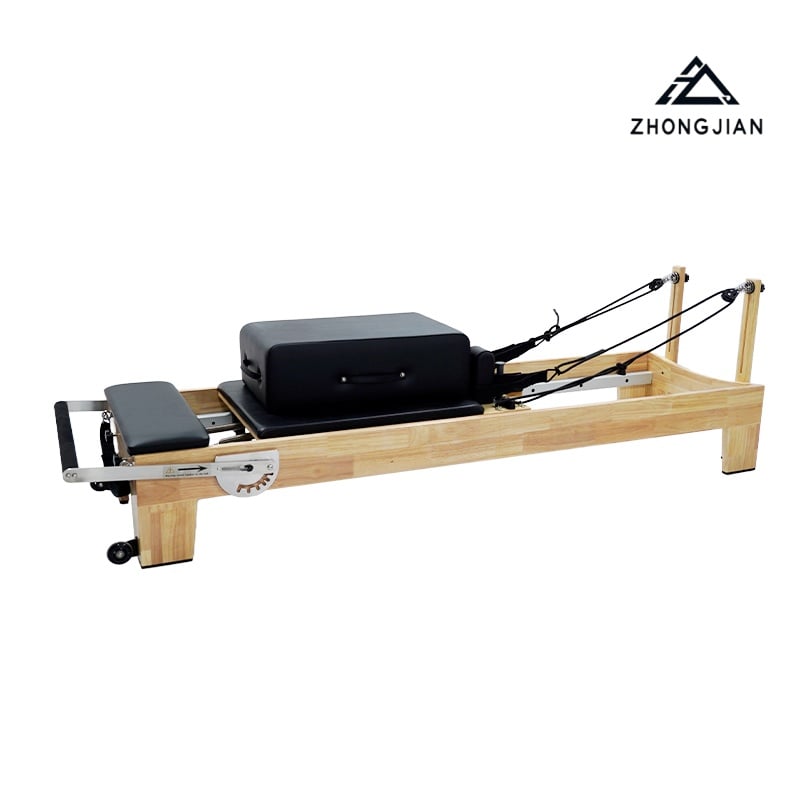
A pilates reformer with tower is one of the most capable pieces of fitness equipment available for both studio professionals and dedicated home users. By combining the sliding carriage mechanics of a traditional reformer with a vertical tower frame, this integrated system allows users to access a dramatically wider range of exercises within a single compact footprint. When you invest in a pilates reformer with tower, you are not simply buying two pieces of equipment merged together — you are unlocking a fundamentally more versatile workout experience that addresses strength, flexibility, coordination, and rehabilitation simultaneously.
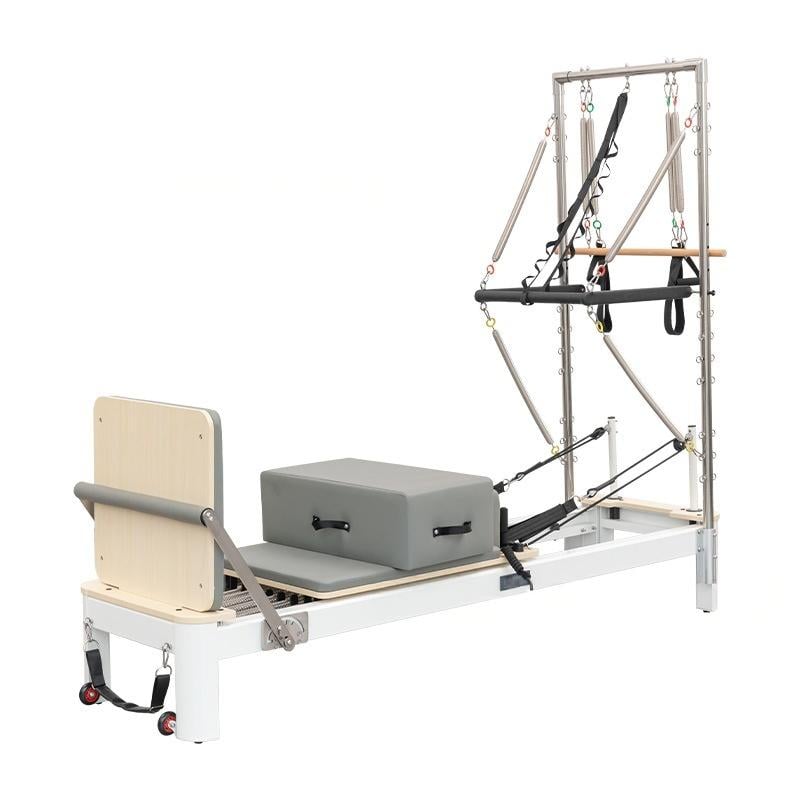
The design of a pilates reformer with tower integrates spring-loaded resistance from both horizontal and vertical directions, giving instructors and practitioners the ability to target muscle groups from multiple angles in a single session. This dual-resistance architecture is precisely why a pilates reformer with tower is considered a gold-standard tool in professional pilates studios, physiotherapy clinics, and progressive home gyms around the world. Understanding how this machine expands workout versatility requires a closer look at its structural advantages, the exercise categories it enables, and the practical benefits it delivers to users at every fitness level.
Structural Advantages of the Combined Design
How the Tower Frame Extends Exercise Range
The tower component of a pilates reformer with tower is a vertical frame that rises from one end of the reformer bed. Attached to this frame are spring bars, push-through bars, roll-down bars, and adjustable arm springs, all of which create resistance pathways that a standalone reformer simply cannot provide. When using a pilates reformer with tower, the practitioner can perform standing exercises, seated exercises, supine exercises, and inverted positions without switching machines or resetting the entire apparatus. This continuous flow of movement is a major reason why a pilates reformer with tower supports longer, more efficient training sessions.
Spring Resistance From Multiple Directions
A conventional reformer offers resistance along a single horizontal axis through the carriage and footbar system. A pilates reformer with tower adds vertical and diagonal resistance vectors through the tower springs and bars. This means the same session on a pilates reformer with tower can include horizontal pulling exercises for the posterior chain, vertical pressing movements for the shoulders and upper back, and diagonal resistance patterns that closely mimic real-world functional movement. The multi-directional resistance available on a pilates reformer with tower is particularly valuable for rehabilitation professionals who need precise loading options for injured tissues.
Exercise Categories Unlocked by the Tower
Full-Body Conditioning in a Single Session
One of the most compelling arguments for choosing a pilates reformer with tower is the sheer breadth of exercise categories it enables. The tower's push-through bar, for example, allows spinal articulation exercises that decompress the vertebrae while simultaneously engaging the deep stabilizers of the core. The roll-down bar on a pilates reformer with tower supports standing stretches and hamstring lengthening work that flows naturally into carriage-based leg exercises below. Upper body conditioning on a pilates reformer with tower can include chest presses, lat pulls, bicep curls, and tricep extensions — all performed with controlled spring resistance that protects joints throughout the range of motion. This variety means a single pilates reformer with tower can realistically replace an entire circuit of individual machines in terms of muscle activation coverage.
Flexibility and Mobility Training Integration
The tower frame of a pilates reformer with tower is exceptionally well suited to flexibility and mobility work. Practitioners can use the roll-down bar to perform standing forward folds and spinal mobilization sequences, then transition immediately to carriage-based hip flexor and thoracic spine stretches without any equipment change. This seamless integration of flexibility training within a strength-focused session is a defining characteristic of the pilates reformer with tower experience. For older adults, post-surgical patients, and athletes managing tightness in major muscle groups, the pilates reformer with tower provides a safe, supported environment for deep stretching that is simply not replicable on a mat or a standalone reformer alone.
Practical Benefits for Studios and Home Users
Space Efficiency and Equipment Value
From a practical standpoint, a pilates reformer with tower offers exceptional value per square meter of floor space. A studio that installs a pilates reformer with tower is effectively providing clients access to reformer work, tower work, cadillac-style exercises, and standing spring-resistance training from one machine position. This consolidation reduces the capital investment required to build a fully equipped pilates studio while simultaneously giving instructors more programming options. For home users, a pilates reformer with tower eliminates the need to source separate cadillac or tower units, making it the most space-conscious choice for anyone serious about developing a comprehensive home practice.
Scalability Across Fitness Levels
The adjustability built into a pilates reformer with tower makes it genuinely suitable for beginners, intermediate practitioners, and advanced athletes alike. Spring resistance on both the carriage and tower components can be adjusted independently, allowing instructors to design sessions that progressively challenge clients as their strength and body awareness improve. A beginner using a pilates reformer with tower might start with lighter spring settings on basic footwork and simple tower stretches, while an advanced user of the same pilates reformer with tower can load heavier springs and combine carriage movements with tower exercises in complex, flowing sequences. This scalability is the foundation of the long-term value a pilates reformer with tower delivers to any facility or household.
FAQ
What makes a pilates reformer with tower different from a standalone reformer?
A pilates reformer with tower includes a vertical frame with additional spring bars, push-through bars, and arm springs that create resistance pathways above the carriage. A standalone reformer only provides horizontal carriage-based resistance, while a pilates reformer with tower adds vertical and diagonal loading options that significantly expand the exercise library available to users.
Is a pilates reformer with tower suitable for rehabilitation use?
Yes. A pilates reformer with tower is widely used in physiotherapy and rehabilitation settings because its multi-directional spring resistance allows clinicians to apply precise, controlled loads to recovering tissues. The tower component supports standing and seated work that a pilates reformer with tower can modify easily for patients with limited mobility or post-surgical restrictions.
How much space does a pilates reformer with tower require?
A pilates reformer with tower typically requires a floor area of approximately 0.6 meters by 2.4 meters, with additional clearance recommended around the machine for safe movement. Despite accommodating both reformer and tower functions, a pilates reformer with tower occupies far less space than purchasing and positioning two separate pieces of equipment, making it an efficient choice for both commercial studios and home training spaces.