 EN
EN
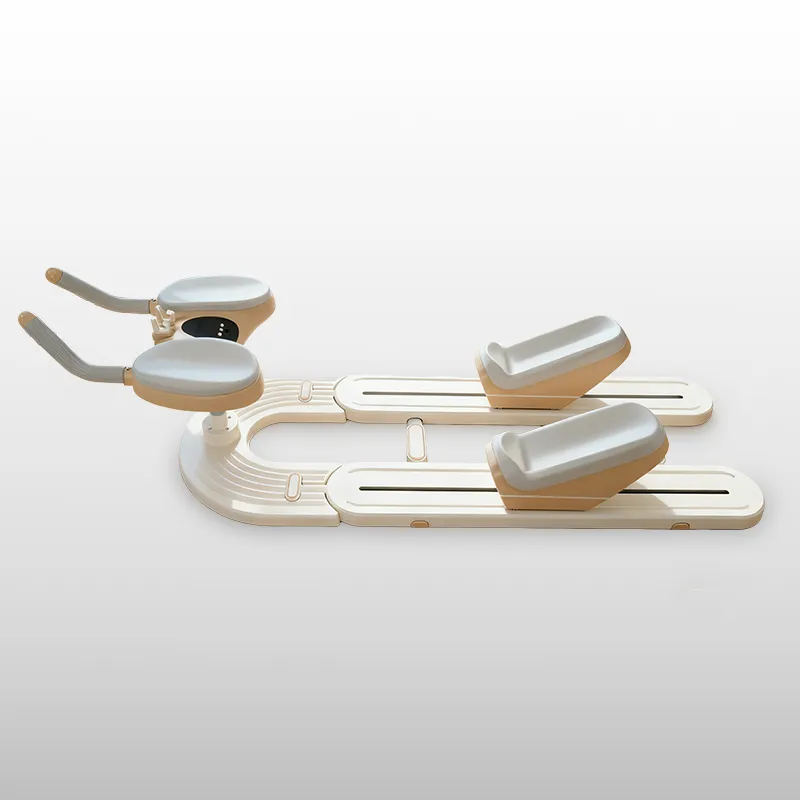
Back pain affects millions of people worldwide, creating barriers to daily activities and diminishing quality of life. While conventional approaches often focus on temporary relief, the Spine Twist & Stretch Trainer offers a revolutionary solution that addresses the root causes of spinal discomfort through targeted rotational movement and controlled stretching. This innovative equipment transforms how we approach back health by providing a systematic method to improve spinal mobility, strengthen core muscles, and restore natural movement patterns that modern sedentary lifestyles have compromised.

The secret to achieving lasting back pain relief lies in understanding that spinal health requires more than static stretching or basic strengthening exercises. The Spine Twist & Stretch Trainer incorporates rotational mechanics that mirror the spine's natural movement capabilities, engaging multiple muscle groups simultaneously while promoting proper spinal alignment. This comprehensive approach distinguishes it from traditional exercise equipment by creating a dynamic environment where the spine can safely explore its full range of motion while building the muscular support necessary for long-term pain prevention.
Understanding the Biomechanics Behind Spinal Pain Relief
The Science of Rotational Spinal Movement
The human spine is designed for complex three-dimensional movement, including flexion, extension, lateral bending, and rotation. However, modern lifestyles often limit these movements to primarily forward flexion, creating imbalances that contribute to pain and dysfunction. The Spine Twist & Stretch Trainer specifically targets rotational movement patterns that are frequently neglected in traditional exercise routines. By incorporating controlled twisting motions, this equipment helps restore the spine's natural mobility while strengthening the deep stabilizing muscles that support proper spinal alignment.
Research demonstrates that rotational exercises activate the multifidus and transverse abdominis muscles more effectively than linear movements alone. These deep core muscles play crucial roles in spinal stability and pain prevention. When using the Spine Twist & Stretch Trainer, practitioners engage these muscles through functional movement patterns that translate directly to improved daily activities and reduced pain incidents.
The controlled resistance provided by the Spine Twist & Stretch Trainer allows users to progressively challenge their spinal mobility while maintaining safety. This gradual progression is essential for individuals recovering from back pain, as it prevents re-injury while promoting healing and strength development. The equipment's design ensures that movements remain within safe ranges of motion while providing sufficient challenge to stimulate positive adaptations.
Core Stabilization and Spinal Support
Effective back pain management requires more than simply stretching tight muscles; it demands the development of coordinated core strength that supports the spine during all activities. The Spine Twist & Stretch Trainer excels in this area by requiring users to maintain postural control while performing rotational movements. This dual challenge of mobility and stability creates an optimal training environment for developing the neuromuscular patterns necessary for pain-free movement.
The equipment's unique design engages not only the obvious core muscles but also the often-overlooked stabilizers throughout the kinetic chain. Hip stabilizers, thoracic spine extensors, and even shoulder girdle muscles contribute to the coordinated effort required during Spine Twist & Stretch Trainer exercises. This comprehensive muscle activation pattern helps address the interconnected nature of spinal health, where weakness or dysfunction in one area can contribute to problems throughout the entire system.
Progressive overload principles apply effectively to Spine Twist & Stretch Trainer workouts, allowing users to gradually increase the challenge as their strength and mobility improve. This systematic progression ensures continued improvement while minimizing the risk of setbacks that can occur when advancing too quickly in rehabilitation or fitness programs.
Targeted Benefits for Different Types of Back Pain
Addressing Lower Back Stiffness and Tension
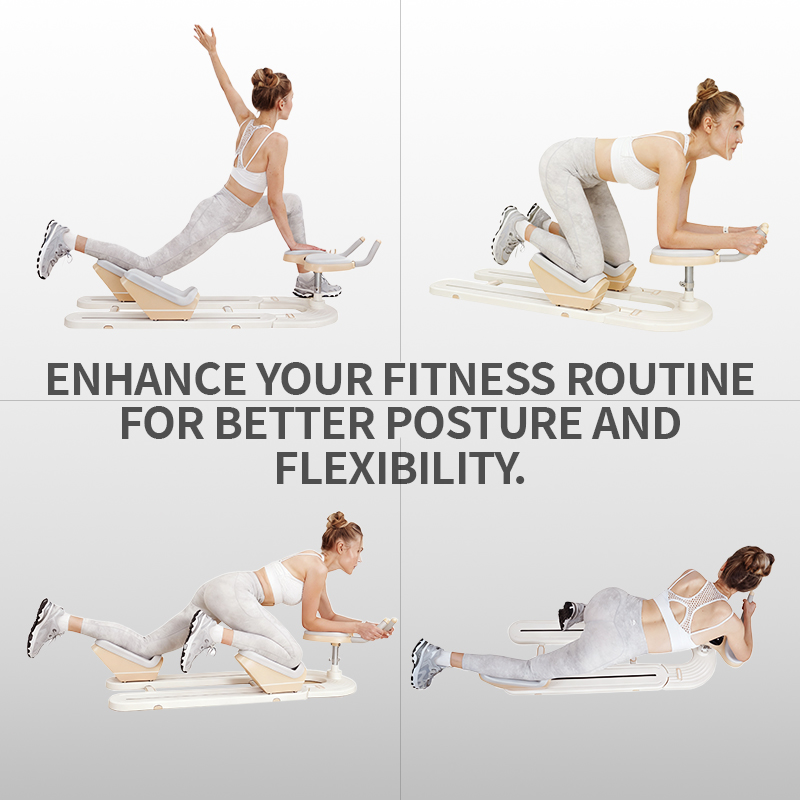
Lower back pain often stems from prolonged sitting, poor posture, or repetitive movement patterns that create muscular imbalances and joint restrictions. The Spine Twist & Stretch Trainer addresses these issues through specific rotational exercises that target the lumbar spine and surrounding musculature. The twisting motions help mobilize facet joints that may have become restricted due to prolonged static positioning, while the controlled stretching component addresses tight hip flexors and erector spinae muscles that commonly contribute to lower back discomfort.
The equipment's ability to provide both passive and active stretching makes it particularly effective for lower back issues. Users can begin with gentle, passive rotational stretches to improve tissue extensibility and joint mobility, then progress to more dynamic movements that build strength and endurance. This progression is crucial for individuals transitioning from acute pain episodes to long-term management and prevention strategies.
Regular use of the Spine Twist & Stretch Trainer helps establish proper movement patterns that can carry over into daily activities. By training the spine to move efficiently through rotational planes, users develop the motor control necessary to perform twisting activities safely, reducing the likelihood of injury during common movements like reaching across the body or getting in and out of vehicles.
Managing Middle and Upper Back Tension
Thoracic spine stiffness is increasingly common in today's technology-driven society, where prolonged computer use and forward head posture create significant tension throughout the middle and upper back regions. The Spine Twist & Stretch Trainer effectively addresses these issues by promoting thoracic rotation and extension, movements that are often severely limited in individuals with desk-based occupations.
The equipment's design allows for targeted thoracic spine mobility work while maintaining lumbar stability, an important distinction that helps prevent compensation patterns. By isolating thoracic movement, users can address specific areas of restriction without placing excessive stress on more vulnerable spinal segments. This segmental approach to spinal mobility is particularly beneficial for individuals with complex pain patterns or previous injuries.
Upper back tension relief through Spine Twist & Stretch Trainer exercises often provides immediate benefits, as the improved circulation and muscle activation help reduce the accumulation of metabolic waste products that contribute to muscle soreness and fatigue. Regular sessions can help prevent the progressive stiffening that occurs when thoracic mobility restrictions go unaddressed over extended periods.
Proper Technique and Safety Considerations
Establishing Correct Form and Positioning
Success with the Spine Twist & Stretch Trainer depends heavily on proper technique and appropriate progression. Users must first establish correct postural alignment before initiating any rotational movements. This includes maintaining a neutral spine position, engaging core muscles for stability, and ensuring that movements originate from the intended spinal segments rather than compensating through other body regions.
Initial sessions should focus on learning the basic movement patterns without resistance, allowing users to develop proper neuromuscular coordination before adding challenge. The Spine Twist & Stretch Trainer's adjustable resistance settings make this progression possible, enabling individuals to start with minimal load and gradually increase as their technique and strength improve.
Breathing coordination plays a crucial role in maximizing the benefits of Spine Twist & Stretch Trainer exercises. Proper breathing patterns help facilitate relaxation during stretching phases while providing stability during strengthening movements. Users should be instructed on appropriate breathing techniques to enhance both the safety and effectiveness of their training sessions.
Avoiding Common Mistakes and Contraindications
While the Spine Twist & Stretch Trainer offers significant benefits for most individuals with back pain, certain precautions must be observed to ensure safe and effective use. Individuals with acute injuries, inflammatory conditions, or specific spinal pathologies should consult healthcare providers before beginning any rotational exercise program. The equipment should not be used during acute pain episodes when inflammation may be present.
Common technique errors include moving too quickly through ranges of motion, using excessive force during stretching phases, and failing to maintain core stability during rotational movements. These mistakes can potentially exacerbate existing problems or create new issues. Proper instruction and gradual progression help minimize these risks while maximizing therapeutic benefits.
The Spine Twist & Stretch Trainer should be integrated into a comprehensive approach to back health that includes other forms of exercise, ergonomic modifications, and lifestyle changes. While the equipment provides excellent targeted benefits, it works best as part of a broader strategy for addressing the multiple factors that contribute to spinal health and pain prevention.
Long-term Benefits and Lifestyle Integration
Building Sustainable Movement Habits
The true value of the Spine Twist & Stretch Trainer lies not just in immediate pain relief but in its ability to help users develop long-term movement habits that support ongoing spinal health. Regular use of the equipment helps establish neuromuscular patterns that improve spinal stability and mobility in daily activities. These improvements often translate to better posture, reduced fatigue, and decreased susceptibility to future back pain episodes.
Consistency is key to achieving lasting benefits from Spine Twist & Stretch Trainer sessions. Short, frequent sessions are generally more effective than longer, infrequent workouts for maintaining spinal mobility and strength. The equipment's convenience and ease of use make it practical for regular home use, removing common barriers to consistent exercise participation.
Progressive goal setting helps maintain motivation and ensures continued improvement over time. Users can track improvements in range of motion, strength, and pain levels to document their progress and adjust their training programs accordingly. The Spine Twist & Stretch Trainer's versatility allows for program modifications that prevent plateaus and maintain engagement throughout long-term use.
Preventing Future Back Pain Episodes
Prevention represents the ultimate goal of any back pain management strategy, and the Spine Twist & Stretch Trainer excels in this area by addressing the underlying movement dysfunctions that contribute to spinal problems. By maintaining spinal mobility, strengthening supporting musculature, and improving movement coordination, regular use of the equipment helps create a more resilient musculoskeletal system that can better handle the stresses of daily life.
The equipment's focus on rotational movement patterns is particularly valuable for prevention, as these movements are often neglected in traditional exercise programs despite being essential for functional activities. By maintaining rotational mobility and strength, users are better prepared to handle unexpected movements or awkward positions that might otherwise result in injury.
Educational benefits accompany the physical improvements achieved through Spine Twist & Stretch Trainer use. Users develop a better understanding of their spine's movement capabilities and limitations, leading to more informed decisions about activity participation and movement strategies. This enhanced body awareness represents a crucial component of long-term back pain prevention and overall spinal health maintenance.
FAQ
How often should I use the Spine Twist & Stretch Trainer for optimal results?
For best results, use the Spine Twist & Stretch Trainer 3-4 times per week, with sessions lasting 15-20 minutes each. Beginners should start with shorter sessions every other day to allow for adaptation, while more experienced users can increase frequency as tolerated. Consistency is more important than duration, so regular shorter sessions are preferable to infrequent longer workouts.
Can the Spine Twist & Stretch Trainer help with chronic back pain conditions?
The Spine Twist & Stretch Trainer can be beneficial for many chronic back pain conditions by improving spinal mobility, strengthening core muscles, and enhancing movement patterns. However, individuals with chronic conditions should consult with healthcare providers before beginning use to ensure the equipment is appropriate for their specific situation and to develop a safe, effective exercise program tailored to their needs.
What makes the Spine Twist & Stretch Trainer different from other back exercise equipment?
The Spine Twist & Stretch Trainer uniquely combines rotational movement training with controlled stretching in a single piece of equipment. Unlike traditional back exercise tools that focus primarily on linear movements, this trainer addresses the spine's natural three-dimensional movement capabilities, particularly rotation, which is often neglected but essential for functional activities and comprehensive spinal health.
Are there any age restrictions for using the Spine Twist & Stretch Trainer?
The Spine Twist & Stretch Trainer can be safely used by adults of various ages when proper technique is followed and appropriate progressions are observed. Older adults may particularly benefit from the gentle mobility work, while younger users can utilize more dynamic strengthening protocols. Individual fitness levels and existing health conditions should be considered more than chronological age when determining suitability for use.
Table of Contents
- Understanding the Biomechanics Behind Spinal Pain Relief
- Targeted Benefits for Different Types of Back Pain
- Proper Technique and Safety Considerations
- Long-term Benefits and Lifestyle Integration
-
FAQ
- How often should I use the Spine Twist & Stretch Trainer for optimal results?
- Can the Spine Twist & Stretch Trainer help with chronic back pain conditions?
- What makes the Spine Twist & Stretch Trainer different from other back exercise equipment?
- Are there any age restrictions for using the Spine Twist & Stretch Trainer?