 EN
EN

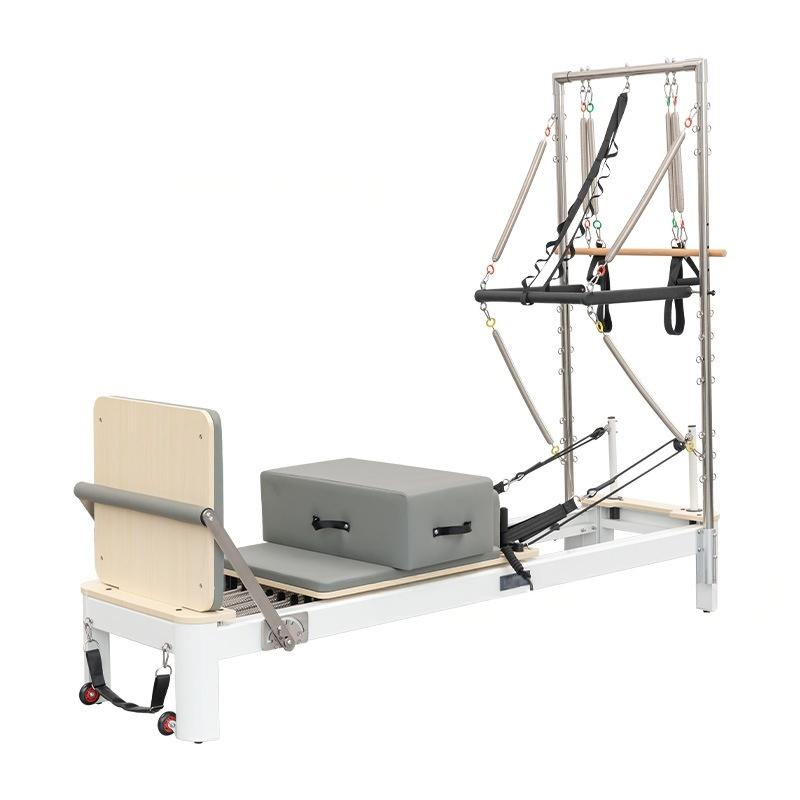
The pursuit of enhanced flexibility and core strength has led fitness enthusiasts and professionals to explore innovative Pilates equipment that delivers comprehensive workout solutions. Among the most effective pieces of apparatus available today, the reformer with tower stands out as a versatile system that combines traditional reformer functionality with the vertical challenge of tower exercises. This dynamic combination creates an environment where practitioners can experience full-body conditioning while targeting specific muscle groups with precision and control.
Professional studios and home practitioners alike have discovered that integrating tower-based exercises with reformer movements creates unique training opportunities that traditional equipment cannot match. The reformer with tower configuration allows for seamless transitions between horizontal and vertical plane exercises, enabling users to challenge their bodies from multiple angles and positions. This multidimensional approach to movement education promotes better body awareness, improved coordination, and enhanced functional strength that translates directly into daily activities and athletic performance.
Understanding the Biomechanics of Tower-Enhanced Reformer Training
Vertical Plane Movement Patterns
The tower component introduces vertical resistance training that fundamentally changes how the body engages with gravity and spring tension. When performing exercises in the vertical plane, practitioners must recruit stabilizing muscles throughout the core and peripheral muscle groups to maintain proper alignment and control. This engagement pattern differs significantly from horizontal reformer work, as the gravitational pull creates additional challenges for postural muscles and deep core stabilizers.
Tower exercises emphasize eccentric muscle contractions, which occur when muscles lengthen under tension. These controlled lengthening movements are particularly effective for developing strength through full ranges of motion while simultaneously improving flexibility. The spring resistance system allows for variable tension throughout the movement arc, providing accommodating resistance that matches the natural strength curves of human muscle function.
Integration of Horizontal and Vertical Forces
The unique advantage of a reformer with tower system lies in its ability to combine horizontal carriage movement with vertical tower resistance. This integration creates three-dimensional movement possibilities that challenge the body's ability to coordinate multiple muscle groups simultaneously. Practitioners develop improved proprioception and neuromuscular control as they learn to manage forces acting on their bodies from different directions.
Advanced exercises can incorporate both reformer carriage movement and tower spring resistance within single movement sequences. These complex movement patterns require sophisticated motor control and enhance the brain-body connection that is fundamental to Pilates practice. The nervous system adapts to these multi-planar challenges by developing more efficient movement strategies and improved coordination patterns.
Core Strengthening Through Progressive Tower Exercises
Deep Stabilizer Activation
Tower exercises excel at activating deep core stabilizers, including the transverse abdominis, multifidus, and pelvic floor muscles. The vertical orientation of tower work requires continuous core engagement to maintain proper spinal alignment against gravitational forces and spring resistance. This constant activation pattern helps develop the endurance and strength of deep stabilizing muscles that are essential for spinal health and functional movement.
Progressive loading through spring resistance allows practitioners to gradually increase the challenge to core stabilizers while maintaining proper form and alignment. The adjustable nature of spring tension means that exercises can be modified to match individual strength levels and progress systematically over time. This progressive overload principle is crucial for developing meaningful strength gains while avoiding injury or compensation patterns.
Dynamic Stability Training
The tower configuration enables dynamic stability training that challenges core muscles to respond to changing loads and positions. Exercises that combine arm and leg movements while maintaining core stability teach the body to transfer forces efficiently through the kinetic chain. This type of training is particularly valuable for athletes and individuals seeking to improve their performance in dynamic activities.
Moving beyond static core exercises, tower work emphasizes functional stability that translates directly to real-world movement demands. The ability to maintain core control while the extremities move in various patterns develops the type of strength and coordination needed for activities of daily living, sports performance, and injury prevention.
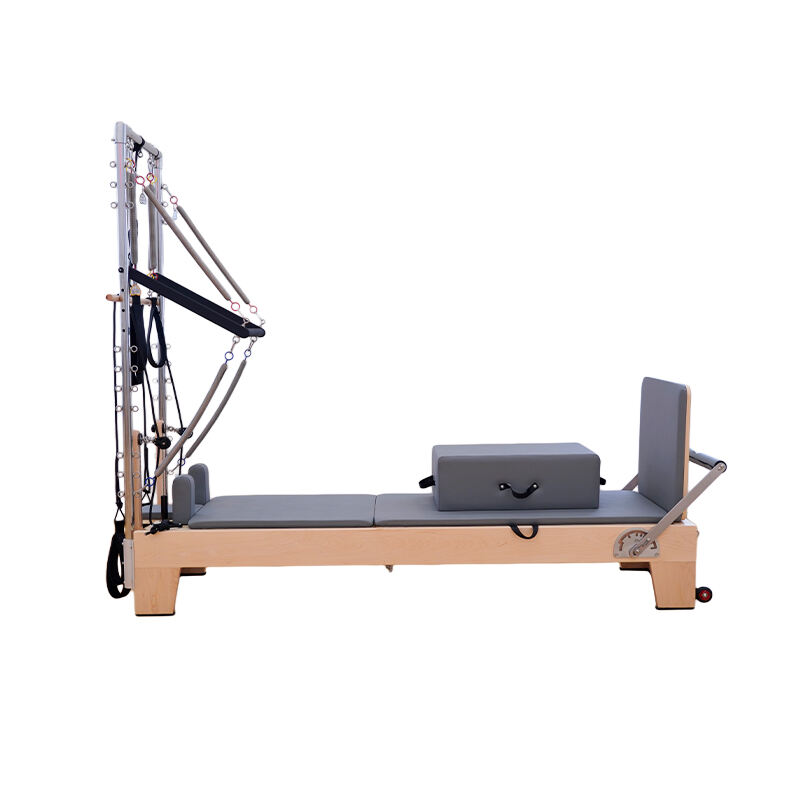
Flexibility Enhancement Through Assisted Stretching Mechanisms
Spring-Assisted Range of Motion
The spring system in tower exercises provides unique assisted stretching opportunities that can help practitioners achieve greater ranges of motion safely and effectively. Springs can be adjusted to provide gentle assistance during stretching movements, allowing individuals to explore deeper ranges than might be possible with passive stretching alone. This assisted stretching mechanism is particularly beneficial for individuals with limited flexibility or those recovering from injury.
The variable resistance of springs means that assistance is greatest at the beginning of the range of motion when muscles are typically tightest, and decreases as the stretch progresses. This accommodating assistance matches the natural resistance curves of stretching tissues and can help facilitate more effective flexibility gains over time. Regular practice with spring-assisted stretching can lead to permanent improvements in joint mobility and muscle extensibility.
Active Flexibility Development
Tower exercises promote active flexibility, which involves developing strength throughout available ranges of motion rather than simply increasing passive flexibility. This approach to flexibility training is more functional and sustainable than passive stretching alone, as it teaches muscles to control movement through extended ranges. Active flexibility is particularly important for preventing injury and improving movement quality in dynamic activities.
The controlled resistance provided by tower springs allows practitioners to work on strength and flexibility simultaneously, creating more balanced and functional improvements in mobility. This integrated approach helps ensure that increased range of motion is supported by adequate strength and control, reducing the risk of injury when new ranges are utilized in daily activities or exercise.
Progressive Training Protocols for Optimal Results
Beginner Integration Strategies
Individuals new to reformer with tower training should begin with foundational exercises that establish proper movement patterns and body awareness. Initial sessions focus on understanding spring resistance, learning proper alignment cues, and developing basic coordination between reformer and tower exercises. This systematic approach ensures that practitioners build the necessary skills and strength before progressing to more challenging movements.
Beginner protocols typically emphasize longer holds and slower movements to allow for adequate muscle recruitment and motor learning. The focus remains on quality of movement rather than intensity or complexity, establishing the foundation upon which more advanced training can be built. Proper progression from basic to intermediate exercises prevents injury and ensures sustainable long-term results.
Advanced Movement Integration
Advanced practitioners can explore complex movement sequences that fully utilize the three-dimensional capabilities of tower-enhanced reformer systems. These sophisticated exercises challenge multiple body systems simultaneously and require high levels of coordination, strength, and flexibility. Advanced protocols often incorporate flowing transitions between exercises, creating continuous movement sequences that test endurance and movement quality.
Progressive overload in advanced training can be achieved through increased spring resistance, more complex movement patterns, reduced base of support, or combinations of these factors. The key to successful progression lies in maintaining movement quality while gradually increasing challenge levels. This approach ensures continued adaptation and improvement while minimizing injury risk.
Equipment Considerations and Setup Optimization
Space Requirements and Configuration
Proper setup and configuration of reformer with tower equipment is crucial for safe and effective training. Adequate ceiling height is essential to accommodate the full range of tower exercises, with minimum recommendations typically requiring at least eight feet of clearance. The footprint of combined reformer and tower systems also requires sufficient floor space to allow for safe movement around the equipment during exercises.
Spring attachment points must be properly positioned to ensure optimal resistance angles and smooth operation throughout exercise ranges of motion. Regular maintenance of springs, pulleys, and attachment hardware is essential for safety and performance. Practitioners should familiarize themselves with proper spring selection and adjustment procedures to maximize the effectiveness of their training sessions.
Quality and Durability Factors
Investment in high-quality reformer with tower equipment pays dividends in terms of safety, performance, and longevity. Premium materials and construction methods ensure that equipment can withstand the demands of regular use while maintaining precise operation and safety standards. Quality equipment typically features smoother carriage operation, more consistent spring resistance, and better overall user experience.
Durability considerations include frame construction materials, spring quality, and hardware specifications. Professional-grade equipment often incorporates features such as stainless steel springs, precision bearings, and reinforced connection points that contribute to long-term reliability and performance. These quality factors become increasingly important for individuals who plan to use their equipment regularly or in professional settings.
FAQ
What are the primary differences between using a reformer alone versus a reformer with tower?
A reformer alone primarily provides horizontal resistance training through carriage movement, while adding a tower component introduces vertical plane exercises and three-dimensional movement possibilities. The tower allows for standing exercises, assisted stretching, and movements that challenge the body against gravity in ways that horizontal reformer work cannot match. This combination significantly expands exercise variety and training possibilities, making the system more versatile for comprehensive fitness development.
How often should someone train on a reformer with tower to see meaningful results?
For optimal results in flexibility and core strength development, most practitioners benefit from 2-3 sessions per week on a reformer with tower. This frequency allows adequate recovery time between sessions while providing sufficient stimulus for adaptation and improvement. Beginners may start with 1-2 sessions weekly and gradually increase frequency as their fitness level and movement skills improve. Consistency is more important than frequency, so regular practice over time will yield better results than sporadic intensive sessions.
Can individuals with back problems safely use reformer with tower equipment?
Many individuals with back problems can benefit from reformer with tower training when properly supervised and progressed appropriately. The equipment allows for precise control of resistance and range of motion, making it possible to work within comfortable limits while gradually building strength and flexibility. However, anyone with significant back problems should consult with healthcare providers and work with qualified instructors who can modify exercises appropriately and ensure proper form throughout all movements.
What should someone look for when purchasing a reformer with tower for home use?
Key considerations for home purchase include available space, ceiling height requirements, build quality, spring resistance options, and ease of storage or folding capabilities. Look for equipment with smooth carriage operation, high-quality springs that maintain consistent tension, and sturdy construction that can support your body weight safely. Consider whether you need a full tower or would be satisfied with tower-style attachments, as this can affect both cost and space requirements significantly.
Table of Contents
- Understanding the Biomechanics of Tower-Enhanced Reformer Training
- Core Strengthening Through Progressive Tower Exercises
- Flexibility Enhancement Through Assisted Stretching Mechanisms
- Progressive Training Protocols for Optimal Results
- Equipment Considerations and Setup Optimization
-
FAQ
- What are the primary differences between using a reformer alone versus a reformer with tower?
- How often should someone train on a reformer with tower to see meaningful results?
- Can individuals with back problems safely use reformer with tower equipment?
- What should someone look for when purchasing a reformer with tower for home use?