 EN
EN

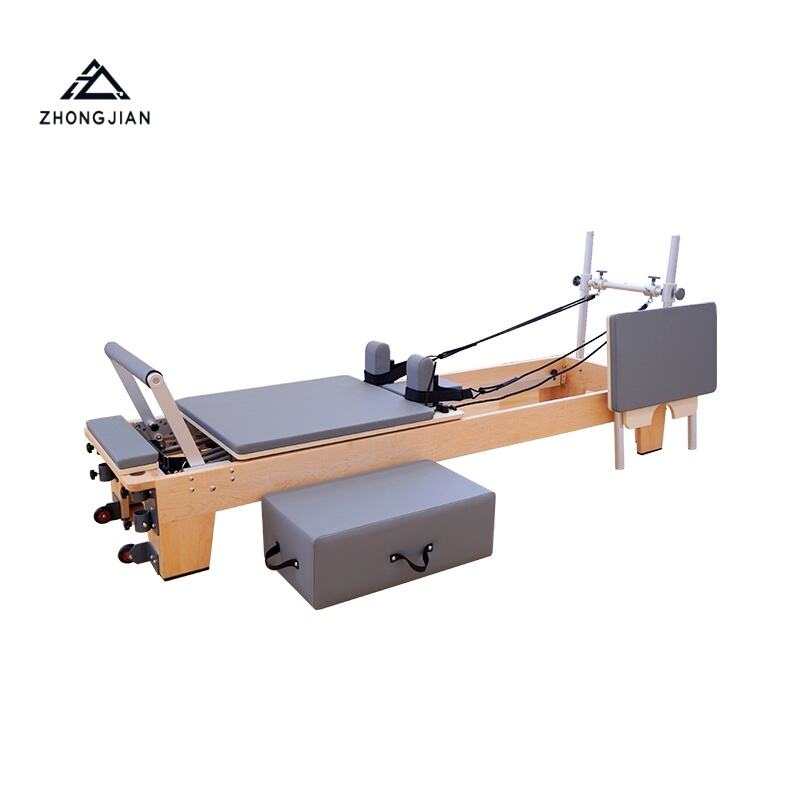
Rehabilitation centers worldwide are increasingly incorporating advanced fitness equipment to enhance patient outcomes and accelerate recovery processes. Among the most transformative additions to modern rehabilitation facilities are high-precision pilates machines, which offer controlled, low-impact exercise solutions that support therapeutic goals while minimizing injury risk. These sophisticated devices have revolutionized how physical therapists approach movement rehabilitation, providing precise resistance adjustments and biomechanically sound positioning that traditional equipment simply cannot match.
Advanced Engineering for Therapeutic Applications
Precision Control Systems
The engineering excellence behind high-precision pilates machines lies in their sophisticated control mechanisms that allow for micro-adjustments in resistance and positioning. These systems utilize advanced spring assemblies, pulley configurations, and carriage designs that provide consistent tension throughout the full range of motion. Physical therapists can fine-tune resistance levels to match each patient's specific strength capabilities and rehabilitation requirements, ensuring progressive overload without overwhelming recovering tissues.
Modern high-precision pilates machines incorporate digital monitoring systems that track movement patterns, resistance levels, and exercise duration. This data collection capability enables rehabilitation professionals to maintain detailed progress records and make evidence-based adjustments to treatment protocols. The precision of these machines allows for reproducible exercises that can be accurately measured and compared across multiple sessions, providing objective metrics for recovery assessment.
Biomechanical Optimization
The biomechanical design of these machines prioritizes proper joint alignment and muscle activation patterns that are crucial for rehabilitation success. Each component is engineered to support natural movement patterns while providing corrective feedback for improper positioning. The stable platform design ensures that patients can focus on movement quality rather than balance concerns, which is particularly important during early-stage recovery when proprioception may be compromised.
Advanced pilates reformers feature adjustable footbars, shoulder blocks, and headrests that accommodate patients of various heights and mobility limitations. These customization options ensure that each individual can maintain proper spinal alignment and joint positioning throughout their exercises, reducing the risk of compensatory movement patterns that could hinder recovery or cause secondary injuries.
Clinical Applications in Rehabilitation Settings
Post-Surgical Recovery Programs
High-precision pilates machines excel in post-surgical rehabilitation scenarios where controlled movement is essential for tissue healing and strength restoration. The adjustable resistance allows patients to begin movement very early in their recovery process, starting with minimal load and gradually progressing as healing permits. This early mobilization approach has been shown to improve circulation, reduce scar tissue formation, and maintain muscle mass during the recovery period.
Orthopedic patients recovering from joint replacement surgeries particularly benefit from the precise range-of-motion control that these machines provide. Physical therapists can set specific movement parameters that respect surgical precautions while still challenging the patient appropriately. The smooth, controlled movement patterns help patients regain confidence in their mobility while protecting healing tissues from excessive stress or inappropriate loading patterns.
Neurological Rehabilitation Applications
Patients with neurological conditions such as stroke, spinal cord injuries, or multiple sclerosis require specialized exercise approaches that can accommodate varying levels of motor control and coordination. High-precision pilates machines provide the stability and support necessary for these patients to engage in meaningful movement experiences while working on motor relearning and strength development.
The closed-chain exercise environment created by pilates reformers helps neurological patients develop better proprioceptive awareness and motor planning skills. The consistent feedback provided by the spring resistance system assists in motor learning by providing clear sensory input about movement quality and effort requirements. This feedback mechanism is particularly valuable for patients who may have sensory deficits or altered movement patterns due to their neurological condition.
Equipment Features Supporting Clinical Excellence
Safety and Accessibility Design
Modern rehabilitation-grade pilates machines incorporate numerous safety features designed specifically for clinical environments. Emergency stop mechanisms, secure locking systems, and non-slip surfaces ensure patient safety during exercises. The low platform height and stable base design facilitate easy transfers for patients with mobility limitations, while removable components allow for wheelchair accessibility when necessary.
The construction materials used in high-precision pilates machines are selected for durability and hygiene considerations essential in healthcare settings. Antimicrobial surfaces, easy-to-clean components, and corrosion-resistant hardware ensure that equipment can withstand frequent sanitization protocols while maintaining optimal performance. These features are particularly important in rehabilitation centers where infection control is paramount.
Versatility and Adaptability
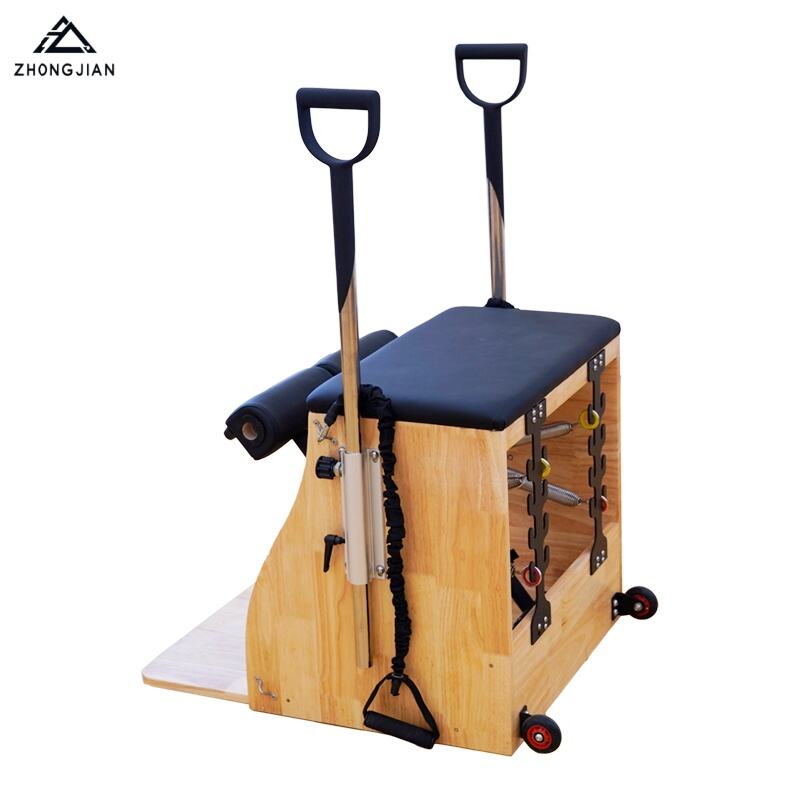
The modular design of advanced pilates reformers allows rehabilitation professionals to configure equipment for a wide variety of therapeutic exercises. Interchangeable accessories, adjustable resistance levels, and multiple exercise positions enable therapists to address diverse patient needs within a single treatment session. This versatility maximizes equipment utilization while providing comprehensive rehabilitation solutions.
High-precision pilates machines can accommodate exercises targeting all major muscle groups and movement patterns, from basic strengthening and stretching to complex functional movement training. The ability to perform exercises in supine, prone, side-lying, and upright positions ensures that patients can continue their rehabilitation regardless of mobility restrictions or positioning requirements related to their specific condition.
Clinical Outcomes and Evidence-Based Benefits
Measurable Progress Tracking
The precision capabilities of modern pilates equipment enable rehabilitation centers to implement objective measurement protocols that track patient progress with unprecedented accuracy. Digital load cells and position sensors provide quantifiable data about force production, range of motion, and movement quality that can be compared across treatment sessions. This data-driven approach allows therapists to make informed decisions about progression timing and exercise modification.
Research studies have consistently demonstrated improved outcomes when high-precision pilates machines are incorporated into rehabilitation protocols. Patients show faster strength gains, improved functional mobility, and reduced pain levels compared to traditional exercise approaches. The controlled nature of pilates exercises also results in fewer treatment-related injuries and complications, leading to more consistent attendance and better overall program compliance.
Cost-Effectiveness and Resource Optimization
While high-precision pilates machines represent a significant initial investment, their versatility and durability make them highly cost-effective for rehabilitation centers. A single reformer can replace multiple pieces of traditional rehabilitation equipment while providing superior therapeutic capabilities. The longevity of well-constructed pilates machines, often exceeding 15-20 years with proper maintenance, ensures excellent return on investment.
The space efficiency of pilates reformers is particularly valuable in rehabilitation facilities where square footage is at a premium. These machines can accommodate multiple exercise positions and therapeutic activities within a compact footprint, maximizing the utility of available treatment space. Additionally, the ability to treat multiple patients simultaneously in group settings further enhances the economic benefits for rehabilitation centers.
Implementation Strategies for Rehabilitation Centers
Staff Training and Certification
Successful integration of high-precision pilates machines into rehabilitation programs requires comprehensive staff training that covers both equipment operation and therapeutic application principles. Physical therapists and rehabilitation specialists must understand the biomechanical principles underlying pilates exercises and how to modify traditional protocols for clinical populations. Many equipment manufacturers provide specialized training programs that combine technical instruction with clinical reasoning skills.
Ongoing education and certification maintenance ensure that rehabilitation staff remain current with evolving techniques and safety protocols. Regular training updates also help staff maximize the therapeutic potential of their equipment while maintaining the highest standards of patient care. Investment in staff development is essential for realizing the full benefits of high-precision pilates machines in clinical settings.
Patient Selection and Program Development
Effective utilization of high-precision pilates machines requires careful patient assessment and appropriate program design. Not all rehabilitation patients are suitable candidates for pilates-based interventions, and proper screening helps identify individuals who will benefit most from this approach. Factors such as cognitive status, pain levels, and specific functional goals should guide the decision to incorporate pilates exercises into individual treatment plans.
Successful pilates programs in rehabilitation settings typically begin with basic orientation sessions that familiarize patients with equipment operation and fundamental movement principles. Progressive protocols that gradually increase complexity and challenge help ensure patient safety while building confidence and competence. Regular reassessment and program modification based on patient response optimize outcomes and prevent plateaus in progress.
FAQ
What makes pilates machines suitable for rehabilitation compared to traditional gym equipment
High-precision pilates machines offer superior control over resistance and movement patterns compared to traditional gym equipment. The spring-based resistance system provides constant tension throughout the full range of motion, which is gentler on joints and more suitable for patients with injuries or movement limitations. The stable platform design also provides better support for patients who may have balance or coordination issues, making exercises safer and more effective for rehabilitation purposes.
How do rehabilitation centers determine the right pilates machine specifications for their needs
Rehabilitation centers should consider factors such as patient population characteristics, available space, staff expertise, and budget when selecting pilates equipment. The weight capacity, adjustability range, and accessory options should match the specific needs of the patient populations served. Consulting with equipment specialists and visiting other facilities using similar equipment can help inform the decision-making process and ensure optimal equipment selection.
What training requirements exist for physical therapists using pilates equipment in clinical settings
Physical therapists typically need specialized training in pilates principles and equipment operation before using these machines in clinical practice. Many states require additional certification or continuing education credits for therapists incorporating pilates into their treatment protocols. Training programs usually combine theoretical knowledge of pilates principles with hands-on equipment operation and clinical application techniques specific to rehabilitation populations.
How do insurance and reimbursement considerations affect pilates-based rehabilitation programs
Insurance coverage for pilates-based rehabilitation varies depending on the specific diagnosis, treatment goals, and insurance provider policies. When pilates exercises are prescribed as part of a comprehensive physical therapy treatment plan and performed under the supervision of licensed therapists, they are often covered under standard rehabilitation benefits. Documentation of medical necessity and functional outcomes helps ensure appropriate reimbursement for these therapeutic interventions.
Table of Contents
- Advanced Engineering for Therapeutic Applications
- Clinical Applications in Rehabilitation Settings
- Equipment Features Supporting Clinical Excellence
- Clinical Outcomes and Evidence-Based Benefits
- Implementation Strategies for Rehabilitation Centers
-
FAQ
- What makes pilates machines suitable for rehabilitation compared to traditional gym equipment
- How do rehabilitation centers determine the right pilates machine specifications for their needs
- What training requirements exist for physical therapists using pilates equipment in clinical settings
- How do insurance and reimbursement considerations affect pilates-based rehabilitation programs