 EN
EN

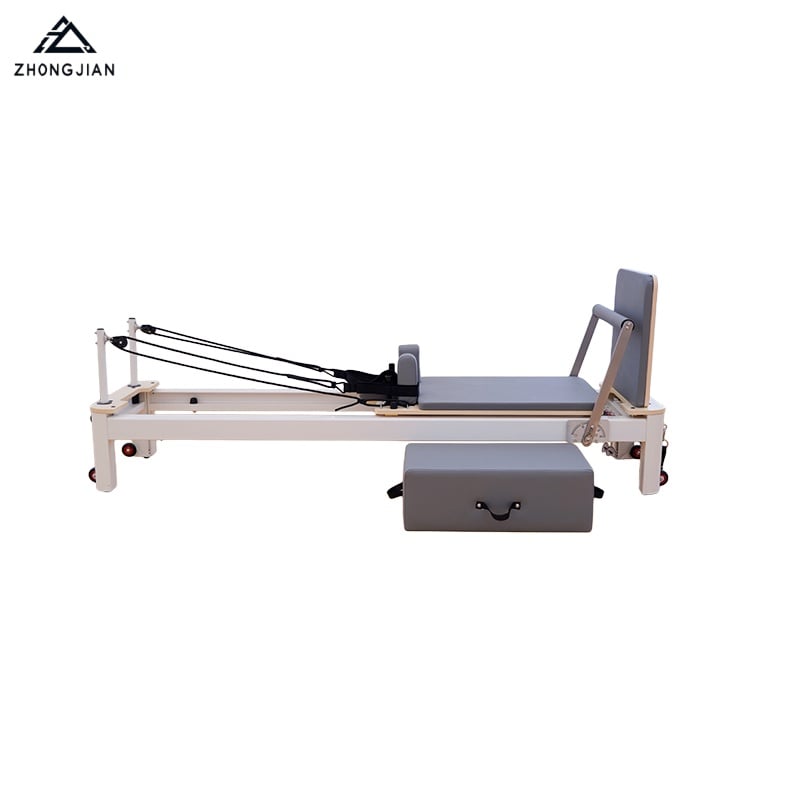
A spine corrector is a purpose-built rehabilitation tool designed to support the natural curvature of the spine while guiding the body through controlled movement. For patients recovering from spinal injuries, postural dysfunction, or musculoskeletal conditions, a spine corrector offers a structured and safe way to rebuild strength, restore alignment, and regain functional mobility. Understanding the specific ways a spine corrector contributes to recovery helps therapists, clinicians, and patients make more informed decisions about integrating it into a rehabilitation program.
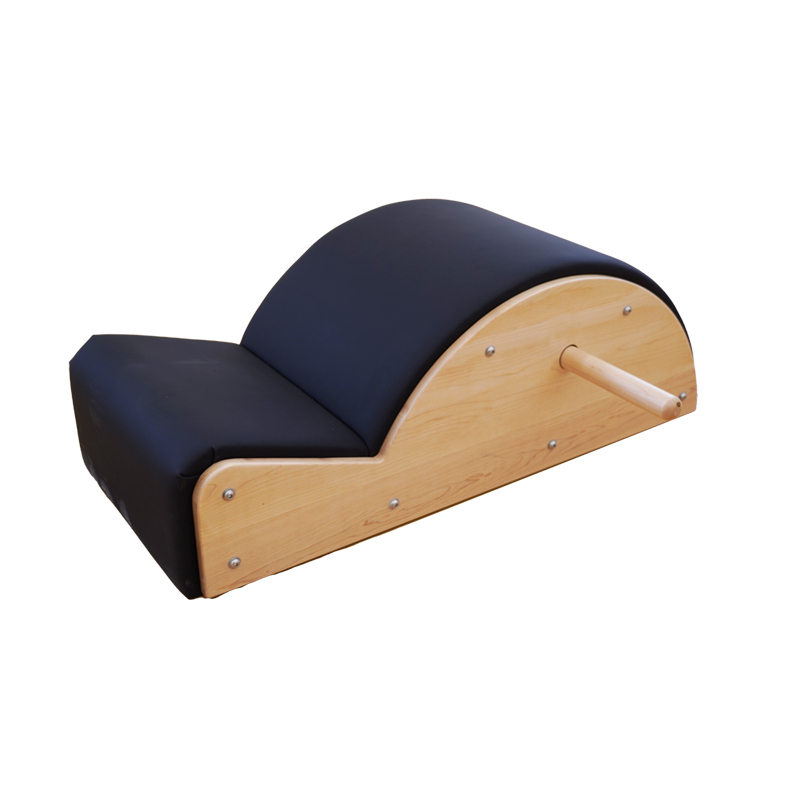
Rehabilitation patients often face compounding challenges: limited range of motion, weakened core musculature, and habitual postural imbalances that develop during periods of inactivity or pain avoidance. The spine corrector directly addresses these challenges by providing a contoured surface that supports spinal extension, lateral flexion, and rotational movement within a safe range. When used consistently under professional guidance, a spine corrector becomes one of the most versatile instruments in a rehabilitation setting, suitable for early-stage recovery as well as advanced functional retraining.
Postural Realignment Through Spine Corrector Use
Restoring the Natural Spinal Curve
One of the primary rehabilitation benefits of a spine corrector is its ability to encourage the spine to return to its natural curvature. Prolonged bed rest, sedentary lifestyles, or injury-related compensation patterns frequently cause the spine to flatten or develop exaggerated curves. The arched barrel shape of the spine corrector gently cradles the thoracic and lumbar regions, encouraging passive extension that counteracts these distortions. Over time, repeated use of the spine corrector helps the surrounding soft tissues adapt to a more balanced and functional spinal position.
Addressing Thoracic Kyphosis in Rehabilitation
Thoracic kyphosis, characterized by excessive rounding of the upper back, is a common postural issue among rehabilitation patients, particularly those recovering from fractures, prolonged hospitalization, or chronic pain conditions. The spine corrector provides a reliable mechanical aid for opening the chest and extending the thoracic spine. By draping the back over the spine corrector, patients engage in passive and active stretches that reduce thoracic stiffness and improve upright posture. Therapists frequently incorporate spine corrector sessions into programs targeting kyphosis correction because the tool allows graded progression without placing undue stress on compromised structures.
Core Strengthening and Spinal Stability with a Spine Corrector
Activating Deep Stabilizing Muscles
Rehabilitation after spinal injury or surgery commonly requires rebuilding the deep stabilizing muscles that support vertebral alignment. The spine corrector challenges these muscles by creating an unstable, curved base that demands continuous postural adjustment. Exercises performed on a spine corrector, such as bridging variations, spinal articulation drills, and controlled extension work, activate the multifidus, transverse abdominis, and erector spinae groups in ways that flat-surface exercises often cannot replicate. This neuromuscular activation is essential for patients who need to relearn how to stabilize the spine during daily activities.
Progressive Loading Within a Safe Range of Motion
A significant advantage of using a spine corrector in rehabilitation is the ability to apply progressive resistance and loading without compromising patient safety. Because the spine corrector supports the body throughout the movement arc, therapists can introduce resistance bands, light weights, or increased lever lengths as the patient grows stronger. This gradual progression is central to evidence-based rehabilitation principles, and the spine corrector accommodates it exceptionally well. Patients experience meaningful challenge at each stage of recovery without the risk of uncontrolled movement that could cause re-injury.
Mobility Restoration and Pain Reduction via the Spine Corrector
Improving Segmental Spinal Mobility
Segmental spinal mobility — the ability of individual vertebral segments to move independently — is often severely restricted in rehabilitation patients. The spine corrector facilitates targeted mobilization of specific spinal regions by allowing the therapist or patient to position the body so that the apex of the curve aligns with the restricted segment. This precise positioning makes the spine corrector far more effective for segmental work than foam rollers or flat mats. Regular spine corrector sessions help break up adhesions in the surrounding fascia, reduce joint stiffness, and restore the fluid, multi-segmental movement that healthy spinal function requires.
Supporting Pain Management Through Controlled Movement
Chronic spinal pain creates a fear-avoidance cycle in which patients limit movement to prevent discomfort, which in turn worsens stiffness and muscle atrophy. The spine corrector helps interrupt this cycle by offering a supported, low-threat environment for movement. Patients learn that controlled extension and articulation over the spine corrector can actually relieve rather than intensify pain. This reassurance is therapeutically valuable and helps rebuild patient confidence in their body's ability to move safely. Pain management professionals increasingly recognize the spine corrector as a bridge between passive treatment and active rehabilitation exercise.
FAQ
Who is best suited to use a spine corrector during rehabilitation?
A spine corrector is well suited to rehabilitation patients dealing with postural imbalances, thoracic kyphosis, post-surgical spinal recovery, chronic lower back pain, and core weakness. It is commonly used in Pilates-based rehabilitation, physiotherapy clinics, and orthopedic recovery programs. Patients should always begin spine corrector use under professional supervision to ensure proper positioning and exercise selection tailored to their specific condition.
How often should rehabilitation patients use a spine corrector?
The frequency of spine corrector use depends on the patient's diagnosis, pain levels, and overall rehabilitation plan. Many therapists recommend incorporating the spine corrector two to three times per week during active rehabilitation phases, allowing adequate recovery time between sessions. As strength and mobility improve, the spine corrector may be used more frequently or integrated into home exercise programs to maintain the gains achieved in clinical settings.
Is a spine corrector safe for patients with osteoporosis or disc conditions?
Patients with osteoporosis, herniated discs, or other structural spinal conditions can often use a spine corrector safely, but modifications and clinical clearance are essential. The spine corrector must be positioned carefully to avoid placing load on compromised vertebrae or discs. A qualified therapist can adapt spine corrector exercises to accommodate these conditions, reducing extension depth and controlling loading to keep the patient safe. Self-guided use without professional oversight is not recommended for patients with significant structural diagnoses.