 EN
EN

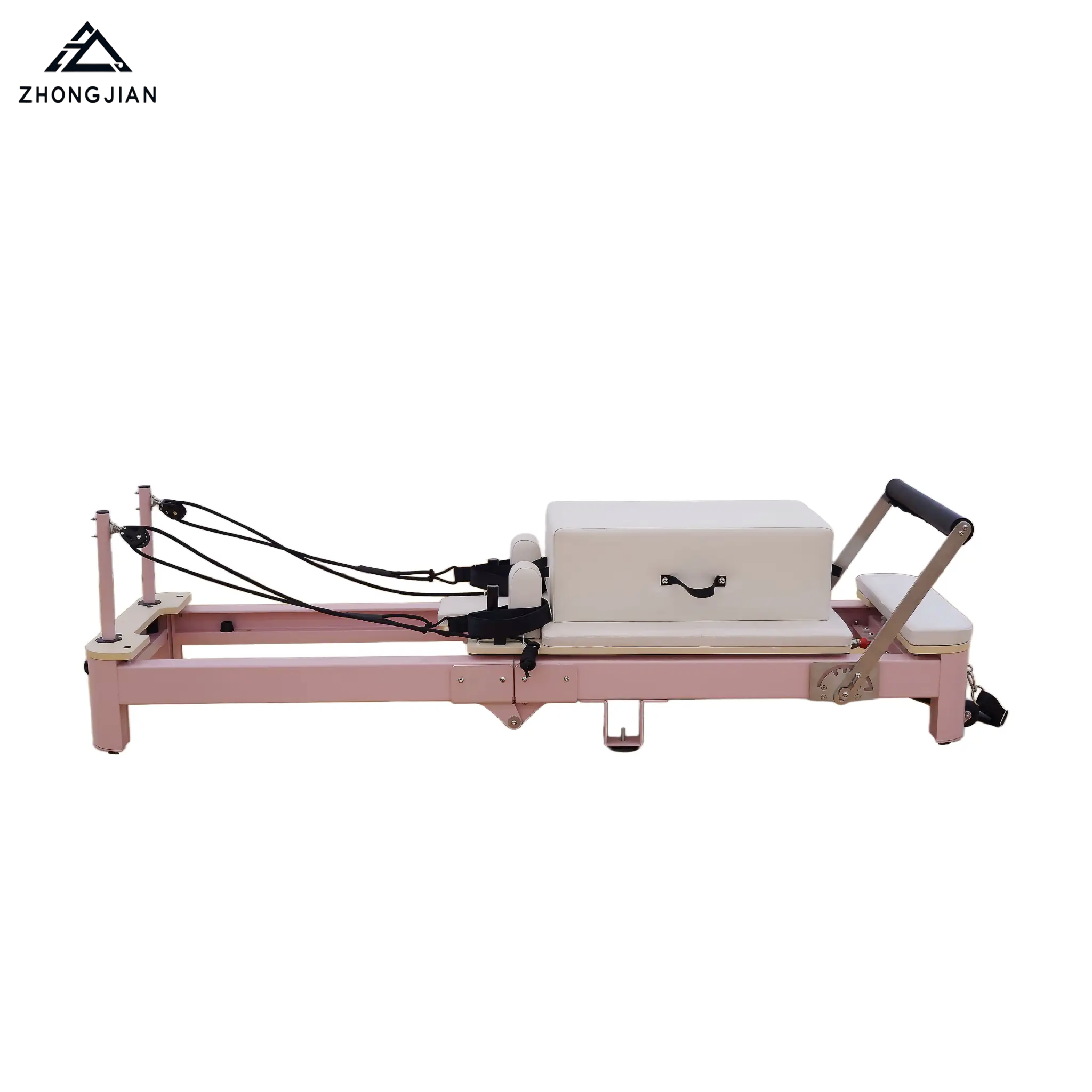
A pilates reformer machine is one of the most versatile and effective tools in modern fitness training. Unlike conventional gym equipment, a pilates reformer machine uses a sliding carriage, spring-based resistance, and a system of pulleys and straps to engage the entire body in controlled, purposeful movement. Whether you are a beginner or an experienced athlete, a pilates reformer machine offers a structured way to improve strength, balance, and flexibility simultaneously.
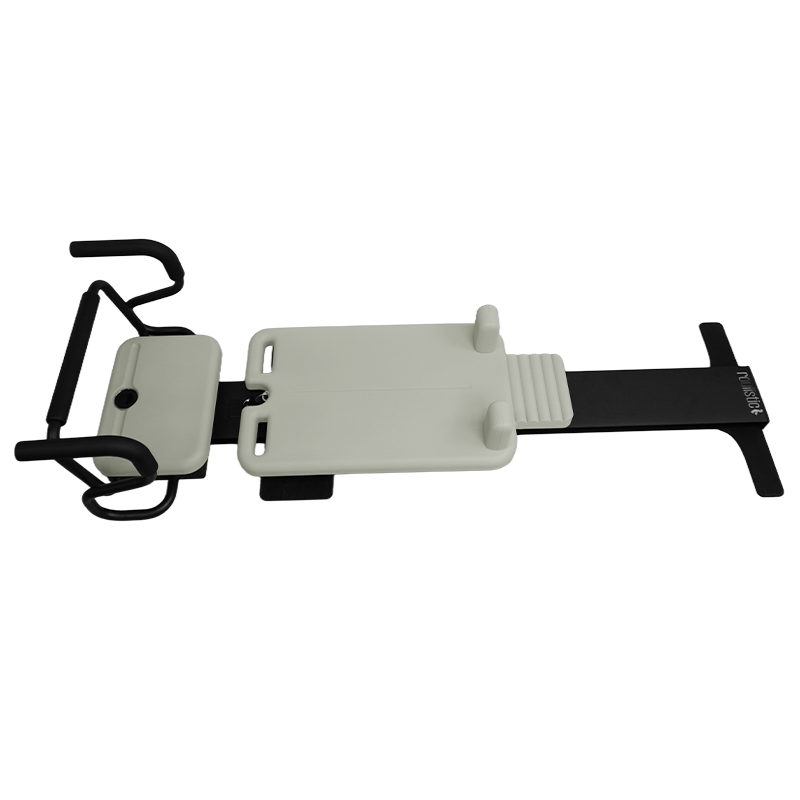
The design of a pilates reformer machine is grounded in the original principles developed by Joseph Pilates, emphasizing controlled motion, core engagement, and body awareness. Today, the pilates reformer machine has evolved with modern engineering to suit home gyms, professional studios, and clinical rehabilitation settings. Understanding exactly how a pilates reformer machine supports your fitness goals can help you use it more effectively and consistently.
How a Pilates Reformer Machine Builds Full-Body Strength
Resistance-Based Muscle Activation
The core mechanism of a pilates reformer machine is spring resistance. Each spring on a pilates reformer machine can be adjusted to increase or decrease resistance, allowing users to challenge specific muscle groups with precision. Because the carriage moves along a horizontal track, the pilates reformer machine creates resistance in both the pushing and pulling phases of every movement. This bidirectional load means your muscles work harder throughout the full range of motion, which is a key reason the pilates reformer machine is so effective for building functional strength.
The pilates reformer machine targets deep stabilizer muscles that conventional weight training often misses. Exercises performed on a pilates reformer machine require the core, glutes, and postural muscles to activate continuously to maintain alignment on the moving carriage. Over time, consistent use of a pilates reformer machine strengthens the body from the inside out, improving overall structural integrity and reducing injury risk.
Progressive Overload Through Spring Adjustment
One of the practical advantages of a pilates reformer machine is the ability to apply progressive overload without heavy free weights. By adding or removing springs, users can incrementally increase the resistance on a pilates reformer machine as their strength improves. This principle of gradual progression makes the pilates reformer machine a sustainable long-term training tool for building muscular endurance and strength across all major muscle groups.
How a Pilates Reformer Machine Enhances Balance and Stability
Unstable Surface Training Benefits
Balance training is one of the most compelling reasons to use a pilates reformer machine regularly. The moving carriage of a pilates reformer machine creates an inherently unstable surface, which forces the neuromuscular system to engage constantly. When performing standing, kneeling, or seated exercises on a pilates reformer machine, the body must recruit stabilizing muscles in the ankles, knees, hips, and spine simultaneously. This full-chain activation is what makes a pilates reformer machine so effective for developing proprioception and postural control.
Athletes and rehabilitation patients alike benefit from this aspect of the pilates reformer machine. For athletes, the pilates reformer machine builds the balance and coordination needed for dynamic sport performance. For individuals recovering from injury, the pilates reformer machine provides a controlled environment where balance can be rebuilt gradually and safely without placing excessive strain on healing tissues.
Core Stabilization as a Foundation
Every movement on a pilates reformer machine originates from the core. The design of the pilates reformer machine encourages a constant state of core engagement, which directly improves functional stability. As users develop core strength through repeated sessions on a pilates reformer machine, their ability to maintain balance in everyday activities and athletic movements also improves. The pilates reformer machine essentially trains the body to use the core as a stabilizing anchor rather than relying solely on larger limb muscles.
How a Pilates Reformer Machine Develops Flexibility
Lengthening Muscles Through Full Range Motion
Flexibility is another domain where a pilates reformer machine delivers consistent results. Unlike static stretching, the pilates reformer machine encourages active flexibility by lengthening muscles under controlled resistance. Many exercises on a pilates reformer machine involve moving through a full range of motion while the springs provide gentle assistance or resistance, which trains muscles to remain strong at their end range. This approach to flexibility development is more functional and durable than passive stretching alone.
The pilates reformer machine is particularly effective for improving hip flexor flexibility, hamstring length, and thoracic spine mobility. These are common restriction areas for people who spend long hours seated. Regular use of a pilates reformer machine systematically addresses these tightness patterns through movement sequences that combine extension, rotation, and lateral flexion. Over weeks of consistent practice, users of a pilates reformer machine typically report a noticeable improvement in overall range of motion and ease of movement.
Mindful Movement and Body Awareness
The pilates reformer machine also encourages a mindful approach to movement that supports flexibility development. Because the pilates reformer machine requires focused control of the carriage and resistance, users naturally slow down and pay attention to how their body moves. This intentional quality of movement on a pilates reformer machine helps identify and release compensatory tension patterns that limit flexibility. Over time, the pilates reformer machine teaches the body to move with greater efficiency and less unnecessary muscular bracing, which allows for greater natural range of motion.
FAQ
Who is a pilates reformer machine suitable for?
A pilates reformer machine is suitable for a wide range of users, including beginners, advanced athletes, older adults, and rehabilitation patients. The adjustable spring resistance on a pilates reformer machine means the difficulty level can be tailored to any fitness background or physical condition.
How often should I use a pilates reformer machine?
Most fitness professionals recommend using a pilates reformer machine two to four times per week for consistent results. This frequency allows the body to recover between sessions while still progressing in strength, balance, and flexibility through regular pilates reformer machine practice.
Can a pilates reformer machine replace other forms of exercise?
A pilates reformer machine can serve as a primary training tool for many people because it addresses strength, balance, and flexibility in one system. However, combining a pilates reformer machine with cardiovascular exercise and other movement practices typically produces the most well-rounded fitness outcomes.