 EN
EN

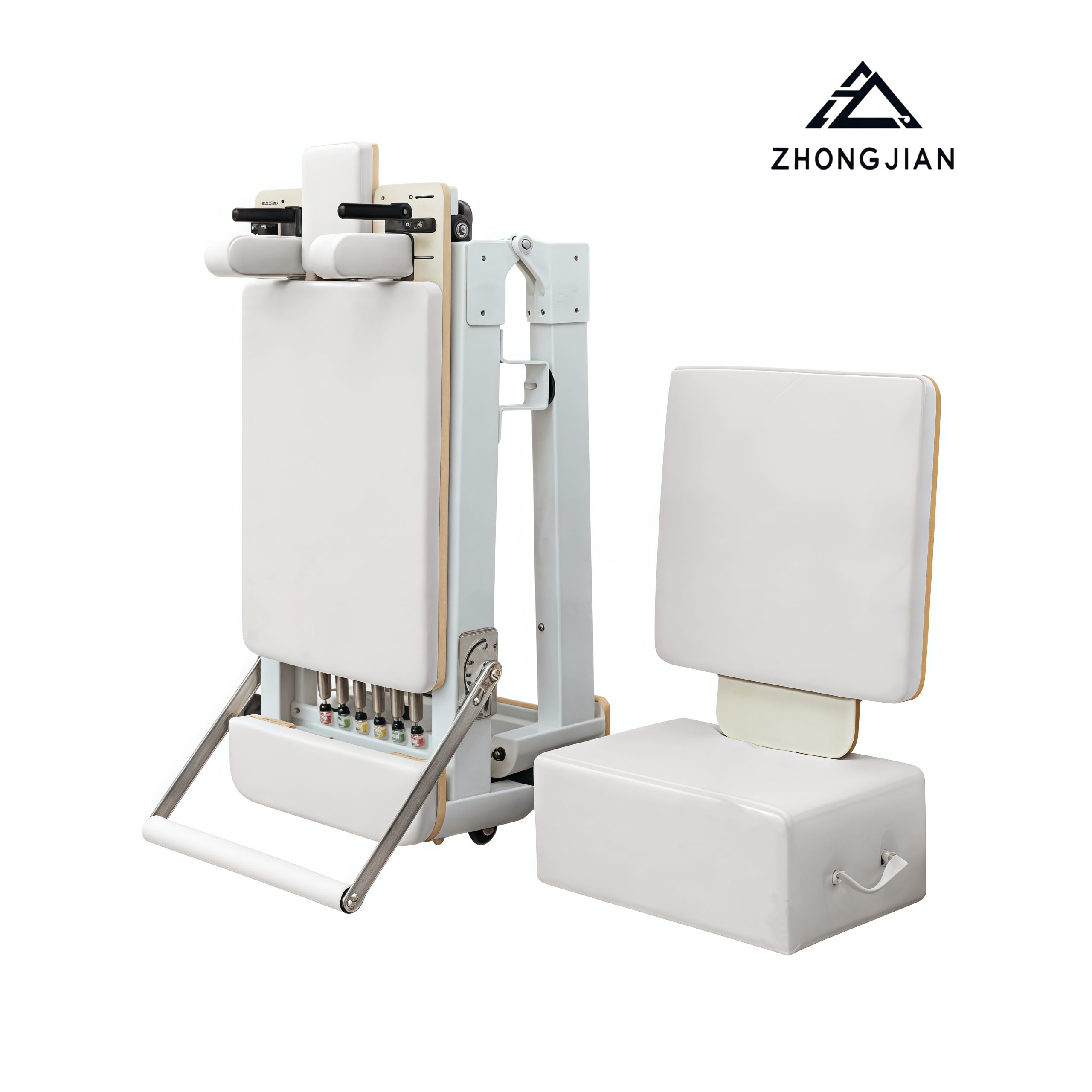
A pilates wall unit is one of the most versatile and space-efficient tools available for structured movement training. Unlike bulky reformer beds or floor-only routines, a pilates wall unit anchors directly to a vertical surface and delivers consistent spring-based resistance across a wide range of exercises. Whether used in a professional studio or a dedicated home training space, a pilates wall unit creates the mechanical conditions needed to build both controlled strength and genuine flexibility simultaneously.
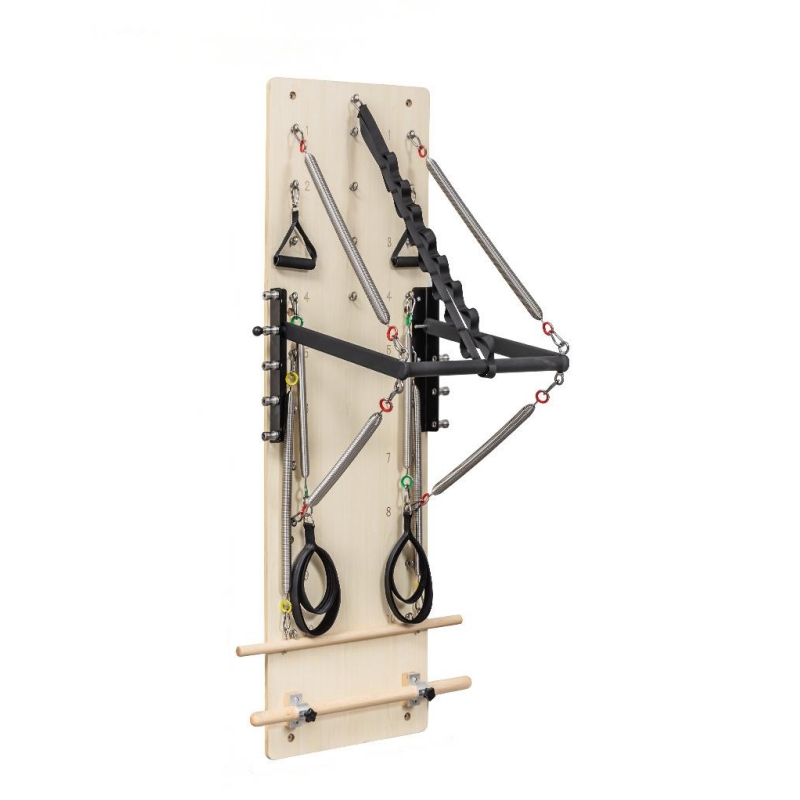
Understanding how a pilates wall unit enhances resistance and flexibility training requires looking closely at its design, its spring mechanics, and how its fixed anchor point changes the way the body moves and adapts. A pilates wall unit does not simply replicate free-weight exercises or basic stretching. It creates a dynamic training environment where resistance and flexibility work together rather than in isolation. This article explains the specific mechanisms that make a pilates wall unit effective for both training goals.
Spring Resistance Mechanics in a Pilates Wall Unit
How Spring Tension Creates Progressive Resistance
The core function of a pilates wall unit depends on calibrated coil springs that attach to fixed bars or pegs at varying heights along the board. Each spring in a pilates wall unit offers a specific tension level, typically ranging from light to heavy, allowing practitioners to select the resistance that matches their current strength capacity. As the trainee moves away from the wall, the springs in a pilates wall unit extend and generate increasing resistance, which challenges the muscles progressively throughout the full range of motion. This progressive load pattern is significantly different from isotonic free weights, where resistance remains constant regardless of joint position.
A pilates wall unit uses this spring behavior to strengthen muscles through their lengthened range, a training principle that supports both muscular endurance and joint stability. Practitioners working with a pilates wall unit regularly report improved control in positions that would otherwise feel weak or unstable. The spring system also provides eccentric resistance on the return phase, meaning the pilates wall unit trains the muscles as they lengthen, not only when they contract. This bilateral demand makes the pilates wall unit especially effective for injury prevention and rehabilitation protocols.
Adjustable Anchor Points and Their Role in Resistance Training
A pilates wall unit features multiple peg positions along a vertical track, and each peg location changes the angle and intensity of the spring load applied to the body. By repositioning where the spring connects on the pilates wall unit, trainers can shift emphasis from lower-body muscles to the core, shoulders, or arms without changing the exercise itself. This adjustability makes a pilates wall unit adaptable to users of different heights, limb lengths, and training levels. It also allows a single pilates wall unit to serve as a comprehensive full-body resistance tool within a compact footprint.
Flexibility Enhancement Through a Pilates Wall Unit
Assisted Stretching With Controlled Spring Feedback
One of the most valuable features of a pilates wall unit for flexibility training is its ability to support the body during extended or deep stretch positions. The springs on a pilates wall unit can be set to assist rather than resist movement, gently pulling a limb or body segment toward a greater range of motion. This assisted stretching approach, guided by the pilates wall unit, is far more controlled than passive static stretching because the practitioner remains engaged with the spring tension throughout the entire position. The result is a more active and neurologically responsive flexibility session.
When used consistently, a pilates wall unit improves flexibility in the hamstrings, hip flexors, thoracic spine, and shoulder girdle — all areas commonly restricted in people who sit for extended periods or perform repetitive athletic movements. A pilates wall unit allows the trainee to hold a supported stretch while simultaneously activating the opposing muscle group, which accelerates neuromuscular flexibility gains. This combination of support and activation is a defining advantage that sets a pilates wall unit apart from traditional stretching aids.
Postural Alignment and Range of Motion Development
A pilates wall unit provides a fixed vertical reference that naturally guides spinal alignment during both resistance and flexibility exercises. When a practitioner stands or sits near a pilates wall unit, the board surface and the spring attachment points create visual and tactile cues that reinforce neutral spine positioning. Over time, regular training with a pilates wall unit builds proprioceptive awareness, meaning the body learns to maintain proper alignment without external reminders. Improved alignment directly expands functional range of motion because joints that are well-positioned can move more freely and safely.
Training Integration and Practical Application
Combining Resistance and Flexibility in a Single Session
A pilates wall unit is uniquely suited to sessions that blend resistance and flexibility work without requiring equipment changes or significant time gaps. A practitioner can begin a session using a pilates wall unit with heavier spring tension for strengthening exercises, then reduce the load and transition immediately into assisted stretching using the same pilates wall unit and the same anchor positions. This seamless transition is not easily achievable with traditional gym equipment, and it reflects the original design intention of the pilates wall unit as a complete conditioning tool. Studios that incorporate a pilates wall unit into group or individual sessions consistently note improvements in both client strength scores and flexibility assessments.
Suitability Across Training Levels and Goals
A pilates wall unit is appropriate for beginners who need guided movement patterns, intermediate practitioners developing strength and mobility, and advanced athletes seeking targeted control work. The pilates wall unit does not demand a high baseline of fitness before it can be used effectively. A well-designed pilates wall unit constructed from quality materials such as solid maple wood offers durability, stability, and a smooth spring action that makes the training experience more consistent. The structural integrity of a pilates wall unit is especially important in professional studio environments where the unit is used multiple times each day by different clients.
FAQ
What muscles does a pilates wall unit primarily target?
A pilates wall unit targets the core, glutes, hamstrings, hip flexors, shoulders, and spinal stabilizers depending on the exercise selection and spring attachment position. The versatility of a pilates wall unit means that nearly every major muscle group can be addressed within a single training session.
How often should someone train with a pilates wall unit to see flexibility improvements?
Most practitioners see measurable flexibility improvements when using a pilates wall unit two to three times per week over a period of four to six weeks. Consistency is more important than session length, and even short daily sessions with a pilates wall unit can produce noticeable gains in range of motion over time.
Is a pilates wall unit suitable for rehabilitation settings?
Yes, a pilates wall unit is widely used in rehabilitation because its spring resistance is gentle, adjustable, and controllable. Physiotherapists and movement specialists value the pilates wall unit for its ability to load muscles through their full range without placing excessive stress on recovering joints or connective tissues.