 EN
EN

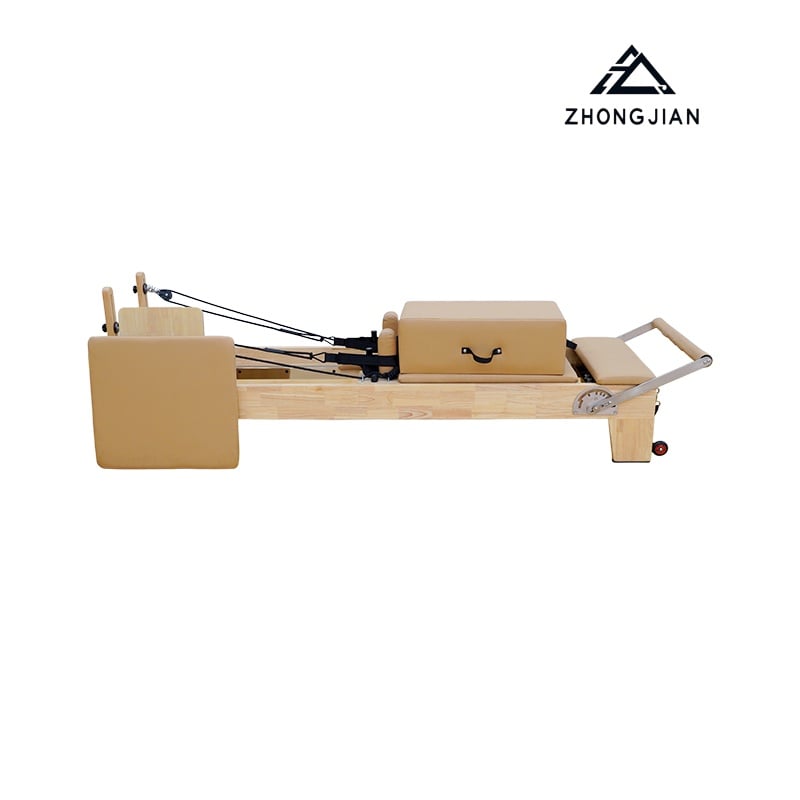
The material used to build a Pilates Reformer is not just a manufacturing detail — it is the foundation of how the equipment performs, how long it lasts, and how safe it feels during every session. From the frame and carriage to the springs and upholstery, every component reflects the quality of its material. Choosing a well-constructed Pilates Reformer means investing in consistent resistance, smooth movement, and reliable structural integrity over years of repeated use.
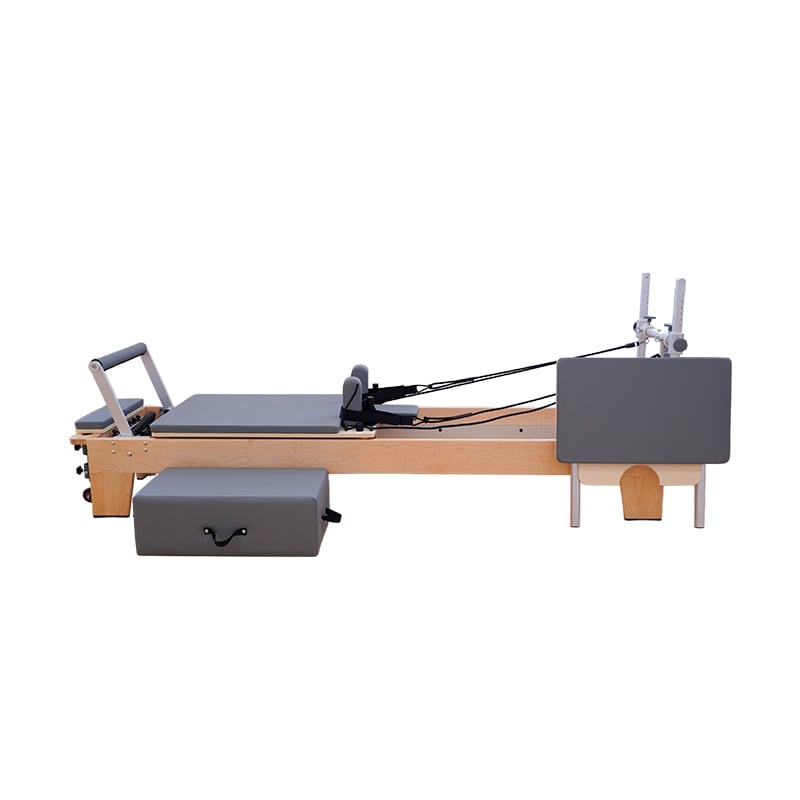
Understanding what separates a high-quality Pilates Reformer from a lower-grade alternative requires looking closely at what each part is made of and how that material behaves under pressure, friction, and time. Whether you operate a professional studio or use a Pilates Reformer at home, material quality directly determines the value of your investment. This article explores how each material choice shapes performance, safety, and long-term durability of a Pilates Reformer.
Frame Materials and Structural Performance
Wood Frames and Natural Stability
The frame is the backbone of any Pilates Reformer, and the material it is made from defines the equipment's structural character. Hardwoods such as maple are commonly used in premium Pilates Reformer designs because of their natural density, resistance to warping, and ability to absorb vibration during movement. A maple-framed Pilates Reformer tends to feel stable and grounded, which is especially important during dynamic exercises that place uneven lateral forces on the frame. The natural grain of hardwood also contributes to a level of aesthetic refinement that practitioners in professional studios often seek from a quality Pilates Reformer.
Wood also responds well to surface finishing, which allows a Pilates Reformer to resist moisture and daily wear. A well-sealed hardwood frame on a Pilates Reformer will maintain its dimensional accuracy even in humid studio environments. This matters because a frame that warps or shifts causes misalignment in the carriage track, leading to uneven glide and increased wear on other components of the Pilates Reformer.
Metal Frames and Load-Bearing Capacity
Steel and aluminum frames are also used in Pilates Reformer construction, particularly in models designed for high-volume commercial use. A steel-framed Pilates Reformer offers excellent rigidity and high load capacity, making it suitable for heavier users or studios that need a Pilates Reformer to withstand multiple sessions per day. The trade-off is that metal frames can transmit more vibration to the user and may feel less refined in their movement quality compared to a hardwood Pilates Reformer. Surface coating quality on a metal Pilates Reformer is also critical — poorly coated steel can corrode over time, especially in coastal or high-humidity environments.
Carriage and Rail Quality
Carriage Platform Materials
The carriage is the moving platform that the user lies, sits, or stands on during Pilates Reformer exercises. Its material composition affects both comfort and movement precision. High-quality Pilates Reformer carriages are typically made from solid wood or high-density composite boards with upholstered surfaces. The rigidity of the carriage on a Pilates Reformer ensures that resistance force from the springs translates directly into controlled movement rather than being lost to flex or bounce. A carriage that is too lightweight or made from low-density materials will feel unstable on a Pilates Reformer, reducing the user's ability to control eccentric and concentric loading with accuracy.
Rail Surface Finish and Glide Consistency
The rails on a Pilates Reformer guide the carriage and define the smoothness of every repetition. In a well-made Pilates Reformer, rails are machined to precise tolerances and finished with low-friction coatings or polished surfaces that allow the carriage to glide effortlessly. Poor rail quality on a Pilates Reformer introduces friction variability, which means resistance feels inconsistent between repetitions. Over time, rough or poorly finished rails on a Pilates Reformer accelerate wear on the carriage wheels or bearings, increasing maintenance needs and potentially creating safety risks if the carriage becomes unpredictable in its motion.
Springs, Upholstery, and Hardware
Spring Steel Quality and Resistance Accuracy
The springs are among the most functionally critical components of any Pilates Reformer. Premium Pilates Reformer models use high-grade tempered spring steel that maintains consistent tension across thousands of cycles. A Pilates Reformer with inferior spring material may feel fine initially but will lose calibration over time, resulting in resistance levels that no longer match the labeled settings. This is a significant performance concern for instructors who rely on consistent Pilates Reformer resistance to deliver progressive programming. Spring hooks and attachment hardware on a Pilates Reformer must also be made from corrosion-resistant materials to prevent breakage or slippage during use.
Upholstery and Padding Materials
The padding on a Pilates Reformer carriage and shoulder rests affects comfort during sustained holds and transitions between positions. High-density foam covered with durable, easy-clean vinyl is the standard for a professional-grade Pilates Reformer. Thin or low-density padding on a Pilates Reformer compresses quickly and fails to support the user's body properly during reformer exercises. Quality upholstery on a Pilates Reformer also resists tearing and moisture absorption, which is important in studio settings where the equipment is used continuously throughout the day. The stitching and adhesion method used on a Pilates Reformer surface covering determines how long it holds up under repeated flexion and body weight pressure.
FAQ
Does frame material affect how quiet a Pilates Reformer is during use?
Yes, frame material significantly influences the noise level of a Pilates Reformer. Hardwood frames absorb vibration more effectively than metal frames, which means a wood-based Pilates Reformer tends to operate more quietly. Metal frames on a Pilates Reformer can amplify vibration and produce more sound, particularly if joints or fasteners loosen over time. Proper material selection and construction quality both contribute to a quieter Pilates Reformer experience.
How does spring material affect the safety of a Pilates Reformer?
Spring material is directly tied to safety on a Pilates Reformer. High-grade tempered steel springs on a Pilates Reformer maintain their shape and tension reliably, reducing the risk of sudden release or breakage during exercises. Inferior spring materials can fatigue rapidly, causing a Pilates Reformer spring to deform or snap unexpectedly. Regular inspection of spring condition is recommended for any Pilates Reformer, but premium spring steel extends the safe service interval significantly.
Can upholstery quality affect the workout experience on a Pilates Reformer?
Absolutely. The quality of padding and upholstery on a Pilates Reformer affects how comfortably and stably a user can perform exercises. Thin padding on a Pilates Reformer leads to discomfort on bony contact points, which can distract from proper form and reduce session effectiveness. A well-padded Pilates Reformer with durable upholstery also supports correct spinal alignment during supine and seated exercises, contributing to both performance and injury prevention.