 EN
EN

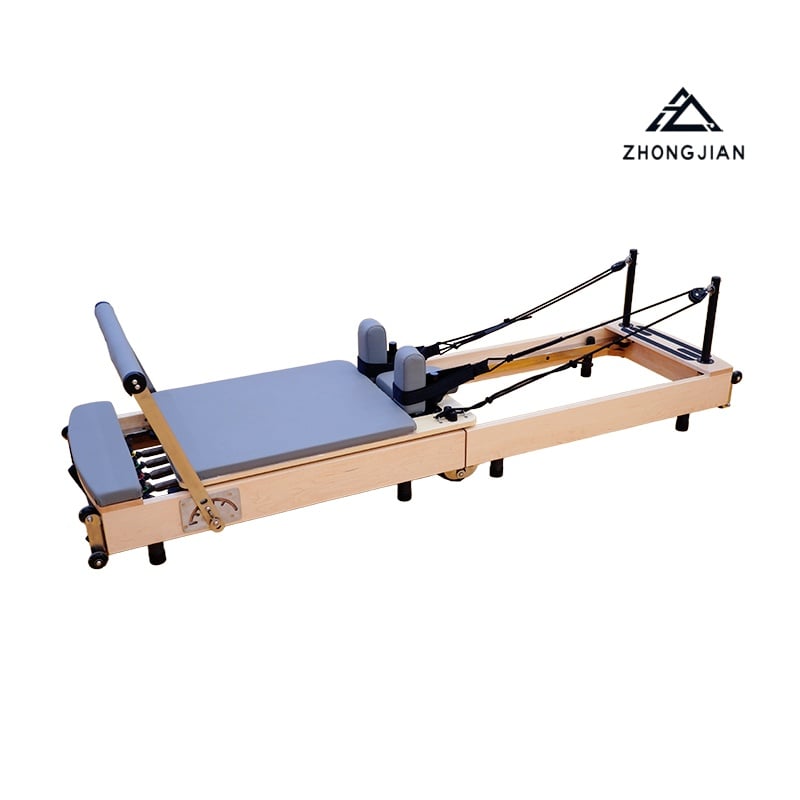
Pilates studios that want to offer a truly complete training environment must consider every piece of equipment carefully. Among the most versatile and impactful choices available, ladder barrels stand out as an essential addition that delivers measurable value for clients and instructors alike. When studios invest in ladder barrels, they signal a serious commitment to the full classical Pilates method and the diverse needs of every client who walks through the door.
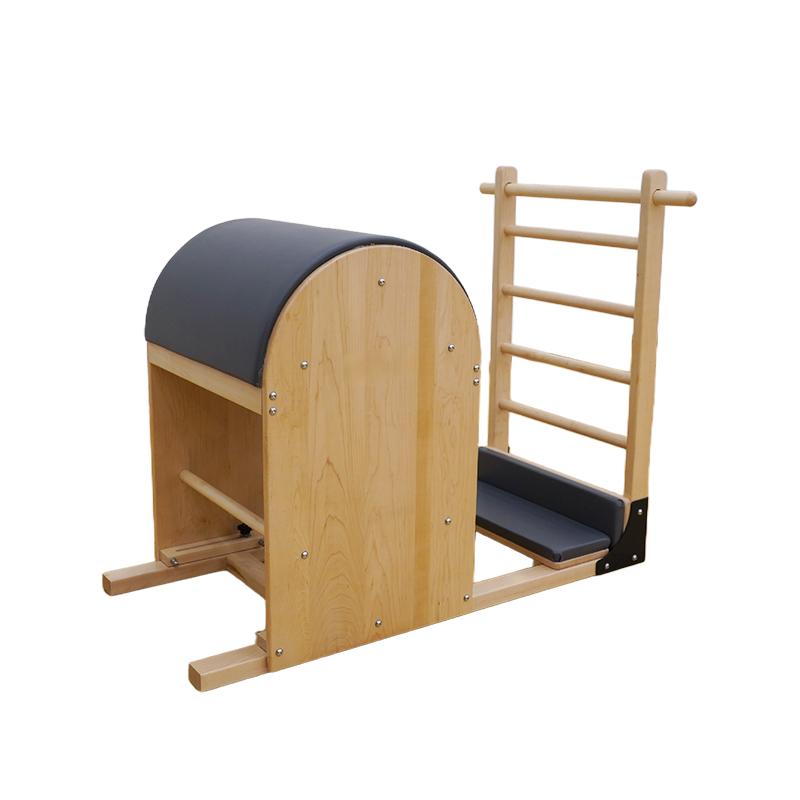
The case for including ladder barrels in a studio setup is both practical and philosophical. Ladder barrels are not simply a luxury or an advanced add-on. They are a foundational apparatus that expands what instructors can teach and what clients can achieve. Studios that overlook ladder barrels miss a significant opportunity to serve a wider range of bodies, goals, and movement challenges. Understanding why ladder barrels deserve a permanent place in any serious Pilates studio helps owners and instructors make better, more confident purchasing decisions.
The Functional Role of Ladder Barrels in Pilates Training
Spinal Mobility and Support Work
One of the most compelling reasons to include ladder barrels in a Pilates studio is the unmatched spinal support they provide. The curved barrel surface of ladder barrels allows clients to drape, extend, and mobilize their spines in ways that flat equipment simply cannot replicate. Whether a client needs gentle spinal extension after prolonged sitting or deeper thoracic opening for athletic performance, ladder barrels offer the right contour and the right resistance to make that work effective and safe. Instructors consistently find that ladder barrels help clients progress faster in spinal flexibility and postural correction than many other apparatus combinations.
Stretching, Strengthening, and Balance Training
Ladder barrels serve a dual purpose that few pieces of Pilates equipment can match. On one side, the rungs of ladder barrels create multiple grip and foot positions that challenge balance and core stability across a wide range of exercises. On the other side, the barrel portion of ladder barrels supports deep stretching for the hip flexors, hamstrings, and lateral body. This combination means that a single session using ladder barrels can address mobility, strength, and coordination simultaneously. Studios that use ladder barrels regularly report that clients enjoy the variety and the clear physical benefit they feel after working on ladder barrels.
Why Ladder Barrels Expand Studio Service Offerings
Serving a Broader Client Base
Not every client who enters a Pilates studio has the same body, history, or goal. Ladder barrels are particularly valuable because they accommodate a genuinely wide range of populations. Rehabilitation clients benefit from ladder barrels as a gentle tool for rebuilding spinal and hip mobility without the demands of a Reformer or Cadillac. Athletic clients use ladder barrels to increase range of motion and address muscular asymmetries. Older adults find that ladder barrels provide supported movement that feels both accessible and rewarding. By having ladder barrels available, a studio can design sessions that are more personalized and more effective for every individual.
Supporting Classical and Contemporary Pilates Methods
Ladder barrels appear in both classical Pilates tradition and contemporary method curricula, making them relevant regardless of the training lineage a studio follows. Classical Pilates instructors regard ladder barrels as a core part of the full apparatus family that Joseph Pilates originally developed. Contemporary instructors value ladder barrels for their adaptability and the creative programming they enable. Either way, owning ladder barrels gives instructors more options, more depth, and greater ability to honor their training and serve their clients. Studios that lack ladder barrels often find themselves directing clients elsewhere for services that ladder barrels would naturally provide in-house.
The Business and Investment Value of Ladder Barrels
Enhancing Studio Reputation and Perceived Value
From a business perspective, ladder barrels contribute directly to how a studio is perceived by prospective clients. A studio that features ladder barrels communicates expertise, completeness, and a genuine investment in the Pilates method. Clients who are researching studios often notice whether the full apparatus family is present, and ladder barrels are a visible marker of a serious, well-equipped space. This perception translates into stronger client retention and more confident referrals. When clients see and work with ladder barrels regularly, they associate the studio with quality and professionalism.
Durability and Long-Term Return on Investment
High-quality ladder barrels, particularly those constructed from maple wood, are built to withstand years of daily use in a professional studio environment. The durability of well-crafted ladder barrels means that the initial investment spreads across a long service life, making the cost-per-use figure very favorable over time. Maple wood ladder barrels in particular offer a combination of structural strength and aesthetic appeal that enhances any studio interior. Investing in reliable ladder barrels from the outset avoids the recurring costs of replacement and repair that cheaper alternatives often generate. Studios that choose premium ladder barrels find that the equipment pays for itself through consistent use and client satisfaction.
FAQ
Are ladder barrels suitable for beginner Pilates clients?
Yes, ladder barrels are well-suited for beginners because they provide supported positions that help new clients feel safe while learning fundamental Pilates movements. The barrel surface of ladder barrels guides the spine into the correct position without requiring the client to hold unsupported postures, making early sessions more productive and less intimidating. Instructors can introduce ladder barrels at a very accessible level and gradually increase the challenge as the client builds confidence and strength.
How much space do ladder barrels require in a studio layout?
Ladder barrels have a compact footprint compared to many other Pilates apparatus, making them a practical choice even in studios with limited floor space. Most ladder barrels require only a few square meters of dedicated space, and because they are not typically in motion during use, they can be placed efficiently alongside other equipment. Studios should allow sufficient clearance around ladder barrels for instructors to cue and assist safely, but the overall space demand is modest relative to the training value ladder barrels provide.
What should studios look for when selecting ladder barrels?
When choosing ladder barrels, studios should prioritize structural integrity, material quality, and the comfort of the barrel padding. Maple wood ladder barrels are widely regarded as a premium choice because maple offers exceptional hardness, stability, and a refined appearance. The rung spacing and barrel height of ladder barrels should accommodate a range of body sizes to maximize versatility. Studios should also consider the reputation of the manufacturer and whether the ladder barrels come with clear assembly guidance and long-term support.