 EN
EN
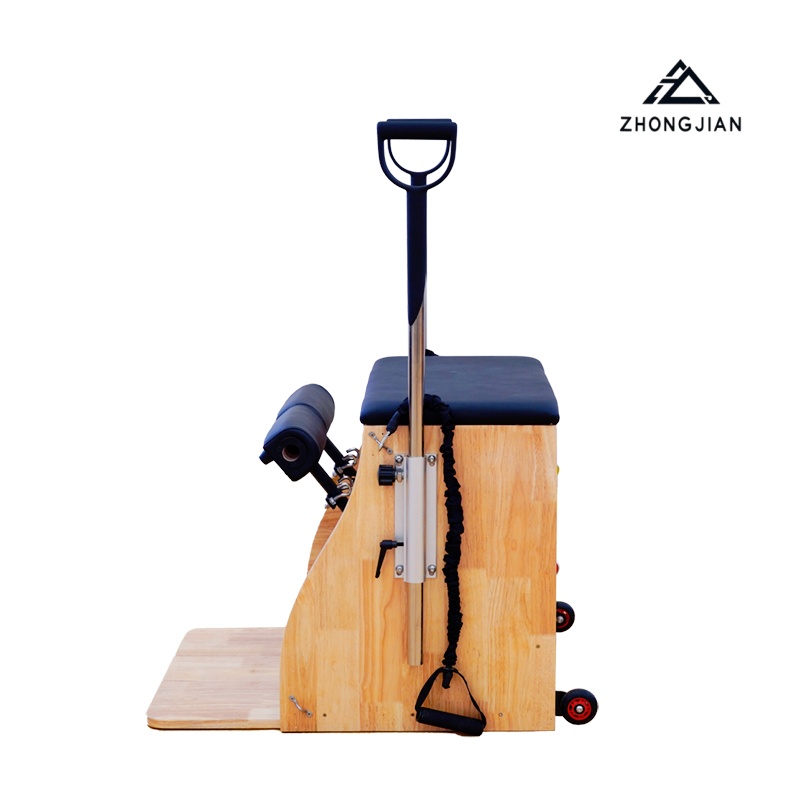
Selecting the right equipment for Japan construction projects demands careful evaluation, and the Flexihome Twist Crawler V2 has emerged as a notable option that procurement teams and site managers are actively considering. Japan's construction environment presents unique challenges, including seismic safety requirements, compact urban job sites, and strict worker welfare regulations. Understanding how the Flexihome Twist Crawler V2 fits within these conditions is the first step toward making an informed purchasing decision.
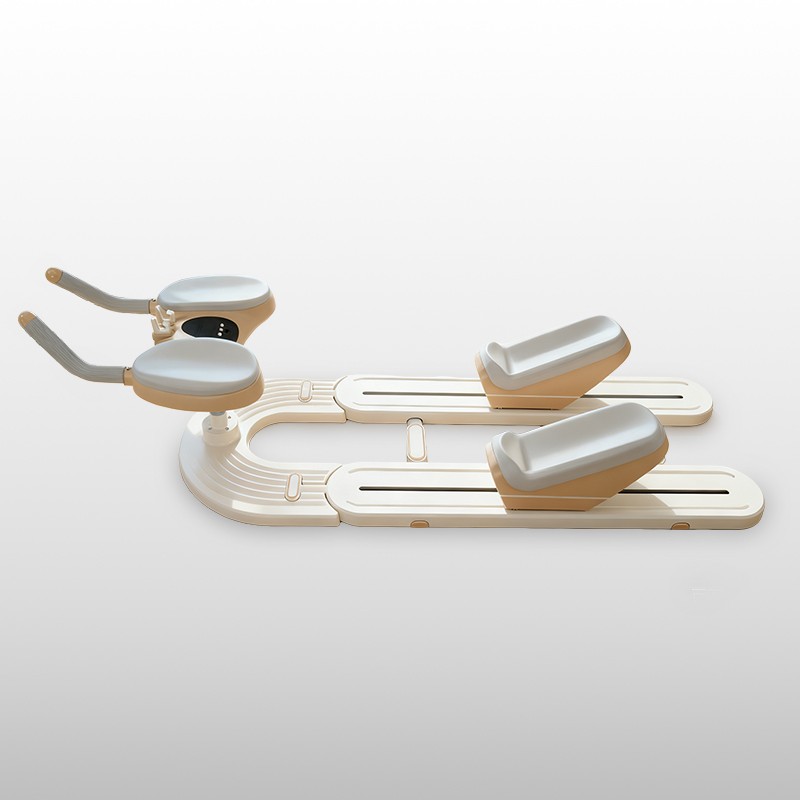
The Flexihome Twist Crawler V2 is specifically designed to support spine mobility and waist flexibility through guided twisting motion, which is directly relevant to construction workers who perform repetitive bending, lifting, and rotational tasks throughout their shifts. In Japan's construction sector, worker recovery and injury prevention are taken seriously at both the regulatory and corporate levels. Choosing the Flexihome Twist Crawler V2 as part of a site wellness program can contribute to reduced musculoskeletal downtime and improved overall workforce productivity.
Key Selection Criteria for Japan Construction Sites
Space and Portability Requirements
Japan construction sites, particularly in urban centers like Tokyo and Osaka, are often confined and densely organized. When evaluating the Flexihome Twist Crawler V2, site managers should first assess available floor space in rest areas, welfare facilities, or on-site rehabilitation zones. The Flexihome Twist Crawler V2 is compact by design, making it well suited for tight site welfare rooms where larger fitness or recovery equipment would be impractical. Portability also matters for multi-floor projects where the Flexihome Twist Crawler V2 may need to be repositioned across different levels or relocated as site phases progress.
Beyond physical dimensions, the weight and assembly simplicity of the Flexihome Twist Crawler V2 are worth verifying before purchase. Sites with rotating shift crews benefit from equipment that requires minimal setup time. The Flexihome Twist Crawler V2 should be evaluated against how quickly workers can begin using it without technical assistance, which directly affects how consistently it gets used during short break windows.
Alignment with Japan Worker Welfare Standards
Japan has detailed occupational health guidelines under the Industrial Safety and Health Act, and construction companies are expected to provide ergonomic support for laborers engaged in physically demanding tasks. The Flexihome Twist Crawler V2 targets the lumbar and thoracic spine regions, both of which are highly vulnerable in construction roles involving heavy lifting and overhead work. Incorporating the Flexihome Twist Crawler V2 into a structured warm-up or cool-down protocol demonstrates compliance intent and genuine commitment to worker care. Procurement managers should confirm that the Flexihome Twist Crawler V2 meets any applicable JIS or imported product safety standards before deployment.
Matching the Flexihome Twist Crawler V2 to Project Type
Long-Duration Infrastructure Projects
For large infrastructure projects such as highway construction, tunnel work, or rail development, crews are on-site for extended periods, sometimes years. In these environments, the Flexihome Twist Crawler V2 offers lasting value because worker fatigue accumulates over months and spine-related complaints tend to spike in later project phases. Deploying the Flexihome Twist Crawler V2 early in the project lifecycle helps establish preventive habits before physical strain becomes a reported issue. Site welfare coordinators should plan for multiple units of the Flexihome Twist Crawler V2 if crew sizes are large, ensuring equitable access without queuing during peak break times.
Residential and High-Rise Construction
High-rise and residential builds in Japan involve significant vertical movement, repetitive concrete work, and rebar handling, all of which stress the lower back and core. The Flexihome Twist Crawler V2 is particularly well matched for these project types because its core twist and stretch mechanism directly counteracts the compression patterns common in vertical construction work. Facilities managers overseeing welfare tents or ground-floor rest areas on residential projects should consider the Flexihome Twist Crawler V2 as a fixed installation for the project duration. Its durability under daily multi-user conditions should be confirmed through product specifications and load-testing data provided by the supplier.
Procurement and Integration Considerations
Evaluating Supplier Support and Documentation
When procuring the Flexihome Twist Crawler V2 for a Japan-based project, buyer teams should request Japanese-language operating instructions or at minimum bilingual documentation. Construction workers on Japanese sites will use the Flexihome Twist Crawler V2 most effectively when clear, localized usage guidance is available. Supplier responsiveness, warranty terms, and availability of replacement components are all factors that affect total cost of ownership for the Flexihome Twist Crawler V2 over a multi-year project span. Buyers should also verify lead times, especially for imported units of the Flexihome Twist Crawler V2, to avoid gaps in welfare program delivery.
Staff Training and Usage Protocols
Even well-designed equipment like the Flexihome Twist Crawler V2 delivers limited benefit without proper usage protocols. Japan construction site supervisors should incorporate the Flexihome Twist Crawler V2 into daily briefings, showing workers how to use it correctly for pre-shift activation and post-shift recovery. A designated wellness officer or occupational health staff member can demonstrate Flexihome Twist Crawler V2 technique during onboarding, reducing the risk of misuse. Logging usage of the Flexihome Twist Crawler V2 at intervals also provides data to support future investment justification and program audits.
FAQ
Is the Flexihome Twist Crawler V2 appropriate for outdoor or semi-outdoor construction site use?
The Flexihome Twist Crawler V2 is best suited for covered welfare rooms or enclosed rest areas rather than fully open outdoor environments. Exposure to rain, dust, and direct sunlight can degrade materials over time. For Japanese construction sites with roofed welfare facilities, the Flexihome Twist Crawler V2 performs reliably under normal indoor-adjacent conditions.
How many workers can realistically use one Flexihome Twist Crawler V2 unit per shift?
This depends on shift duration and break scheduling, but as a general guidance, one Flexihome Twist Crawler V2 unit can comfortably support ten to fifteen workers per shift when usage sessions are kept to five to ten minutes each. Larger crews should consider procuring additional units to ensure consistent access to the Flexihome Twist Crawler V2 without interrupting rest time.
What documentation should be requested when purchasing the Flexihome Twist Crawler V2 for a Japan project?
Buyers should request product safety certifications, material compliance documents, and bilingual user manuals when sourcing the Flexihome Twist Crawler V2 for Japan. Warranty terms, spare parts availability, and import compliance with Japanese customs requirements are equally important. Confirming these details before purchase ensures that the Flexihome Twist Crawler V2 can be deployed without administrative delays.