 EN
EN

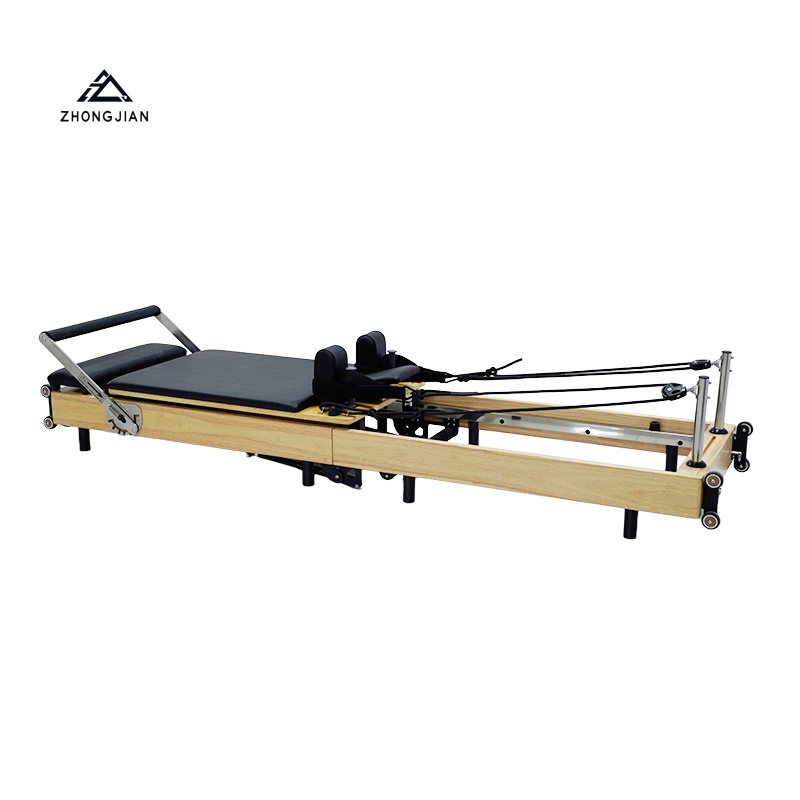
Choosing the right Pilates equipment is a critical decision for studios, fitness professionals, and dedicated home practitioners alike. Among the most common points of confusion is understanding exactly what separates a standard reformer from a tower reformer. While both machines share the same foundational carriage-and-spring mechanism, a tower reformer expands the training possibilities in ways that a basic unit simply cannot match. Knowing these differences helps you make a smarter, more cost-effective investment.
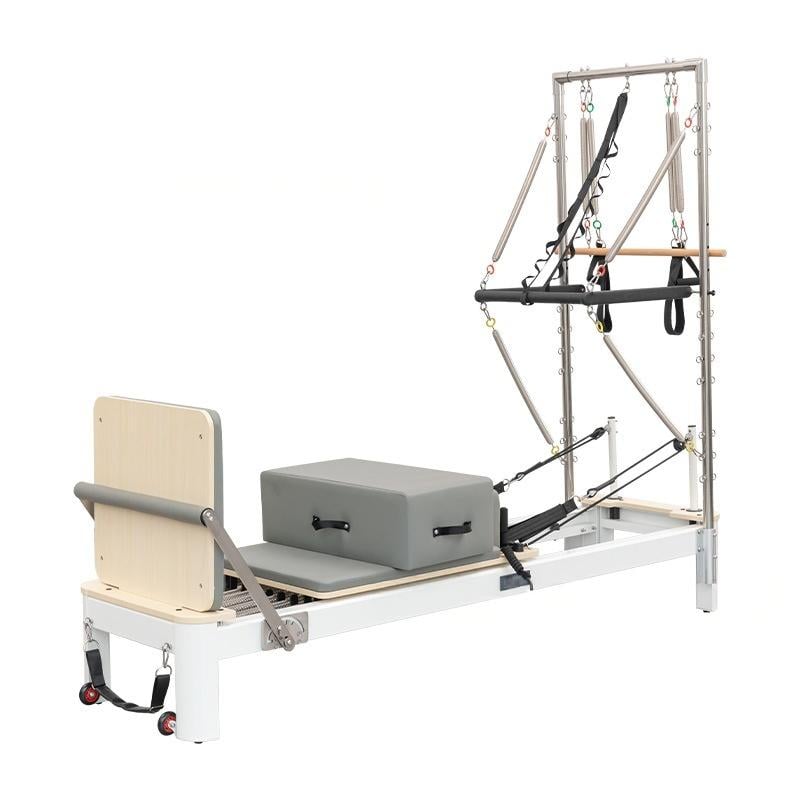
A tower reformer integrates a vertical tower frame directly onto the reformer bed, combining two separate pieces of Pilates apparatus into one unified machine. This integration is precisely what distinguishes a tower reformer from the standard version. The tower reformer is built for versatility, allowing practitioners to work both horizontally on the carriage and vertically against the tower's spring bars and push-through bar. As the Pilates industry continues to evolve, the tower reformer has become a preferred choice for space-conscious studios and trainers who want maximum functionality from a single unit.
Structural Differences Between the Two Machines
The Tower Attachment and Frame Design
The most visible difference between a standard reformer and a tower reformer lies in the structural frame. A standard reformer is a horizontal carriage system with a footbar, shoulder rests, and a pulley system at one or both ends. A tower reformer adds a tall vertical frame, typically rising from the foot end of the reformer bed, equipped with push-through bars, roll-down bars, and additional spring attachment points. This elevated frame gives the tower reformer a far larger functional surface area than a standard unit. The tower reformer frame is engineered to bear the tension loads created by exercises performed in a standing or kneeling position against the tower springs.
Material and Build Quality
Modern tower reformer models are frequently constructed with aluminum frames, which offer a superior strength-to-weight ratio compared to traditional wood-frame reformers. An aluminum tower reformer resists moisture, humidity, and the daily wear of high-traffic studio use. Because a tower reformer must support a wider range of movements and load directions than a standard reformer, the build quality of the frame and spring hardware matters even more. The tower reformer benefits from precision-welded aluminum joints and heavy-duty spring hooks that maintain stability across all exercise variations. This level of construction is rarely required for a basic standard reformer.
Functional and Exercise Range Differences
What a Tower Reformer Can Do That a Standard Reformer Cannot
The defining functional advantage of a tower reformer is the expanded exercise library it unlocks. On a standard reformer, the practitioner is largely limited to carriage-based exercises performed lying, sitting, kneeling, or standing on the moving platform. A tower reformer opens the vertical plane, enabling exercises such as the tower teaser, leg springs series, arm springs series, and push-through bar movements. Each of these exercises targets stabilization patterns, joint mobility, and muscular control in ways that horizontal carriage work alone cannot replicate. For a Pilates instructor, the tower reformer effectively doubles the curriculum available in a single session without requiring a separate Cadillac unit.
Space Efficiency and Studio Planning
Studios face real space constraints, and this is where the tower reformer delivers a measurable advantage over owning both a standard reformer and a separate tower or Cadillac. A tower reformer occupies roughly the same floor footprint as a standard reformer while providing the function of two machines. This space efficiency makes the tower reformer an especially practical solution for boutique studios, rehabilitation clinics, and home gyms. Rather than dedicating floor space to a standalone Cadillac tower, a studio can equip multiple training stations with a tower reformer at each position. The tower reformer therefore improves both studio economics and client throughput.
Training Applications and Client Suitability
Rehabilitation and Clinical Use of the Tower Reformer
In rehabilitation settings, the tower reformer is particularly valued because the tower's spring system allows for highly adjustable resistance in vertical and diagonal movement patterns. Physical therapists and Pilates rehabilitation specialists use the tower reformer to guide clients through spinal articulation, shoulder mobilization, and hip stability work using the push-through bar and leg spring attachments. The tower reformer enables practitioners to progress clients from supine carriage work to upright functional movement within the same session. A standard reformer alone does not provide this seamless progression pathway, making the tower reformer the more clinically versatile tool.
Advanced and Athletic Training on the Tower Reformer
For advanced Pilates practitioners and athletic clients, the tower reformer provides challenges that a standard reformer simply cannot offer. Tower exercises demand greater proprioceptive awareness, core integration, and multi-planar coordination. The tower reformer allows instructors to design programs that shift between loaded carriage work and standing spring resistance within a single flowing sequence. Athletes recovering from injury or building movement quality benefit from the tower reformer's ability to bridge strength and mobility training. When comparing a standard reformer to a tower reformer for high-performance clients, the tower reformer consistently delivers a broader, more complete training stimulus.
FAQ
Is a tower reformer suitable for Pilates beginners?
Yes, a tower reformer is suitable for beginners, though the tower attachments are typically introduced gradually. Instructors generally begin new clients on foundational carriage exercises before progressing to tower reformer-specific movements such as leg springs and push-through bar work. The tower reformer's spring resistance is fully adjustable, making it accessible at every experience level.
How does a tower reformer differ from a Cadillac?
A Cadillac is a standalone apparatus with a full overhead frame, while a tower reformer combines a reformer carriage with a partial vertical tower attached at one end. The tower reformer shares some exercises with the Cadillac, such as leg springs and push-through bar movements, but a full Cadillac offers additional trapeze and overhead bar options. The tower reformer is the more compact and cost-efficient alternative for studios that need Cadillac-style function without the full footprint.
What should I look for when buying a tower reformer?
When selecting a tower reformer, prioritize frame material, spring quality, and the range of included attachments. An aluminum tower reformer is recommended for durability and low maintenance. Verify that the tower reformer includes a push-through bar, roll-down bar, and multiple spring attachment heights. The carriage glide quality, padding thickness, and footbar adjustability of the tower reformer are also important factors for both client comfort and exercise precision.