 EN
EN

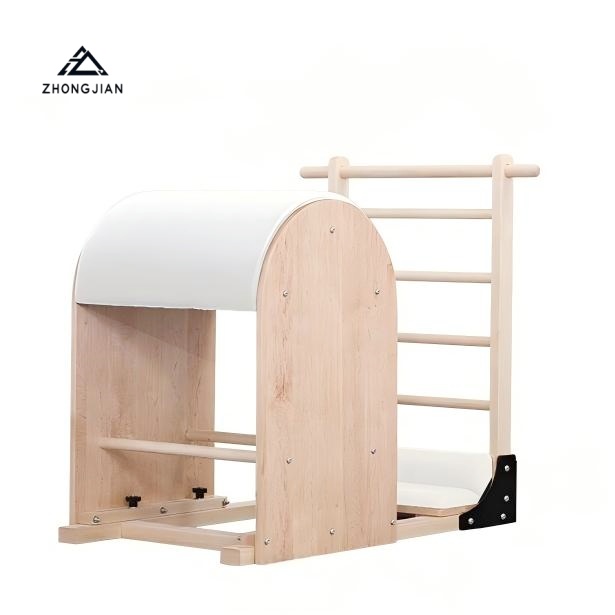
The spine corrector has been a cornerstone of Pilates and postural rehabilitation for decades. Over the years, this essential piece of equipment has evolved significantly, giving rise to two distinct design philosophies — the traditional spine corrector and the modern spine corrector. Understanding the differences between these two approaches helps fitness professionals, physical therapists, and individual users make smarter decisions about which spine corrector best suits their training goals and body needs.
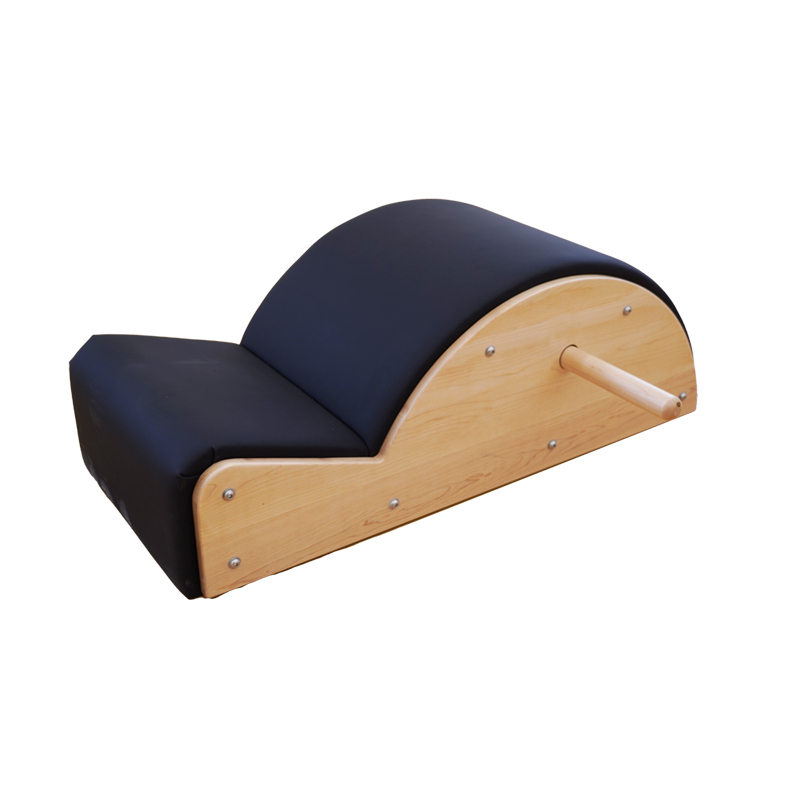
Both the traditional spine corrector and the modern spine corrector are designed to support spinal articulation, open the chest, and improve postural alignment. However, they differ in materials, construction geometry, functional versatility, and the populations they serve best. Whether you are equipping a professional Pilates studio or building a home training space, knowing how each spine corrector type performs gives you a clear advantage in selecting the right tool.
Origins and Design Philosophy of Each Spine Corrector
The Traditional Spine Corrector
The traditional spine corrector traces its roots directly to the foundational Pilates apparatus developed in the early twentieth century. This classic spine corrector typically features a barrel-shaped arc mounted on a flat base, crafted from solid wood — most commonly beech or maple. The curvature of the traditional spine corrector is fixed and precisely calibrated to encourage thoracic extension and lumbar decompression through passive support. Practitioners appreciate the traditional spine corrector for its authentic feel, its durability, and its fidelity to original movement principles. The solid wooden frame of a traditional spine corrector gives it a firm, stable surface that many instructors prefer for foundational posture work and classical Pilates repertoire.
The Modern Spine Corrector
The modern spine corrector has been redesigned to address a broader range of users and training contexts. Contemporary manufacturers have refined the spine corrector by adjusting arc radius, incorporating foam padding or upholstered surfaces, and sometimes integrating dual-barrel geometry. A modern spine corrector often uses engineered wood composites or high-density structural frames combined with ergonomic cushioning. This updated spine corrector design improves comfort during prolonged sessions and expands usability to rehabilitation settings, group fitness classes, and home studios. The modern spine corrector also tends to be lighter and easier to store, making it practical for spaces where multiple equipment pieces share limited floor area.
Structural and Functional Differences in Spine Corrector Design
Curvature and Arc Geometry
One of the most meaningful distinctions between a traditional spine corrector and a modern spine corrector lies in the arc geometry. The traditional spine corrector uses a single, consistent curvature that mirrors natural thoracic kyphosis reversal — it is designed to guide the spine into a specific range of extension. This makes the traditional spine corrector highly predictable and ideal for teaching classical Pilates sequences where precise spinal positioning matters. The modern spine corrector, by contrast, may feature a modified arc that accommodates a wider range of spinal mobility levels. Some modern spine corrector models include a stepped or tiered barrel profile, allowing users with stiffer thoracic segments to begin with a gentler curve and progressively deepen their extension as flexibility improves. This adaptability makes the modern spine corrector particularly valuable in therapeutic and mixed-ability environments.
Materials and Surface Quality
Material choice profoundly influences how each spine corrector functions in practice. The traditional spine corrector relies on natural solid wood, which provides firmness, longevity, and a classic aesthetic that many practitioners find motivating. The natural wood surface of a traditional spine corrector creates a stable, non-compressible support platform. The modern spine corrector, however, often incorporates padded upholstery over its arc, reducing discomfort for users with sensitive spines or those new to extension exercises. This padded surface allows the modern spine corrector to serve populations such as older adults, post-rehabilitation clients, and beginners who might find a bare wooden spine corrector too firm. The choice between these two spine corrector material approaches ultimately depends on the intended user base and training intensity.
Selecting the Right Spine Corrector for Your Context
Who Benefits Most from a Traditional Spine Corrector
A traditional spine corrector is the preferred choice for classical Pilates studios where instructors follow original movement sequences with precision. Because the traditional spine corrector offers a firm, uncompromising arc, it encourages users to develop genuine spinal mobility rather than relying on cushioning to compensate for restricted range of motion. Experienced practitioners who already possess a baseline level of thoracic mobility find the traditional spine corrector deeply effective for articulation drills, stretching routines, and core strengthening exercises. The traditional spine corrector also tends to have a longer operational lifespan due to the resilience of solid wood construction, making it a cost-effective long-term investment for high-traffic studios.
Who Benefits Most from a Modern Spine Corrector
The modern spine corrector is especially well suited for wellness centers, physiotherapy clinics, and home fitness users who prioritize comfort and accessibility. Because many modern spine corrector designs incorporate ergonomic padding and adjusted arc profiles, they lower the entry barrier for users who are just beginning postural correction training. A modern spine corrector is also an excellent choice for facilities serving diverse client demographics, where spinal mobility levels, age groups, and fitness backgrounds vary widely. The added comfort of a modern spine corrector encourages consistent practice, which is ultimately what drives long-term postural improvement. For studios that blend Pilates with functional training or rehabilitation protocols, a modern spine corrector provides the versatility that a purely classical design may not offer.
FAQ
Can a beginner use a spine corrector safely without prior Pilates experience?
Yes, a beginner can use a spine corrector safely, especially a modern spine corrector with padded support. It is advisable to start with guided instruction from a qualified Pilates instructor or physical therapist to ensure correct positioning on the spine corrector and to avoid overstretching the thoracic or lumbar segments during early sessions.
Is a wooden spine corrector better than a padded one for posture correction?
Neither a wooden spine corrector nor a padded spine corrector is universally superior — the right choice depends on the user's experience level and physical condition. A firm wooden spine corrector provides more direct feedback and encourages active muscular engagement, while a padded modern spine corrector offers greater comfort and is more forgiving for users with limited spinal flexibility or sensitivity.
How often should I use a spine corrector to see postural improvement?
Using a spine corrector three to five times per week for sessions of ten to twenty minutes typically produces noticeable postural improvements within four to eight weeks. Consistency matters more than session length when working with a spine corrector, so establishing a regular routine aligned with your overall Pilates or rehabilitation program is the most effective approach.