 EN
EN

Choosing the right pilates chair for your studio is one of the most consequential equipment decisions you will make. A pilates chair must deliver consistent mechanical performance, survive intensive daily use, and integrate seamlessly into the visual identity of your space. When clients walk into your studio, the equipment they see sets an immediate impression of professionalism and quality. A well-chosen pilates chair communicates that standard before a single session begins.
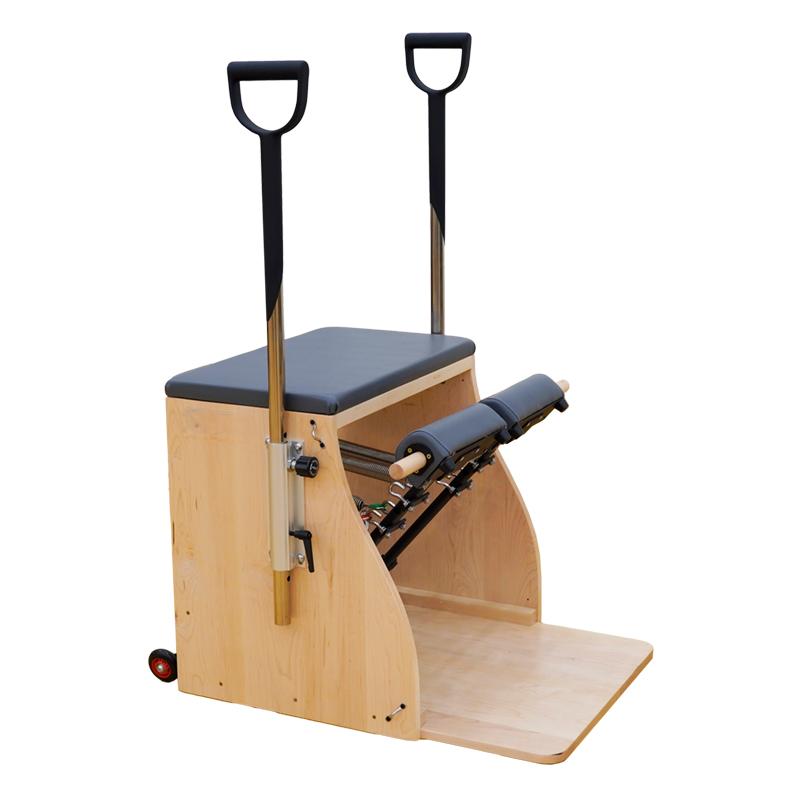
Studio owners frequently focus on price or spring resistance when evaluating a pilates chair, yet durability and aesthetic compatibility are equally important long-term investments. A pilates chair that degrades quickly or clashes with your studio's design language creates friction for both instructors and clients. This guide walks through the key selection criteria so you can confidently invest in a pilates chair that performs and looks great for years to come.
Understanding Durability in a Pilates Chair
Material Quality and Frame Construction
The durability of any pilates chair starts at the structural level. Hardwood frames, particularly those made from maple, are widely valued in the pilates equipment industry because maple offers exceptional density, resistance to warping, and a refined surface finish. When evaluating a pilates chair, examine the joinery closely. Mortise-and-tenon joints or reinforced corner blocks indicate a pilates chair built for the repeated stress of professional use. Avoid frames that rely solely on screws or staples, as these tend to loosen over time under frequent client loading.
The weight capacity rating of a pilates chair is another practical durability indicator. A well-engineered pilates chair should comfortably support the dynamic loading that occurs during pressing, stepping, and balancing exercises, not just static weight. Look for a pilates chair where the capacity rating accounts for dynamic force, which can exceed static body weight by a significant margin during active movement.
Spring and Pedal Mechanism Longevity
The spring and pedal system is the functional heart of any pilates chair. Springs on a pilates chair should be made from tempered steel with consistent tension ratings. Over time, inferior springs lose calibration, making it impossible for instructors to program reliable resistance progressions. A high-quality pilates chair uses springs that maintain their rated tension through thousands of repetitions. The pedal itself should pivot smoothly without lateral play, and the pedal attachment points should be reinforced to prevent fatigue cracking at stress concentration zones. Testing the pedal action of a pilates chair before purchase gives you a direct sense of its mechanical integrity.
Matching Pilates Chair Aesthetics to Your Studio Design
Natural Wood Finishes and Studio Environments
A pilates chair is not only a functional tool but also a visual anchor in your studio. Natural wood finishes on a pilates chair complement a wide range of interior styles, from minimalist Scandinavian-inspired spaces to warm, earthy wellness environments. Maple wood in particular offers a light, clean grain that pairs well with neutral tones, white walls, and natural-light-focused studios. When selecting a pilates chair with a natural finish, consider how the wood tone interacts with your flooring, your reformer frames, and any accent colors in the room.
A pilates chair with an unfinished or poorly sealed surface will absorb sweat, develop staining, and lose its visual appeal quickly in a professional studio environment. Confirm that the pilates chair you select has a protective lacquer or oil finish that resists moisture and body contact. This is both an aesthetic and a hygiene requirement in a studio setting where multiple clients use the same pilates chair throughout the day.
Upholstery and Color Coordination
The pedal pad upholstery on a pilates chair plays a significant role in its overall aesthetic impact. Premium vinyl or leather-grain upholstery on a pilates chair resists cracking, cleans easily, and maintains its color over extended use. When choosing upholstery for a pilates chair, select a color that either complements or intentionally contrasts with your studio palette. Black and charcoal are universally versatile choices for a pilates chair in most studio environments. If your studio features a distinctive color identity, coordinating the pilates chair upholstery to match creates a cohesive, branded environment that clients notice and appreciate.
Practical Selection Criteria for Studio Owners
Footprint, Storage, and Space Planning
A pilates chair has a relatively compact footprint compared to a reformer, making it a practical choice for studios where floor space is limited. However, the usable space around a pilates chair matters significantly for safe and effective instruction. When planning the placement of a pilates chair, allow adequate clearance on all sides for the instructor to cue, spot, and assist clients. Some pilates chair models also feature a split-pedal design that increases the range of unilateral exercises available, which may influence your spatial planning decisions.
If your studio offers group equipment classes, consider how many pilates chair units you need and how they store when not in use. A pilates chair with a sturdy but manageable weight is easier to reposition between classes. Evaluate whether the pilates chair model you are considering can be stacked or stored vertically, as this can meaningfully affect studio workflow during transitions between class formats.
Instructor Usability and Client Progression
Beyond aesthetics and durability, the best pilates chair for your studio is one that instructors can program effectively and clients can progress on confidently. A pilates chair should offer a meaningful range of spring resistance options, allowing both rehabilitation-focused and performance-focused clients to work at appropriate intensities. The spring loading interface on a pilates chair should be intuitive and quick to adjust between clients, minimizing transition time during back-to-back sessions. A pilates chair that is difficult to reconfigure disrupts class flow and adds frustration for instructors managing busy schedules.
FAQ
What wood type is best for a durable pilates chair?
Maple wood is one of the most recommended materials for a pilates chair frame because of its hardness, density, and resistance to warping. A maple pilates chair withstands the repeated mechanical stress of professional studio use while maintaining a clean, attractive appearance that suits most studio aesthetics.
How many springs should a quality pilates chair have?
Most professional pilates chair models feature two to four springs with varying tension levels. A well-configured pilates chair allows instructors to combine or isolate springs to create a wide resistance range. This flexibility is essential for serving diverse client populations on the same pilates chair within a single studio environment.
How do I maintain a pilates chair for long-term use?
Regular maintenance of a pilates chair includes wiping down the upholstery after each session, inspecting spring hooks for wear or deformation quarterly, and checking all bolts and joint connections every few months. Applying a wood-safe conditioner to the pilates chair frame once or twice a year helps preserve the finish and prevent surface drying or cracking in climate-controlled studio environments.