 EN
EN

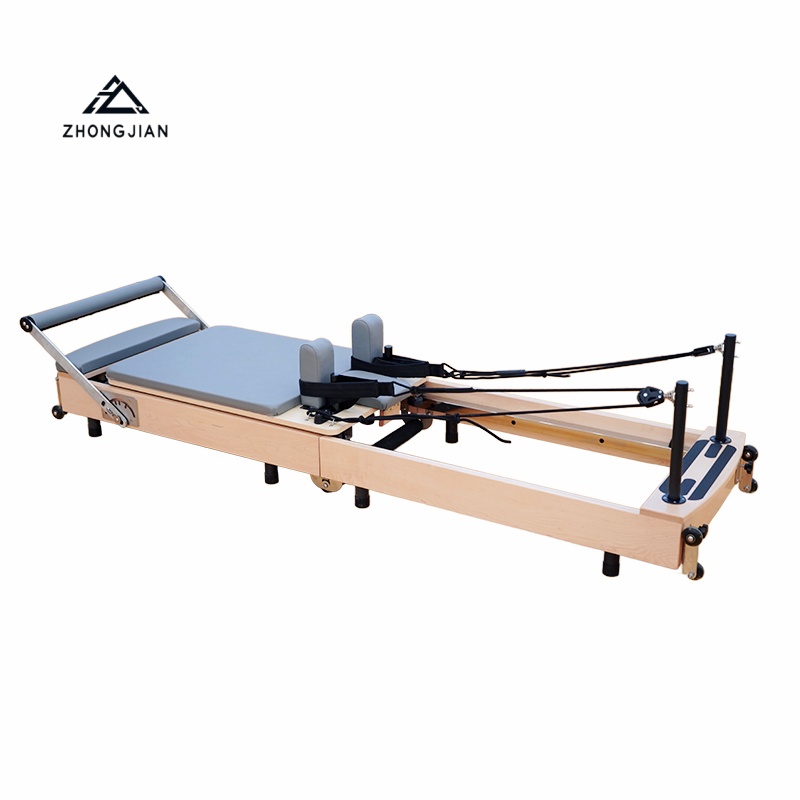
A reformer with tower is one of the most complete Pilates training systems available today. It combines the classic sliding carriage mechanism of a standard reformer with a vertical tower frame that adds spring-loaded attachment points above the body. This dual structure allows practitioners to target flexibility and core strength from multiple angles within a single piece of equipment, making the reformer with tower exceptionally efficient for both studio and home use.
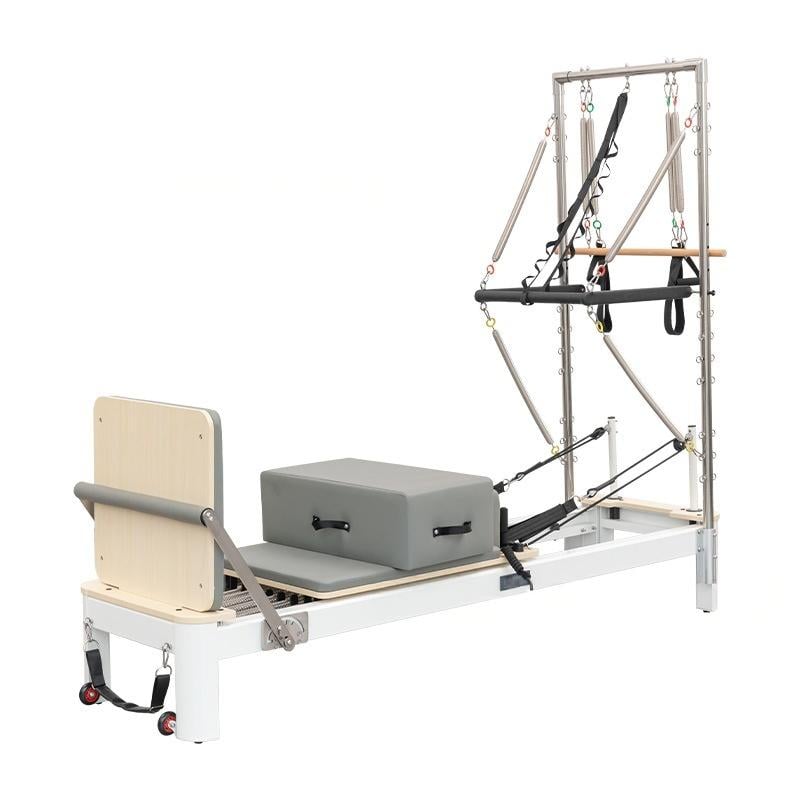
Understanding how a reformer with tower enhances flexibility and core strength requires looking at both its mechanical design and how that design translates into specific training benefits. The reformer with tower creates constant, adjustable resistance through its spring system, which challenges stabilizer muscles and lengthens tissues simultaneously. When used consistently and correctly, a reformer with tower can deliver measurable gains in spinal mobility, hip flexibility, and deep abdominal engagement that are difficult to replicate with floor-based Pilates alone.
The Mechanical Advantage of a Reformer with Tower
How the Spring System Drives Flexibility Gains
The defining feature of a reformer with tower is its layered spring resistance system. On the horizontal reformer bed, springs connect the carriage to the frame and allow smooth, controlled motion under load. On the vertical tower component, additional springs attach at various heights, enabling overhead, diagonal, and lateral resistance patterns. This means a reformer with tower does not simply push or pull in one direction — it can challenge the body through multiple planes of movement. Flexibility improves most effectively when muscles are lengthened under controlled load rather than passive stretching alone, and the reformer with tower delivers exactly that kind of active, loaded elongation.
When a practitioner performs a leg spring series on a reformer with tower, the legs move through large ranges of motion while the core stabilizes the pelvis. The springs provide just enough resistance to keep muscles engaged throughout the entire arc of movement, preventing the collapse that often limits flexibility progress in unloaded stretching. Over repeated sessions on a reformer with tower, connective tissue adapts to these loaded ranges, resulting in lasting flexibility improvements rather than temporary looseness.
Tower Attachment Points and Range of Motion
The tower section of a reformer with tower typically features a push-through bar, roll-down bar, and multiple spring hook positions. These attachment points allow exercises that open the thoracic spine, mobilize the hip flexors, and stretch the posterior chain in ways the flat reformer carriage cannot easily replicate. For example, a standing roll-down using the tower bar on a reformer with tower creates traction along the entire spine while the practitioner controls their descent through core engagement. This combination of spinal decompression and muscle activation is a key reason why a reformer with tower is considered superior to a standard reformer for flexibility-focused training.
Core Strength Development on a Reformer with Tower
Deep Core Activation Through Instability and Resistance
Core strength in the Pilates context refers not just to surface abdominal muscles but to the deep stabilizers including the transversus abdominis, multifidus, and pelvic floor. A reformer with tower is uniquely suited to training these deep layers because the moving carriage creates an inherently unstable surface. Every movement performed on a reformer with tower requires the deep core to pre-activate and maintain spinal neutrality, even when the primary focus of the exercise is a limb movement. This constant demand for stabilization means the core is being trained throughout an entire reformer with tower session, not just during dedicated abdominal exercises.
The tower springs add an additional layer of challenge by introducing vertical and diagonal forces that the core must resist. When performing an arm spring series standing at the reformer with tower, the practitioner must maintain upright posture against the pulling resistance of the tower springs. This isometric demand on the core is highly effective for building the kind of functional strength that transfers to daily movement and athletic performance. A reformer with tower therefore develops core strength through both dynamic and isometric pathways simultaneously.
Progressive Loading for Measurable Strength Progress
One of the practical advantages of a reformer with tower is the ability to adjust spring tension precisely. As core strength improves, a practitioner can increase resistance on the reformer with tower to continue challenging the stabilizer muscles without changing the exercise itself. This progressive overload principle is fundamental to strength development and is often missing from mat-based Pilates programs. A reformer with tower allows instructors and individual users to track progression systematically, adding springs or changing attachment points as the body adapts. This structured approach to loading makes a reformer with tower an effective long-term training tool rather than a beginner-only apparatus.
Integrating Flexibility and Core Work on a Reformer with Tower
Programming a Balanced Reformer with Tower Session
The most effective way to use a reformer with tower for both flexibility and core strength is to program exercises that address these goals together rather than separately. A well-designed reformer with tower session typically begins with footwork on the carriage to warm up the legs and establish spinal alignment, then progresses to leg spring and arm spring work on the tower to introduce flexibility demands while the core is already engaged. Mid-session work on a reformer with tower often includes long spine, short spine, and elephant exercises that simultaneously mobilize the spine and challenge deep core control. Finishing a reformer with tower session with tower-based stretches for the hip flexors and hamstrings consolidates the flexibility gains made during active training.
Suitability Across Training Levels
A reformer with tower is accessible to beginners because spring resistance can be set low to reduce the challenge, while advanced practitioners can use a reformer with tower to perform complex, high-resistance movements that rival athletic conditioning programs. Rehabilitation clients benefit from a reformer with tower because its supported positions reduce joint compression while still enabling muscle activation. This versatility makes a reformer with tower a practical investment for commercial studios, physical therapy clinics, and serious home practitioners who want a single apparatus capable of supporting every stage of their training journey.
FAQ
Is a reformer with tower suitable for beginners?
Yes, a reformer with tower is well-suited for beginners because spring resistance is fully adjustable, allowing new users to start with lighter loads. The supported carriage surface also makes it easier to learn proper alignment before progressing to more demanding exercises on the reformer with tower.
How often should I train on a reformer with tower to see results?
Most practitioners see meaningful improvements in flexibility and core strength with two to three sessions per week on a reformer with tower. Consistency matters more than session length, so regular shorter sessions on a reformer with tower tend to produce better long-term results than infrequent longer workouts.
Can a reformer with tower replace a separate tower unit?
In most cases, yes. A reformer with tower integrates the key functions of a standalone tower into the reformer frame, providing push-through bar, roll-down bar, and spring attachments in one compact system. For studios with limited space, a reformer with tower offers comprehensive functionality without requiring two separate pieces of apparatus.