 EN
EN

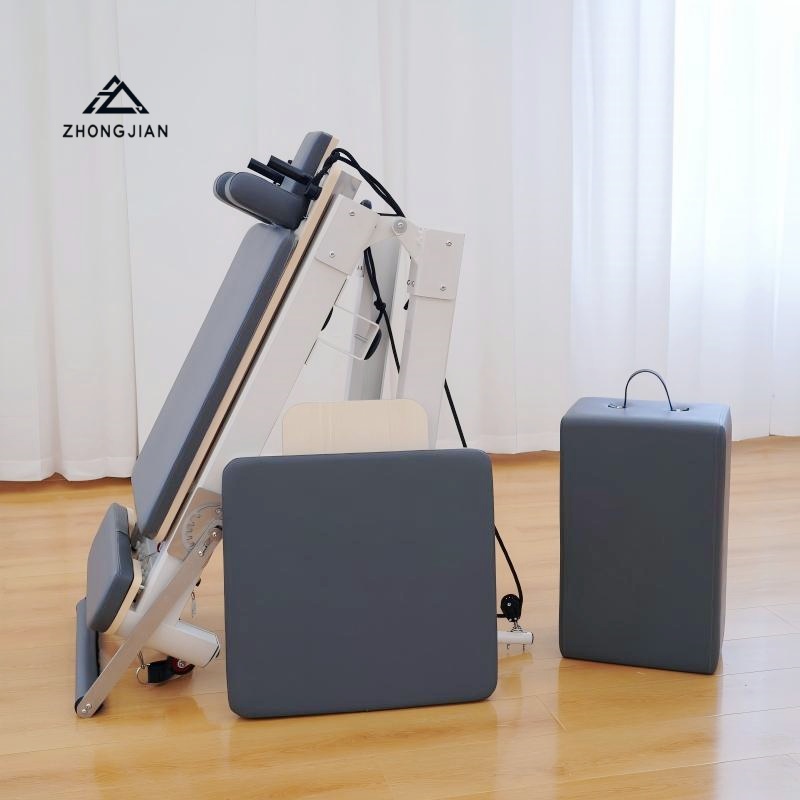
Rehabilitation centers are continuously seeking equipment that combines clinical precision with therapeutic versatility, and pilates machines have emerged as a cornerstone tool in modern recovery programs. Unlike general fitness equipment, pilates machines are engineered to deliver controlled, graduated resistance that aligns with the specific biomechanical demands of patient rehabilitation. Their ability to support low-impact, high-control movement makes pilates machines uniquely suited for clinical environments where patient safety and measurable progress are non-negotiable priorities.
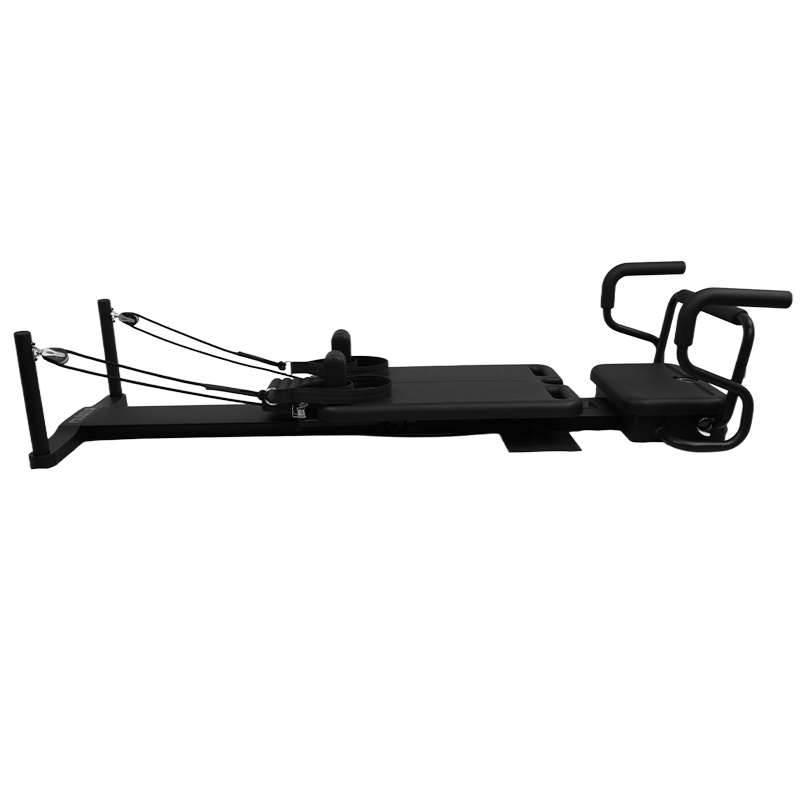
Understanding how pilates machines function within rehabilitation settings requires looking beyond basic exercise capability. High-precision pilates machines are designed with adjustable spring resistance systems, smooth carriage glides, and ergonomic alignment features that collectively allow therapists to tailor every session to each patient's current ability level. From post-surgical recovery to chronic pain management, pilates machines offer a structured movement framework that supports healing at every stage of the rehabilitation journey.
The Mechanical Design Behind Rehabilitation-Grade Pilates Machines
Precision Resistance Systems in Pilates Machines
The defining mechanical feature of high-precision pilates machines is their resistance calibration system. Unlike cable-based gym machines, pilates machines use spring-loaded resistance that provides smooth, consistent tension throughout an entire range of motion. This design characteristic is critically important in rehabilitation because it removes abrupt resistance spikes that could strain healing tissues. Therapists can configure pilates machines at very low resistance increments, allowing patients recovering from joint replacements, ligament repairs, or spinal conditions to begin therapeutic movement safely and progressively.
Pilates machines with precision-engineered carriage systems also reduce shear forces on joints, making them far more suitable for rehabilitative use than standard resistance machines. The horizontal sliding motion characteristic of pilates machines minimizes gravitational loading while still challenging neuromuscular control. This balance between challenge and protection is exactly what rehabilitation professionals need when designing progressive recovery protocols using pilates machines.
Structural Stability and Patient Safety in Pilates Machines
High-precision pilates machines are built to support patients who may have limited strength, compromised balance, or post-operative movement restrictions. The stable frame construction of clinical-grade pilates machines provides a secure movement environment, reducing the risk of unexpected instability that could lead to reinjury. Many advanced pilates machines also incorporate adjustable footbars, padded shoulder rests, and variable carriage stop positions, all of which enable therapists to customize the exercise geometry for individual patient anatomy. This level of structural adaptability makes pilates machines a highly effective tool across diverse patient populations within rehabilitation centers.
How Pilates Machines Address Core Rehabilitation Goals
Restoring Functional Movement Patterns with Pilates Machines
One of the most important rehabilitation goals is restoring functional movement patterns that patients use in everyday life. Pilates machines are exceptionally effective at targeting these patterns because their design encourages coordinated, whole-body movement rather than isolated muscle activation alone. When patients use pilates machines under therapist supervision, they retrain the neuromuscular pathways responsible for posture, balance, and coordinated limb movement. This makes pilates machines especially valuable for patients recovering from neurological conditions, stroke, or orthopedic injuries that disrupt normal movement sequencing.
Pilates machines also support spinal decompression and core stabilization, two goals that appear consistently across rehabilitation programs for back pain, herniated discs, and scoliosis management. The gentle traction effect available on well-calibrated pilates machines creates space between vertebrae during controlled movement exercises, providing both symptom relief and long-term postural improvement. Rehabilitation centers that integrate pilates machines into their treatment protocols often report faster patient progression milestones compared to facilities using only traditional physiotherapy equipment.
Progressive Loading Strategies Using Pilates Machines
Effective rehabilitation demands carefully staged increases in physical demand, and pilates machines provide an ideal platform for implementing progressive loading strategies. Because pilates machines allow resistance adjustments in very fine increments, therapists can introduce small increases in challenge without exposing patients to overload risk. This precision progression is particularly important during early-phase rehabilitation, where tissue healing is still active and any excessive load could set recovery back significantly. Pilates machines give clinicians the control they need to pace advancement with confidence.
As patients move through intermediate and advanced rehabilitation phases, pilates machines continue to offer sufficient challenge through higher resistance settings, unstable surface attachments, and multi-planar movement demands. This scalability ensures that pilates machines remain relevant and effective throughout the full rehabilitation continuum, from initial mobility restoration through to functional performance training. Rehabilitation centers benefit greatly from investing in pilates machines that grow with the patient's recovery trajectory rather than requiring equipment changes at each program stage.
Integration of Pilates Machines into Clinical Rehabilitation Workflows
Therapist-Led Protocols Built Around Pilates Machines
In clinical settings, the value of pilates machines is amplified when they are integrated into structured, evidence-informed treatment protocols. Physical therapists and rehabilitation specialists use pilates machines as a primary intervention platform, designing session-by-session progressions that align with patient diagnosis, surgical history, and functional goals. The intuitive adjustability of pilates machines means that therapists can make real-time modifications during a session, responding immediately to patient feedback or observed movement quality. This dynamic responsiveness is a key reason why pilates machines have gained strong clinical credibility in rehabilitation medicine.
Pilates machines also support group rehabilitation classes when multiple units are available, enabling centers to deliver cost-effective, supervised therapy to several patients simultaneously. Group formats using pilates machines can be structured so that each participant works at their own resistance level and range, maintaining therapeutic individualization within a shared session environment. This flexibility makes pilates machines a practical investment for rehabilitation centers managing high patient volumes.
Tracking Patient Progress with Pilates Machines
Modern high-precision pilates machines increasingly incorporate digital monitoring features that allow therapists to record resistance settings, range of motion data, and session frequency. This data capability transforms pilates machines from passive exercise tools into active progress-tracking systems. When rehabilitation centers use pilates machines with data logging functions, they can generate objective evidence of patient improvement, supporting clinical decision-making and insurance documentation requirements. The ability to track outcomes systematically reinforces the professional and clinical standing of pilates machines within medical rehabilitation contexts.
FAQ
What patient conditions benefit most from pilates machines in rehabilitation?
Pilates machines are particularly beneficial for patients recovering from orthopedic surgeries, spinal conditions, chronic back pain, neurological impairments, and sports injuries. Their controlled resistance and low-impact design make pilates machines suitable for a wide range of diagnoses commonly treated in rehabilitation centers.
How do pilates machines differ from standard gym equipment in clinical use?
Unlike standard gym equipment designed for general fitness, pilates machines offer fine-increment resistance adjustment, joint-protective movement mechanics, and ergonomic configurability. These features make pilates machines specifically appropriate for therapeutic use, where patient safety, movement precision, and individualized progression are essential clinical requirements.
How many pilates machines does a rehabilitation center typically need?
The number of pilates machines a rehabilitation center needs depends on patient volume, session structure, and available floor space. Many centers begin with two to four pilates machines and expand as demand grows. Having multiple pilates machines allows centers to run parallel individual sessions or small group rehabilitation classes efficiently.