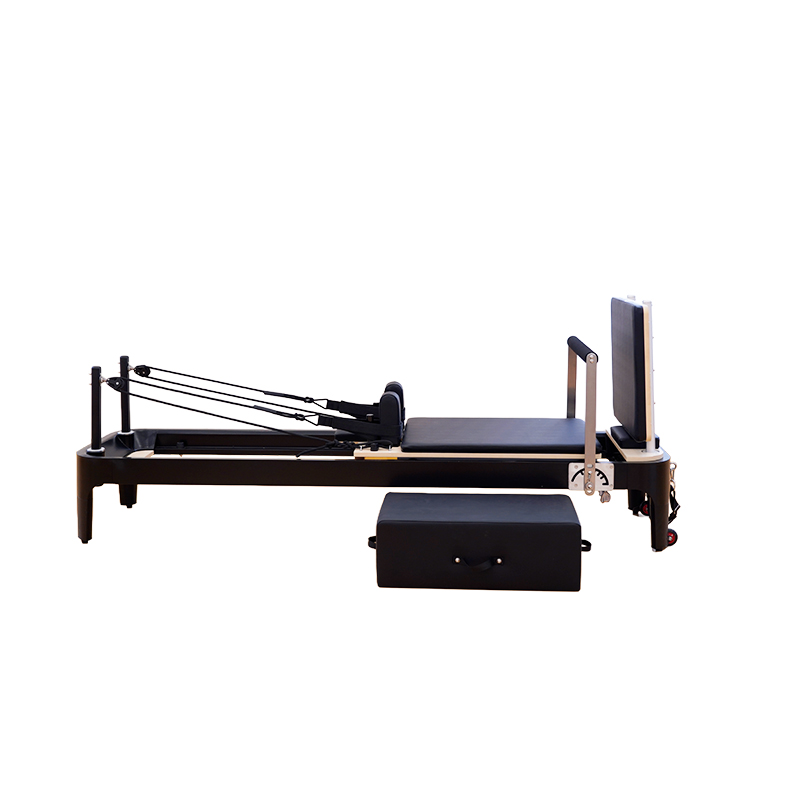
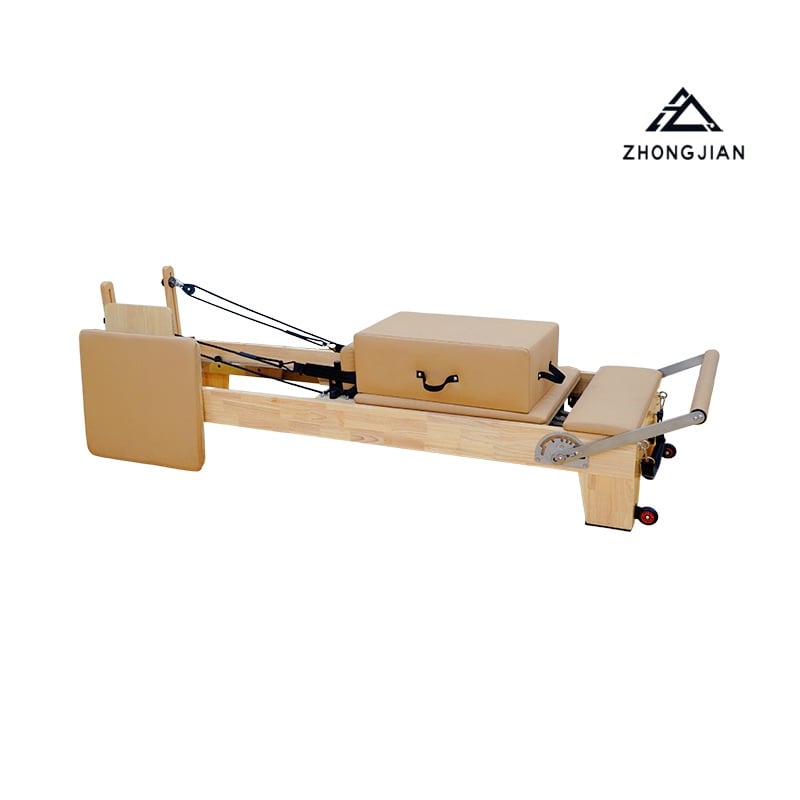
Selecting the appropriate pilates reformer for commercial fitness facilities requires careful consideration of multiple factors that directly impact member satisfaction, instructor efficiency, and long-term operational success. Commercial environments present unique challenges that differ significantly from home use scenarios, demanding equipment that can withstand intensive daily usage while maintaining consistent performance standards. Understanding the key specifications, durability requirements, and feature sets that define professional-grade pilates reformer equipment becomes essential for fitness facility owners, studio managers, and equipment procurement specialists making significant capital investments.

Commercial Grade Construction Standards
Frame Materials and Structural Integrity
Commercial pilates reformer units must feature robust construction materials capable of supporting continuous high-intensity usage patterns throughout extended operating hours. Professional-grade reformers typically incorporate heavy-duty steel or aluminum frames with reinforced welding points and enhanced joint connections to prevent structural fatigue over time. The frame design should accommodate users weighing up to 350 pounds while maintaining stability during dynamic movements and resistance exercises.
Quality commercial reformers utilize powder-coated finishes or anodized aluminum surfaces that resist scratches, chips, and corrosion from frequent cleaning protocols required in professional fitness environments. These protective coatings extend equipment lifespan while maintaining aesthetic appeal despite intensive daily usage. Frame construction should also incorporate precise tolerances and manufacturing standards that ensure smooth carriage movement and consistent spring tension across multiple repetitions.
Carriage Systems and Rail Technology
The carriage system represents the most critical mechanical component of any pilates reformer, requiring precision engineering to deliver smooth, silent operation throughout thousands of movement cycles. Commercial-grade units feature ball-bearing or sealed bearing systems mounted on precision-machined steel rails that maintain consistent tracking and eliminate lateral movement or wobbling during exercises. Superior rail systems incorporate hardened steel surfaces with micro-polished finishes that reduce friction and wear over extended periods.
Professional reformer carriages should include adjustable wheel systems that allow technicians to fine-tune tracking alignment and compensate for normal wear patterns. Quality carriages also feature reinforced mounting points for shoulder blocks, foot bars, and accessory attachments that maintain secure connections despite repeated adjustments and repositioning throughout daily class schedules.
Spring Resistance Systems and Calibration
Spring Quality and Tension Consistency
Spring resistance systems form the foundation of effective pilates reformer training, requiring consistent tension characteristics and reliable performance across thousands of exercise repetitions. Commercial pilates reformer units utilize precision-manufactured springs with controlled tension ratings and minimal variation between individual units. Professional-grade springs maintain their tension characteristics over extended periods without significant degradation or loss of resistance properties.
Quality spring systems incorporate color-coded identification systems that allow instructors to quickly identify appropriate resistance levels for different exercises and client capabilities. Spring attachment mechanisms should feature secure connection points with safety releases that prevent accidental disconnection during vigorous movements while allowing rapid adjustments between exercises or participants.
Resistance Range and Adjustment Mechanisms
Comprehensive resistance systems provide multiple spring configurations that accommodate users ranging from rehabilitation patients to advanced athletes. Commercial pilates reformer units typically offer four to five spring positions with varying tension levels that can be combined to create progressive resistance patterns suitable for diverse training applications. Quick-release spring mechanisms enable efficient transitions between exercises without disrupting class flow or requiring excessive setup time.
Professional reformers should include clearly marked spring tension indicators and standardized calibration systems that ensure consistent resistance levels across multiple units within the same facility. This standardization allows instructors to provide precise guidance regarding spring settings while ensuring equivalent workout intensities regardless of which specific reformer clients utilize during their sessions.
Space Efficiency and Facility Integration
Footprint Optimization and Storage Solutions
Commercial fitness facilities require pilates reformer configurations that maximize floor space utilization while accommodating multiple units for group classes and individual training sessions. Modern commercial reformers feature compact designs that minimize footprint requirements without sacrificing functionality or exercise range. Some advanced units incorporate folding mechanisms or vertical storage capabilities that allow facilities to reconfigure spaces for different activities throughout the day.
Strategic placement considerations include adequate clearance zones around each pilates reformer unit to ensure safe operation and easy access for instructors providing assistance or corrections. Professional installations typically require minimum spacing specifications between adjacent units while maintaining clear pathways for emergency access and routine maintenance activities.
Multi-User Configuration and Class Management
Group class environments require pilates reformer arrangements that facilitate instructor visibility and participant supervision while enabling efficient transitions between exercises. Commercial units should accommodate varying user heights and body proportions through comprehensive adjustment mechanisms that can be quickly modified between class participants. Standardized adjustment systems across multiple reformer units ensure consistent setup procedures and reduce transition time between users.
Advanced commercial pilates reformer systems may incorporate digital tracking capabilities or integrated timing systems that enhance class coordination and progress monitoring. These technological features support structured class formats while providing valuable data regarding equipment utilization and maintenance scheduling requirements.
Technology Integration and Smart Features
Digital Monitoring and Performance Tracking
Modern commercial pilates reformer equipment increasingly incorporates digital technology features that enhance user experience and provide valuable operational insights for facility management. Smart reformers may include integrated sensors that monitor movement patterns, resistance levels, and repetition counts while providing real-time feedback regarding form and technique. These technological capabilities support both individual training goals and instructor-led class management.
Digital integration features can include connectivity options for mobile applications, workout tracking systems, and facility management software that streamlines scheduling, maintenance tracking, and equipment utilization analysis. Some advanced commercial reformers incorporate interactive displays or projection systems that enhance guided workout experiences and provide visual form corrections.
Maintenance Monitoring and Predictive Analytics
Smart pilates reformer systems can include automated monitoring capabilities that track component wear patterns, usage frequencies, and maintenance requirements. These predictive analytics features help facility managers optimize maintenance schedules, reduce unexpected equipment failures, and extend overall equipment lifespan through proactive component replacement strategies.
Advanced monitoring systems may provide remote diagnostic capabilities that enable manufacturers or service technicians to assess equipment performance and identify potential issues before they impact facility operations. This technological approach reduces downtime and ensures consistent equipment availability for scheduled classes and training sessions.
Safety Features and Compliance Standards
User Safety Mechanisms and Emergency Protocols
Commercial pilates reformer equipment must incorporate comprehensive safety features that protect users during normal operation while providing emergency stop mechanisms for unexpected situations. Professional-grade units include secure locking mechanisms for adjustable components, non-slip surfaces on platforms and foot bars, and protective padding in areas where user contact occurs during exercises.
Quality commercial reformers feature rounded edges, smooth surfaces, and protective covers over mechanical components that eliminate pinch points or contact hazards during operation. Spring attachment systems should include safety mechanisms that prevent accidental disconnection while allowing rapid emergency release if necessary during training sessions.
Regulatory Compliance and Certification Requirements
Commercial fitness equipment must meet specific regulatory standards and certification requirements that vary by jurisdiction and facility type. Professional pilates reformer installations should comply with relevant safety standards, accessibility requirements, and insurance specifications that protect both facility operators and equipment users. Proper certification documentation supports liability protection and regulatory compliance efforts.
Quality manufacturers provide comprehensive documentation regarding safety certifications, testing protocols, and compliance verification that supports facility licensing and insurance requirements. This documentation becomes particularly important for facilities serving diverse populations or operating under specific regulatory oversight requirements.
Maintenance Requirements and Operational Considerations
Preventive Maintenance Protocols
Commercial pilates reformer equipment requires systematic maintenance protocols that preserve performance characteristics while extending operational lifespan under intensive usage conditions. Regular maintenance activities include lubrication of moving components, spring tension verification, carriage alignment checks, and safety mechanism testing to ensure consistent operation and user safety.
Professional maintenance schedules should address both routine cleaning requirements and mechanical inspection intervals based on usage frequency and manufacturer recommendations. Proper maintenance protocols help prevent unexpected equipment failures while maintaining warranty coverage and ensuring optimal performance throughout the equipment lifecycle.
Service Support and Parts Availability
Commercial equipment investments require reliable service support networks and readily available replacement parts to minimize operational disruptions. Quality pilates reformer manufacturers provide comprehensive service programs that include technical support, maintenance training, and expedited parts delivery to ensure minimal downtime when service issues arise.
Long-term operational success depends on manufacturer stability, service network coverage, and parts availability over the expected equipment lifespan. Facilities should evaluate manufacturer service capabilities and regional support infrastructure when making equipment selection decisions to ensure adequate support throughout the ownership period.
Cost Analysis and Return on Investment
Initial Investment and Financing Options
Commercial pilates reformer acquisitions represent significant capital investments that require careful financial analysis and planning. Professional-grade equipment costs vary substantially based on features, technology integration, and manufacturer specifications. Facilities must balance initial investment requirements against expected revenue generation and operational efficiency improvements.
Many commercial equipment suppliers offer flexible financing options, leasing programs, or bulk purchase discounts that can improve cash flow management and reduce initial capital requirements. These financing alternatives may include maintenance packages or upgrade options that provide additional value and operational flexibility over the equipment lifecycle.
Revenue Generation and Utilization Optimization
Successful pilates reformer investments require strategic planning regarding class scheduling, pricing structures, and utilization optimization to achieve positive returns. High-quality commercial reformers support premium pricing strategies while enabling efficient class formats that maximize revenue per square foot of facility space.
Facilities should analyze local market conditions, competitive pricing, and demographic factors when projecting revenue potential from pilates reformer programs. Quality equipment supports diverse program offerings including group classes, personal training sessions, and specialized rehabilitation services that can generate multiple revenue streams from the same equipment investment.
FAQ
What distinguishes commercial pilates reformer equipment from residential units
Commercial pilates reformer equipment features heavy-duty construction materials, reinforced frame designs, and enhanced component specifications that support intensive daily usage patterns. Professional units typically accommodate higher weight capacities, provide more durable spring systems, and include comprehensive safety features required for multi-user environments. Commercial reformers also meet specific regulatory standards and certification requirements necessary for professional fitness facilities.
How many pilates reformer units does a commercial facility typically require
Facility requirements depend on class sizes, scheduling demands, and available floor space. Most commercial studios accommodate 6-12 reformer units for group classes, while larger facilities may require 15-20 units to support multiple simultaneous sessions. Proper planning considers peak usage periods, maintenance rotation schedules, and future expansion possibilities when determining optimal equipment quantities for specific facility requirements.
What maintenance intervals are recommended for commercial pilates reformer equipment
Commercial reformers require daily cleaning and basic inspection, weekly mechanical checks including spring tension and carriage alignment, and monthly comprehensive maintenance including lubrication and safety mechanism testing. Quarterly professional inspections should address component wear patterns and replacement needs. High-usage facilities may require more frequent maintenance intervals based on utilization levels and manufacturer recommendations for optimal performance and safety.
How do smart features impact commercial pilates reformer selection decisions
Smart technology features can enhance user experience through performance tracking, form feedback, and progress monitoring capabilities. However, facilities should evaluate technology integration costs against actual user demand and operational benefits. Some advanced features may increase maintenance complexity or require ongoing software support. The decision should balance technological capabilities with practical operational requirements and budget considerations for long-term success.
Table of Contents
- Commercial Grade Construction Standards
- Spring Resistance Systems and Calibration
- Space Efficiency and Facility Integration
- Technology Integration and Smart Features
- Safety Features and Compliance Standards
- Maintenance Requirements and Operational Considerations
- Cost Analysis and Return on Investment
-
FAQ
- What distinguishes commercial pilates reformer equipment from residential units
- How many pilates reformer units does a commercial facility typically require
- What maintenance intervals are recommended for commercial pilates reformer equipment
- How do smart features impact commercial pilates reformer selection decisions