The modern fitness and rehabilitation landscape has evolved significantly, with professional facilities recognizing the transformative power of versatile equipment. Among the most valuable additions to yoga studios and rehabilitation centers, the pilates reformer stands as a cornerstone piece that bridges therapeutic exercise with comprehensive fitness training. This sophisticated apparatus has revolutionized how practitioners approach movement therapy, strength building, and postural correction, making it an indispensable investment for forward-thinking facility owners.

Professional wellness centers worldwide have discovered that incorporating a pilates reformer into their equipment arsenal dramatically expands their service offerings while attracting diverse clientele. The apparatus serves multiple populations simultaneously, from athletes seeking performance enhancement to individuals recovering from injuries under professional guidance. This versatility translates directly into increased revenue potential and enhanced client satisfaction, positioning facilities at the forefront of integrated wellness approaches.
Understanding the Pilates Reformer Foundation
Core Components and Functionality
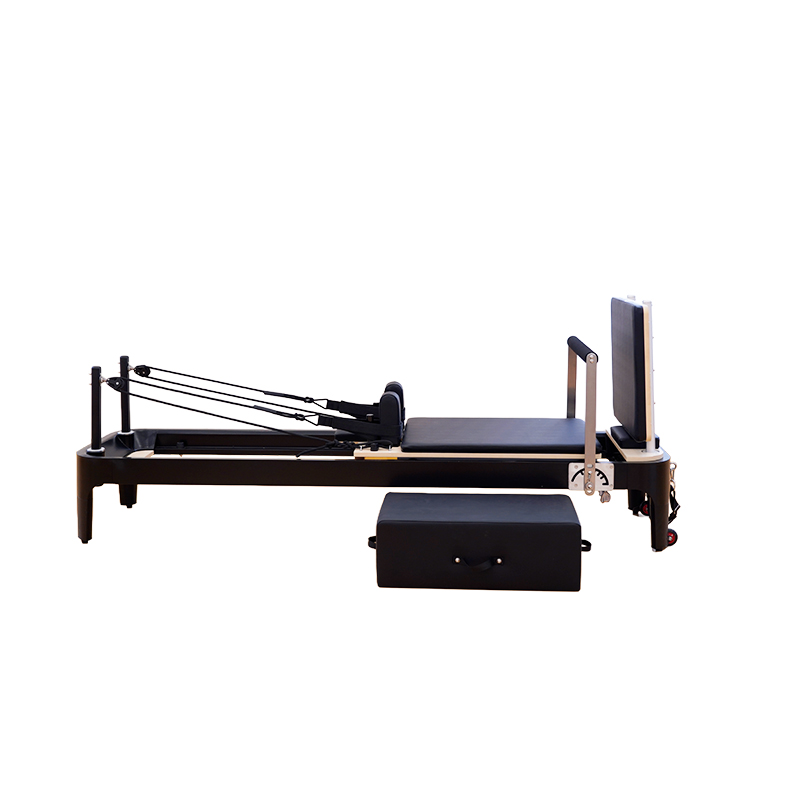
The pilates reformer represents a masterful engineering achievement, combining spring-based resistance with sliding carriage mechanics to create infinite exercise possibilities. The apparatus features adjustable springs that provide variable resistance levels, accommodating users from complete beginners to advanced practitioners. The sliding carriage moves smoothly along rails, allowing for controlled movement patterns that emphasize proper form and muscle engagement throughout the full range of motion.
Professional-grade models incorporate precision-manufactured components that ensure consistent performance over thousands of sessions. The foot bar adjusts to multiple positions, enabling exercises targeting different muscle groups and movement planes. Shoulder blocks provide stability during supine exercises, while the rope and pulley system adds upper body training dimensions that complement the carriage-based movements.
Modern pilates reformer designs integrate ergonomic considerations that enhance user comfort while maintaining therapeutic effectiveness. The padded carriage surface supports various body positions, while strategically placed handles and straps facilitate smooth transitions between exercises. These thoughtful design elements contribute to the apparatus's reputation as both a rehabilitation tool and fitness enhancement system.
Therapeutic Applications and Benefits
The therapeutic applications of a pilates reformer extend far beyond traditional fitness training, encompassing rehabilitation protocols developed by physical therapists and movement specialists. The controlled resistance environment allows practitioners to work within pain-free ranges of motion while gradually building strength and mobility. This makes the apparatus particularly valuable for post-injury recovery and chronic condition management.
Spinal rehabilitation represents one of the most significant therapeutic applications, with the pilates reformer providing unparalleled support for core strengthening and postural correction. The apparatus enables precise control over spinal alignment during movement, allowing practitioners to retrain movement patterns while building the deep stabilizing muscles essential for long-term spinal health. This controlled environment reduces the risk of compensation patterns that often develop during traditional floor-based exercises.
Joint mobility and stability improvements occur naturally through the pilates reformer's unique combination of support and challenge. The spring resistance provides assistance during difficult movement phases while offering resistance during strength-building portions of exercises. This dual-action approach accelerates rehabilitation timelines while building functional strength that translates to daily activities.
Integration with Yoga Practice Philosophy
Complementary Movement Principles
The integration of a pilates reformer within yoga-centered facilities creates a synergistic relationship that enhances both practices. Yoga's emphasis on breath awareness, mindful movement, and body-mind connection aligns perfectly with the controlled, flowing movements facilitated by the reformer apparatus. This combination allows practitioners to explore familiar yoga concepts through a different physical medium, deepening their understanding of movement principles.
The apparatus supports modified yoga poses that may be challenging on a traditional mat, making advanced postures accessible to practitioners with physical limitations. The spring assistance helps students achieve proper alignment in poses like backbends and inversions, allowing them to experience the energetic benefits without compromising safety. This accessibility factor significantly expands the potential client base for yoga studios seeking to serve diverse populations.
Breath coordination becomes more intuitive when working with the pilates reformer, as the rhythmic nature of carriage movement naturally synchronizes with breathing patterns. Students develop greater proprioceptive awareness as they coordinate breath, movement, and resistance, skills that directly transfer to their mat-based yoga practice. This enhanced body awareness often accelerates progress in both modalities.
Enhanced Flexibility and Strength Development
The pilates reformer offers unique advantages for developing both flexibility and strength simultaneously, addressing the balanced approach central to yoga philosophy. Unlike traditional strength training that often shortens muscles, the apparatus promotes lengthening and strengthening concurrently. This approach aligns with yoga's goal of creating strong, supple bodies capable of sustained practice over decades.
Dynamic stretching becomes more effective when performed with the controlled resistance provided by the pilates reformer springs. The apparatus allows for progressive deepening of stretches while maintaining muscular engagement, preventing the passive overstretching that can lead to injury. This active flexibility development creates more stable and sustainable improvements in range of motion.
Core integration occurs naturally during pilates reformer exercises, supporting the yoga concept of drawing strength from the body's center. Every movement requires coordinated engagement of deep abdominal muscles, pelvic floor, and spinal stabilizers, creating the strong foundation necessary for advanced yoga poses. This comprehensive core development enhances students' ability to access challenging postures safely and maintain them with greater ease.
Rehabilitation Center Implementation
Clinical Applications and Protocols
Rehabilitation centers have embraced the pilates reformer as a cornerstone of evidence-based treatment protocols, recognizing its effectiveness in addressing diverse musculoskeletal conditions. Physical therapists utilize the apparatus to create progressive loading programs that safely challenge healing tissues while maintaining proper biomechanics. The ability to modify resistance and support levels allows for precise treatment progression that matches individual recovery timelines.
Neurological rehabilitation benefits significantly from pilates reformer integration, as the apparatus provides external stability while challenging motor control and coordination. Patients recovering from stroke, traumatic brain injury, or neurological conditions can work on movement retraining in a supported environment that reduces fall risk while promoting neuroplasticity. The visual and proprioceptive feedback inherent in the apparatus accelerates motor learning processes.
Post-surgical rehabilitation protocols often incorporate pilates reformer exercises to restore function while protecting healing tissues. The controlled environment allows for early mobilization within safe parameters, preventing the deconditioning that commonly occurs during prolonged recovery periods. This early intervention approach typically results in faster return to function and reduced long-term complications.
Patient Populations and Outcomes
Diverse patient populations benefit from pilates reformer-based rehabilitation programs, from elite athletes recovering from sports injuries to elderly individuals working to maintain independence. The apparatus adapts to accommodate varying fitness levels, physical limitations, and therapeutic goals, making it suitable for comprehensive rehabilitation programs. This versatility allows facilities to serve broader patient demographics while maintaining specialized care quality.
Chronic pain management represents a significant application area where the pilates reformer demonstrates remarkable effectiveness. Patients with conditions such as fibromyalgia, chronic low back pain, and arthritis often experience reduced symptoms and improved quality of life through consistent practice. The low-impact nature of the exercises combined with the strengthening and mobility benefits addresses multiple aspects of chronic pain syndromes.
Outcome measurements consistently demonstrate superior results when pilates reformer training is incorporated into rehabilitation programs compared to traditional exercise approaches alone. Patients show improvements in strength, flexibility, balance, and functional movement quality that exceed expectations based on conventional treatment protocols. These enhanced outcomes contribute to higher patient satisfaction and improved facility reputation within the medical community.
Business Benefits for Facility Owners
Revenue Generation and Client Retention
The addition of pilates reformer equipment creates multiple revenue streams that significantly impact facility profitability. Private sessions command premium pricing due to the specialized nature of the training and the personalized attention possible with the apparatus. Small group classes offer excellent profit margins while providing more affordable options for cost-conscious clients, maximizing accessibility while maintaining revenue potential.
Client retention rates typically increase substantially following pilates reformer program implementation, as practitioners experience rapid progress and enjoy the varied workout possibilities. The apparatus prevents workout monotony by offering hundreds of exercise variations, keeping long-term members engaged and motivated. This variety also attracts fitness enthusiasts who become bored with conventional exercise routines, expanding the potential client base.
Cross-selling opportunities multiply when facilities offer pilates reformer services alongside existing programs. Yoga students often transition to reformer classes to deepen their practice or address specific physical challenges, while rehabilitation clients may continue with maintenance programs after completing therapy. This natural progression path increases lifetime client value and strengthens business sustainability.
Competitive Differentiation and Market Position
Facilities equipped with quality pilates reformer apparatus immediately distinguish themselves from competitors offering only basic fitness options. The sophisticated nature of the equipment signals commitment to providing comprehensive wellness solutions, attracting discerning clients willing to invest in their health. This premium positioning allows for higher pricing strategies while building brand reputation within the community.
Professional credibility increases when facilities demonstrate expertise in multiple movement modalities, with the pilates reformer serving as a visible symbol of advanced training capabilities. Insurance providers and medical professionals are more likely to recommend facilities that offer evidence-based rehabilitation options, creating valuable referral relationships that drive sustainable business growth.
Market expansion becomes possible as facilities equipped with pilates reformer apparatus can serve populations previously unable to access their services. Corporate wellness programs, senior communities, and medical practices seek partnerships with facilities capable of providing specialized movement therapy, opening new revenue channels beyond traditional membership models.
Selection Criteria for Professional Equipment
Quality Indicators and Performance Standards
Professional-grade pilates reformer selection requires careful evaluation of construction quality, component durability, and performance consistency. High-quality apparatus features precision-engineered components that maintain smooth operation through thousands of sessions while requiring minimal maintenance. The spring systems should provide consistent tension across the full range of motion, ensuring predictable resistance levels for both therapeutic and fitness applications.
Frame construction materials significantly impact long-term performance and safety, with professional facilities requiring apparatus capable of supporting intensive daily use. Hardwood frames offer traditional aesthetics and proven durability, while modern aluminum and steel construction provide enhanced stability and reduced maintenance requirements. The choice depends on facility aesthetics, budget considerations, and expected usage patterns.
Safety features deserve particular attention when selecting pilates reformer equipment for professional use, as facilities bear responsibility for user welfare during supervised and unsupervised sessions. Quality apparatus includes fail-safe mechanisms, secure attachment points, and intuitive adjustment systems that minimize user error risk. These safety considerations become critical factors in liability management and insurance compliance.
Ergonomic Design and User Experience
User experience factors directly impact client satisfaction and long-term facility success, making ergonomic design a crucial selection criterion. The pilates reformer should accommodate diverse body types and physical limitations while maintaining proper biomechanics throughout exercise performance. Adjustable components must operate smoothly and lock securely to ensure user confidence during challenging movements.
Comfort features such as padding quality, surface materials, and hardware positioning influence user enjoyment and willingness to continue programs long-term. Professional apparatus balances support with sensory feedback, providing enough cushioning for comfort without masking important proprioceptive information. These subtle design elements distinguish premium equipment from basic alternatives.
Maintenance requirements vary significantly among different pilates reformer models, with professional facilities needing equipment that maintains performance standards despite intensive use. Simple maintenance protocols that staff can perform without specialized training reduce operational costs and minimize equipment downtime. This reliability factor becomes increasingly important as facility usage levels grow.
Implementation Strategies and Best Practices
Staff Training and Certification Requirements
Successful pilates reformer program implementation requires comprehensive staff training that ensures both safety and effectiveness. Instructors must develop deep understanding of apparatus mechanics, exercise progressions, and modification techniques to serve diverse client populations safely. Professional certification programs provide the foundational knowledge necessary for confident and competent instruction.
Continuing education becomes essential as pilates reformer techniques evolve and new research emerges regarding optimal training protocols. Facilities investing in ongoing instructor development create competitive advantages through enhanced service quality and expanded program offerings. This commitment to excellence attracts both qualified staff and discerning clients who value expertise.
Safety protocols specific to pilates reformer operation must be established and consistently followed to minimize injury risk and liability exposure. Clear guidelines for equipment setup, client screening, and emergency procedures protect both users and facilities from adverse events. Regular safety training refreshers ensure staff maintain awareness of proper procedures even during busy periods.
Program Development and Class Structure
Effective pilates reformer program development begins with thorough assessment of target client populations and their specific needs. Programs should offer clear progression pathways that accommodate beginners while providing advancement opportunities for experienced practitioners. This structured approach helps clients achieve goals while creating natural retention and upselling opportunities.
Class scheduling strategies should maximize apparatus utilization while meeting client demand patterns. Mixed-level classes can work effectively with proper instructor training, while specialized sessions for specific populations may command premium pricing. The flexibility of pilates reformer training allows for creative programming that keeps schedules fresh and interesting.
Integration with existing facility offerings requires careful planning to avoid internal competition while maximizing synergies. Pilates reformer classes can complement yoga sessions by addressing strength and stability needs, while supporting rehabilitation programs through continued maintenance training. This integrated approach strengthens overall facility value proposition.
FAQ
How much space is required to install a pilates reformer in a professional facility?
A professional pilates reformer typically requires approximately 8 feet by 4 feet of floor space for the apparatus itself, plus additional clearance for safe movement around the equipment. Most facilities plan for 10 feet by 6 feet per apparatus to ensure adequate workspace for instruction and client safety. Ceiling height should be at least 8 feet to accommodate overhead exercises and tall users, though 9-10 feet is preferred for optimal functionality.
What is the expected lifespan of a commercial-grade pilates reformer with regular professional use?
High-quality commercial pilates reformer equipment typically maintains peak performance for 15-20 years with proper maintenance and regular use. The spring systems may require replacement every 3-5 years depending on usage intensity, while frame components and hardware can last the equipment's lifetime with appropriate care. Professional-grade apparatus often includes warranties covering major components for 5-10 years, reflecting manufacturer confidence in durability.
Can pilates reformer training replace traditional physical therapy exercises for rehabilitation patients?
While pilates reformer training offers exceptional therapeutic benefits, it should complement rather than completely replace traditional physical therapy approaches. The apparatus excels at addressing movement quality, core stability, and functional strength development, making it an excellent addition to comprehensive rehabilitation programs. Licensed physical therapists can integrate pilates reformer exercises into treatment plans when appropriate for specific conditions and recovery phases.
What certifications should instructors have before teaching pilates reformer classes in professional settings?
Professional pilates reformer instructors should complete comprehensive certification programs through recognized organizations such as Romana's Pilates, BASI Pilates, or Stott Pilates. These programs typically require 200-500 hours of training covering apparatus operation, exercise repertoire, anatomy, and teaching methodology. Additional specialization certifications for populations such as seniors, prenatal clients, or rehabilitation patients enhance instructor qualifications and expand program offerings.
Table of Contents
- Understanding the Pilates Reformer Foundation
- Integration with Yoga Practice Philosophy
- Rehabilitation Center Implementation
- Business Benefits for Facility Owners
- Selection Criteria for Professional Equipment
- Implementation Strategies and Best Practices
-
FAQ
- How much space is required to install a pilates reformer in a professional facility?
- What is the expected lifespan of a commercial-grade pilates reformer with regular professional use?
- Can pilates reformer training replace traditional physical therapy exercises for rehabilitation patients?
- What certifications should instructors have before teaching pilates reformer classes in professional settings?