 EN
EN

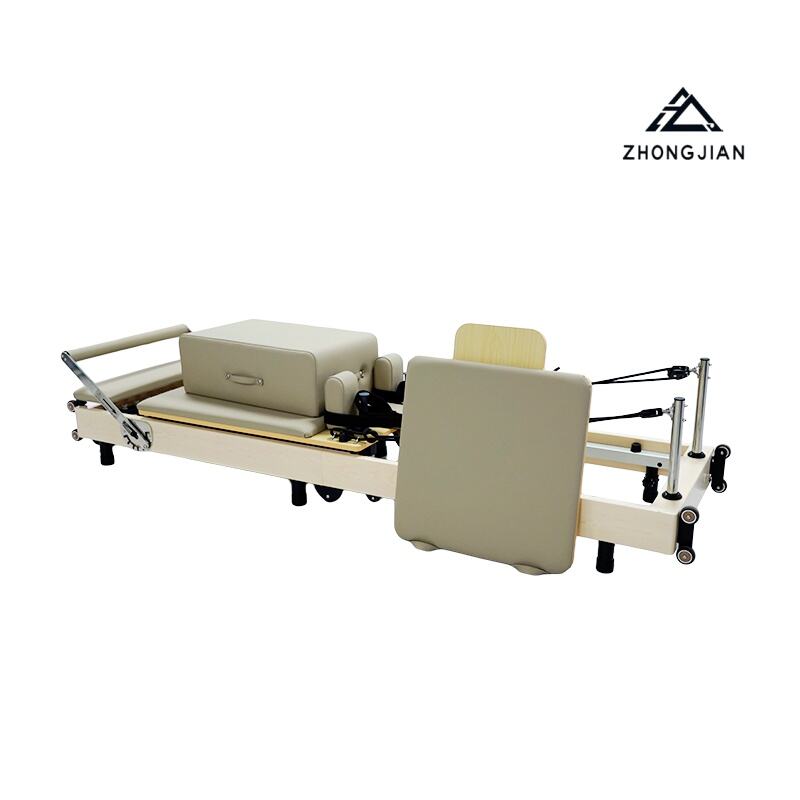
The choice between wooden and metal Pilates equipment has become increasingly significant for studio owners seeking to create the perfect training environment. While both materials offer distinct advantages, a wooden reformer excels in specific studio conditions where aesthetics, sound control, and client comfort take priority. Understanding these environments helps fitness professionals make informed decisions that enhance both the visual appeal and functional performance of their studios. Modern Pilates practitioners and instructors are discovering that the material composition of their equipment directly impacts the overall studio experience and client satisfaction levels.
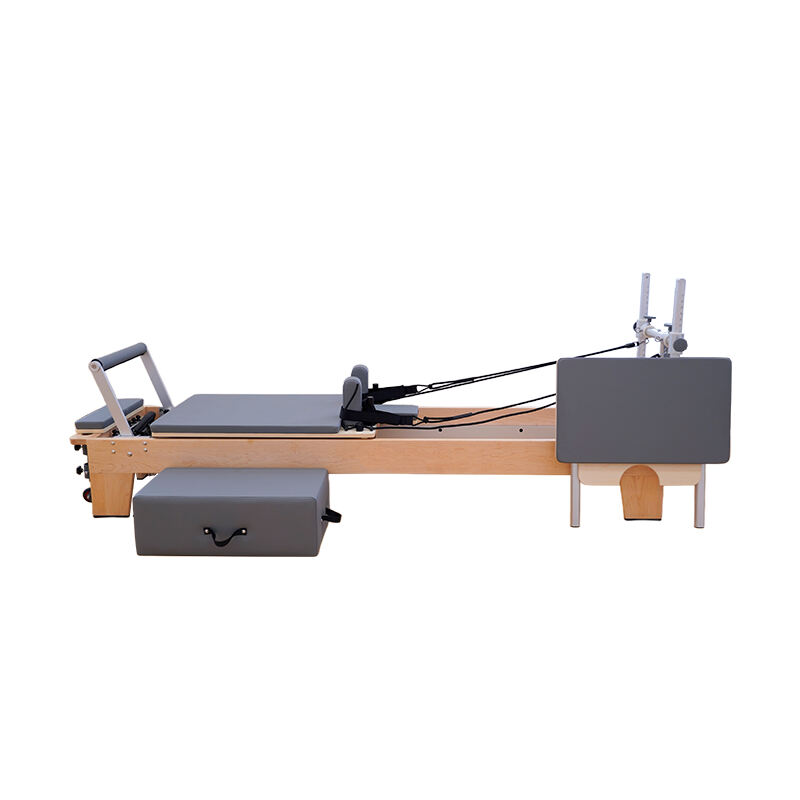
Acoustic Performance in Quiet Studio Environments
Sound Dampening Properties of Wood Materials
The natural acoustic properties of wood create a significant advantage for studios prioritizing a tranquil atmosphere. A wooden reformer naturally absorbs sound vibrations rather than amplifying them, which is particularly beneficial in multi-room facilities where noise transfer between spaces must be minimized. The dense grain structure of quality hardwood acts as a natural sound dampener, reducing the mechanical noise typically associated with spring-based equipment. This characteristic becomes especially important in upscale studios where clients expect a serene, spa-like environment during their Pilates sessions.
Studios located in residential areas or mixed-use buildings particularly benefit from the quieter operation of wooden equipment. The reduced noise footprint helps maintain positive relationships with neighboring businesses or residents while creating an atmosphere conducive to mindfulness and concentration. Professional instructors often report that the quieter operation of a wooden reformer allows for better communication with clients and eliminates the distracting metallic sounds that can interrupt the flow of a session.
Impact on Meditation and Mindfulness Practices
The acoustic benefits extend beyond simple noise reduction to support the meditative aspects of Pilates practice. Many studios integrate mindfulness techniques into their sessions, and the natural sound profile of wood supports these practices by creating a more organic, less mechanical environment. The subtle creaking and settling sounds of wood are often perceived as more natural and less jarring than the sharp metallic sounds produced by metal equipment under load.
Instructors teaching contemplative movement styles find that wooden reformers support the mental aspects of Pilates practice more effectively. The reduced mechanical noise allows practitioners to focus more deeply on breath work, body awareness, and the subtle sensations of movement without the distraction of equipment sounds. This enhanced focus often leads to better form, increased body awareness, and improved overall session outcomes for clients seeking both physical and mental benefits from their practice.
Aesthetic Integration in Premium Studio Designs
Warm Visual Appeal and Natural Materials
High-end Pilates studios increasingly emphasize biophilic design principles that incorporate natural materials to create calming, health-promoting environments. A wooden reformer seamlessly integrates with these design philosophies, offering warm tones and natural grain patterns that complement organic design elements. The visual warmth of wood creates an inviting atmosphere that many clients find more appealing than the industrial appearance of metal equipment, particularly in boutique studios targeting wellness-conscious clientele.
The natural variation in wood grain ensures that each piece of equipment becomes unique, adding character and authenticity to the studio space. This individuality appeals to studios seeking to differentiate themselves from chain fitness facilities by creating a more personalized, artisanal atmosphere. The timeless appeal of wood also ensures that the equipment remains visually relevant as design trends evolve, providing better long-term aesthetic value for studio investments.
Cohesive Design Language Across Studio Spaces
Studios designed with consistent material palettes benefit significantly from incorporating wooden equipment that matches other natural elements throughout the space. When flooring, wall treatments, and furniture incorporate wood tones, a wooden reformer becomes part of a cohesive design language rather than standing out as purely functional equipment. This integration is particularly valuable in studios that double as wellness centers or spas, where equipment must harmonize with relaxation-focused design elements.
The ability to coordinate wood finishes across different equipment pieces and architectural elements allows designers to create sophisticated, unified spaces that feel more like wellness retreats than traditional gyms. This design cohesion often translates into higher perceived value for services, allowing studios to command premium pricing for sessions conducted in thoughtfully designed environments that prioritize both function and aesthetics.
Climate Control and Environmental Comfort
Temperature Regulation in Various Climates
The thermal properties of wood provide distinct advantages in temperature regulation, particularly important for studios in extreme climates. Unlike metal surfaces that can become uncomfortably hot or cold based on ambient temperature, wood maintains a more consistent, comfortable surface temperature. This characteristic proves especially valuable in studios without consistent climate control or those with large windows that create temperature variations throughout the day.
A wooden reformer provides a more comfortable contact surface for clients regardless of seasonal temperature changes, eliminating the shock of cold metal surfaces in winter or uncomfortably warm metal in summer. This comfort factor becomes particularly important for studios offering early morning or late evening classes when building temperatures may not be optimally regulated, ensuring client comfort throughout extended sessions.
Humidity Management and Material Stability
Quality wooden equipment, when properly treated and maintained, demonstrates excellent stability in varying humidity conditions common in active fitness environments. The natural hygroscopic properties of wood allow it to absorb and release moisture gradually, helping to moderate the microenvironment around the equipment. This characteristic proves particularly beneficial in studios located in humid climates or those with variable moisture levels due to heating and cooling systems.
Studios with hot Pilates programs or those incorporating heated elements find that wooden reformers handle moisture exposure better than some metal alternatives that may develop condensation issues. The wood's ability to manage moisture naturally contributes to a more comfortable environment and reduces the likelihood of slippery surfaces that could compromise client safety during intense sessions.
Client Comfort and Tactile Experience
Enhanced Grip and Surface Texture
The natural texture of properly finished wood provides superior grip characteristics compared to smooth metal surfaces, particularly important during challenging movements requiring hand or foot contact with the equipment frame. The slight texture of wood grain, even when smooth-finished, offers better purchase for clients' hands and feet, reducing the likelihood of slipping during exercises. This enhanced grip becomes particularly valuable during advanced movements or when clients are perspiring during intensive sessions.
The organic surface irregularities of wood provide proprioceptive feedback that many practitioners find beneficial for developing better body awareness. The subtle variations in surface texture help clients maintain better contact awareness with the equipment, contributing to improved form and reduced injury risk. This tactile advantage is especially appreciated by instructors working with clients who have balance challenges or are developing their kinesthetic awareness through Pilates practice.
Psychological Comfort and Natural Connection
The psychological impact of natural materials on human wellbeing has been extensively documented, and wooden reformers tap into these benefits by providing a more organic connection during exercise sessions. Many clients report feeling more relaxed and comfortable working with wooden equipment, attributing this preference to the material's natural warmth and familiar tactile qualities. This psychological comfort can lead to better session outcomes as clients feel more at ease with the equipment.
The biophilic connection that wood provides becomes particularly important for urban studios where clients may have limited exposure to natural materials in their daily lives. The opportunity to connect with natural materials during exercise sessions provides a subtle but meaningful enhancement to the overall wellness experience, supporting studios' goals of promoting holistic health and wellbeing through their services and environment.
Specialized Studio Applications and Use Cases
Rehabilitation and Clinical Settings
Physical therapy clinics and rehabilitation centers incorporating Pilates equipment often prefer wooden reformers for their clinical advantages. The warmer surface temperature and natural grip properties prove particularly beneficial for clients with circulation issues, arthritis, or other conditions that make them sensitive to cold or slippery surfaces. The psychological comfort associated with natural materials also supports the healing environment that rehabilitation facilities strive to create.
The reduced noise profile of wooden equipment becomes especially important in clinical settings where other treatments may be occurring simultaneously. The quieter operation allows therapists to conduct consultations and provide instruction without competing with equipment noise, improving communication and treatment outcomes. Additionally, the professional yet approachable appearance of wooden reformers helps reduce equipment intimidation for clients who may be new to movement therapy or recovering from injuries.
Prenatal and Specialized Population Programs
Studios specializing in prenatal Pilates or programs for sensitive populations benefit significantly from the comfort characteristics of wooden equipment. The temperature regulation and softer surface qualities of wood provide enhanced comfort for pregnant clients who may be more sensitive to temperature variations or uncomfortable surfaces. The reduced vibration transmission through wooden frames also creates a gentler experience for clients who may be sensitive to mechanical feedback.
The aesthetic warmth and natural appeal of wooden reformers support the nurturing environment that specialized programs require. Prenatal instructors often report that the organic appearance of wooden equipment helps create a more welcoming, less intimidating environment for clients who may be new to exercise or anxious about movement during pregnancy. This psychological comfort contributes to better program retention and more positive client experiences throughout specialized training programs.
FAQ
How does the maintenance of wooden reformers compare to metal alternatives in busy studios
Properly maintained wooden reformers require similar maintenance attention to metal equipment but with different focus areas. While metal equipment may need regular lubrication and rust prevention, wooden reformers benefit from periodic conditioning treatments and careful moisture management. The key is establishing appropriate maintenance protocols that preserve the wood's finish and structural integrity. Most quality wooden reformers are treated with durable finishes that resist wear and moisture when properly maintained, making them suitable for high-usage studio environments with proper care routines.
Can wooden reformers handle the same weight capacities and intensive use as metal models
Modern wooden reformers are engineered to meet the same structural requirements as their metal counterparts when properly constructed with appropriate hardwood species and reinforcement techniques. Quality manufacturers design wooden reformers with weight capacities and durability specifications that match industry standards for professional use. The key factors are selecting equipment from reputable manufacturers who use proper engineering principles and high-grade materials. Well-built wooden reformers can withstand intensive studio use while providing the aesthetic and comfort benefits that make them preferable in certain environments.
What types of studio clientele respond most positively to wooden reformer environments
Clients who prioritize holistic wellness experiences, natural materials, and premium service environments typically respond most favorably to wooden reformer studios. This includes wellness-focused individuals, those seeking mind-body connection through movement, and clients who value aesthetic environment as part of their fitness experience. Additionally, clients with sensitivities to cold surfaces, those participating in rehabilitation programs, and individuals who prefer quieter, more meditative exercise environments often prefer wooden equipment. Studios targeting premium market segments or those emphasizing the therapeutic and mindfulness aspects of Pilates typically see the strongest positive response to wooden reformer environments.
How do seasonal changes affect wooden reformer performance in different climates
Quality wooden reformers are designed to handle seasonal climate variations through proper wood selection, treatment, and construction techniques. While wood naturally expands and contracts with humidity changes, well-manufactured equipment incorporates design elements that accommodate these movements without affecting performance. Studios should maintain consistent humidity levels when possible and follow manufacturer guidelines for seasonal care. The thermal stability of wood actually provides advantages during seasonal transitions, as wooden reformers maintain more consistent surface temperatures than metal alternatives, ensuring client comfort regardless of seasonal building temperature variations.
Table of Contents
- Acoustic Performance in Quiet Studio Environments
- Aesthetic Integration in Premium Studio Designs
- Climate Control and Environmental Comfort
- Client Comfort and Tactile Experience
- Specialized Studio Applications and Use Cases
-
FAQ
- How does the maintenance of wooden reformers compare to metal alternatives in busy studios
- Can wooden reformers handle the same weight capacities and intensive use as metal models
- What types of studio clientele respond most positively to wooden reformer environments
- How do seasonal changes affect wooden reformer performance in different climates