 EN
EN
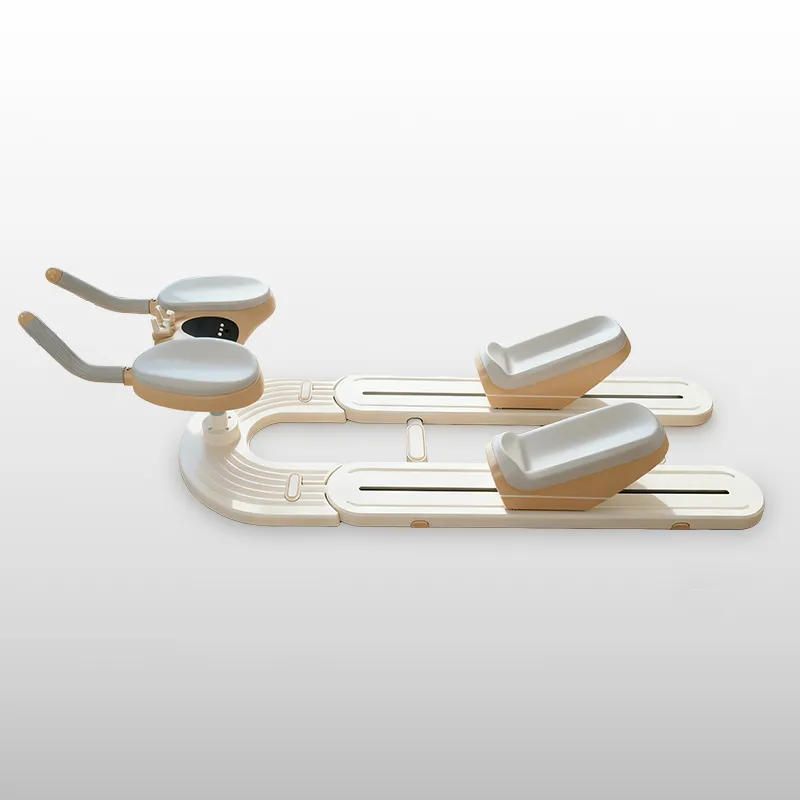
Japanese fitness distributors seeking premium spine twist equipment for their commercial clients face unique market demands that require specialized understanding of both biomechanical effectiveness and cultural fitness preferences. The growing emphasis on functional movement and core stability in Japanese fitness facilities has created substantial wholesale opportunities for distributors who can source high-quality spine twist trainers that meet strict safety standards while delivering measurable results for end users. Understanding the specific requirements of Japanese fitness centers, rehabilitation facilities, and corporate wellness programs becomes crucial for distributors aiming to establish successful long-term partnerships in this sophisticated market.
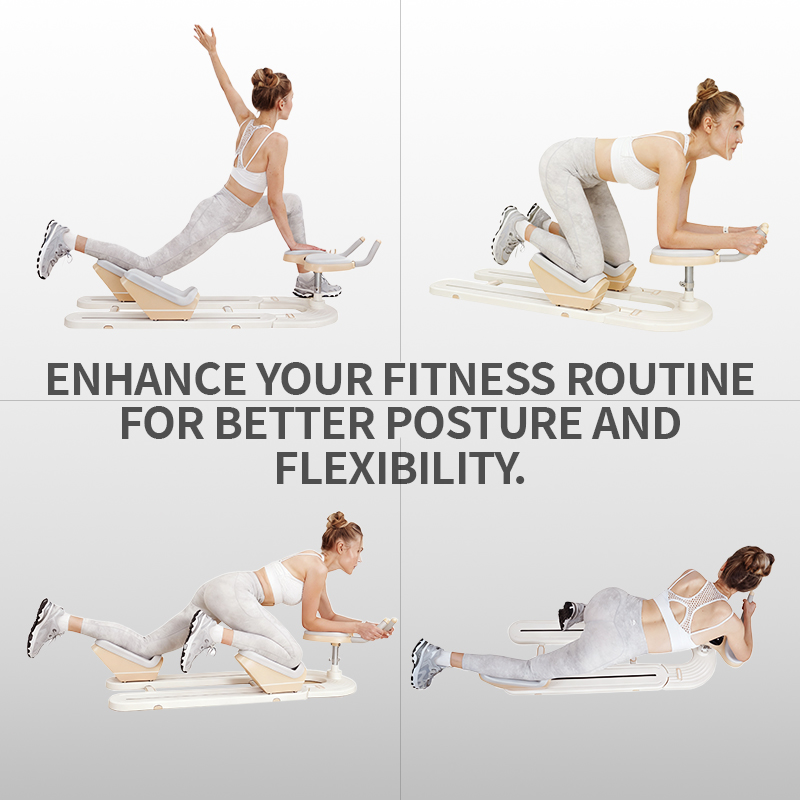
The Japanese fitness distribution landscape presents exceptional growth potential for spine twist equipment, particularly as aging demographics and sedentary work lifestyles drive increased demand for targeted spinal mobility solutions. Fitness distributors operating in Japan must navigate complex regulatory requirements, quality expectations, and cultural preferences while positioning spine twist trainers as essential tools for maintaining spinal health and functional movement patterns. Strategic wholesale partnerships require comprehensive understanding of product specifications, market positioning, and the unique value proposition that spine twist equipment offers to Japanese fitness facilities seeking to differentiate their service offerings.
Market Landscape and Distribution Opportunities in Japan
Current Fitness Equipment Demand Patterns
The Japanese fitness market demonstrates strong preference for equipment that addresses specific health concerns while maintaining compact design suitable for space-conscious facilities. Spine twist trainers align perfectly with these preferences, offering targeted spinal mobility benefits in equipment footprints that work well within typical Japanese gym layouts. Market research indicates growing demand for functional fitness equipment that supports active aging populations and office workers seeking to counteract postural problems caused by prolonged sitting.
Distribution channels in Japan favor suppliers who can demonstrate clear biomechanical benefits and provide comprehensive training support for facility staff. Spine twist equipment manufacturers who partner with knowledgeable distributors often achieve superior market penetration by emphasizing the scientific foundation behind spinal rotation exercises and their role in maintaining functional movement patterns. Japanese fitness facility operators particularly value equipment that serves multiple demographic groups while requiring minimal maintenance and delivering consistent performance over extended periods.
Regulatory and Quality Compliance Requirements
Japanese fitness equipment regulations mandate strict safety standards that spine twist distributors must understand and communicate effectively to potential clients. Compliance documentation, safety certifications, and user instruction materials must meet specific Japanese standards while maintaining clear communication about proper usage protocols and contraindications. Distributors successful in the Japanese market typically establish robust quality assurance processes that exceed minimum requirements and demonstrate ongoing commitment to user safety.
Quality expectations extend beyond basic safety compliance to encompass durability testing, material specifications, and long-term performance reliability that justifies investment decisions for fitness facility operators. Spine twist equipment distributors must provide detailed technical specifications, warranty coverage, and maintenance protocols that align with Japanese business practices emphasizing long-term value and operational efficiency. Understanding these compliance requirements enables distributors to position their spine twist products as premium solutions rather than commodity equipment.
Product Specifications and Technical Advantages
Biomechanical Design Features
Effective spine twist trainers incorporate specific design elements that maximize rotational range of motion while maintaining proper spinal alignment throughout the exercise movement. The rotation mechanism must provide smooth, controlled movement patterns that allow users to progress gradually while maintaining safety protocols essential for commercial fitness environments. Japanese fitness facilities particularly value spine twist equipment that accommodates varying user heights and flexibility levels without requiring extensive adjustment procedures.
Advanced spine twist designs feature adjustable resistance systems that enable progression from gentle mobility work to more intensive core strengthening protocols. The seat and back support systems must maintain proper pelvic positioning while allowing natural spinal rotation movement that targets both mobility and stability components of core function. These technical specifications become critical selling points for distributors working with Japanese fitness facilities that serve diverse user populations with varying fitness levels and mobility limitations.
Material Quality and Durability Standards
Commercial-grade spine twist equipment requires premium materials that withstand high-volume usage while maintaining consistent performance characteristics over extended operational periods. Steel frame construction, commercial-grade padding materials, and precision-engineered pivot mechanisms ensure that spine twist trainers deliver reliable service in demanding fitness environments. Japanese distributors must emphasize material quality as a key differentiator when competing against lower-cost alternatives that may compromise long-term performance.
Surface treatments, upholstery materials, and hardware components must meet specific durability standards while maintaining aesthetic appeal that aligns with Japanese design preferences. Spine twist equipment featuring easy-to-clean surfaces, antimicrobial treatments, and minimal maintenance requirements typically achieve stronger market acceptance among Japanese fitness facility operators who prioritize operational efficiency and user safety. These material specifications directly impact total cost of ownership calculations that influence purchasing decisions.
Target Customer Segments and Applications
Commercial Fitness Facilities
Japanese fitness centers increasingly recognize spine twist training as essential component of comprehensive core strengthening and injury prevention programs. Commercial gyms seeking to differentiate their offerings find that spine twist equipment appeals to office workers, aging adults, and athletes requiring specific spinal mobility training. The controlled movement patterns provided by quality spine twist trainers enable fitness professionals to prescribe progressive exercises that address individual mobility limitations and strength imbalances.
Corporate wellness facilities represent particularly attractive targets for spine twist equipment distribution, as companies invest in employee health solutions that address work-related postural problems. Spine twist exercises directly counteract the negative effects of prolonged sitting while providing measurable improvements in spinal mobility and core strength. Distributors who understand corporate wellness priorities can position spine twist trainers as strategic investments in employee health and productivity rather than simple exercise equipment.
Rehabilitation and Physical Therapy Centers
Physical therapy clinics and rehabilitation centers in Japan utilize spine twist equipment for controlled spinal mobility rehabilitation following injury or surgery. The adjustable resistance and supported movement patterns enable therapists to prescribe specific protocols that gradually restore normal spinal function while maintaining patient safety. Japanese healthcare facilities value spine twist equipment that provides measurable progress tracking and accommodates varying patient capabilities throughout recovery processes.
Rehabilitation applications require spine twist equipment that offers precise control over movement parameters and clear progression protocols that support clinical decision-making. The ability to isolate spinal rotation while maintaining proper postural alignment makes quality spine twist trainers valuable tools for addressing specific movement dysfunctions common in sedentary populations. Distributors targeting rehabilitation markets must emphasize clinical applications and provide comprehensive training support for healthcare professionals.
Distribution Strategy and Partnership Development
Wholesale Pricing and Volume Considerations
Successful spine twist distribution in Japan requires competitive wholesale pricing structures that enable distributors to achieve sustainable margins while remaining attractive to fitness facility operators. Volume discount tiers, payment terms, and inventory management support become crucial factors in establishing productive distributor relationships. Japanese business culture emphasizes long-term partnerships, making distributor support and reliability as important as initial pricing considerations.
Spine twist equipment pricing must reflect the premium quality and specialized functionality that justify investment for Japanese fitness facilities operating in competitive markets. Value-based pricing strategies that emphasize total cost of ownership, user satisfaction, and operational benefits typically achieve better results than purely cost-focused approaches. Distributors who understand these pricing dynamics can position spine twist equipment as strategic investments rather than equipment purchases.
Training and Support Infrastructure
Japanese fitness facility operators expect comprehensive training programs that enable their staff to effectively utilize spine twist equipment while ensuring user safety and satisfaction. Distributor partnerships must include detailed instruction protocols, safety guidelines, and progressive exercise programming that maximizes the therapeutic benefits of spinal rotation training. This educational support becomes a key differentiator in competitive distribution markets.
Ongoing technical support, maintenance protocols, and replacement part availability create additional value propositions that strengthen distributor relationships with fitness facility clients. Spine twist equipment distributors who provide responsive service support and proactive maintenance guidance typically achieve higher customer retention and referral rates. These service elements often prove more valuable than initial cost savings when facility operators evaluate long-term supplier relationships.
FAQ
What specific certifications do spine twist trainers need for Japanese fitness facilities?
Spine twist equipment intended for Japanese commercial fitness use must comply with JIS (Japanese Industrial Standards) safety requirements and obtain appropriate safety certifications from recognized testing organizations. These certifications demonstrate compliance with structural integrity, electrical safety, and user protection standards specific to commercial fitness equipment. Distributors should ensure all documentation is available in Japanese and includes proper installation, operation, and maintenance instructions that meet local regulatory requirements.
How do Japanese fitness facilities typically evaluate spine twist equipment before purchasing?
Japanese fitness facility operators generally conduct thorough evaluations that include biomechanical effectiveness assessment, user comfort testing, and long-term durability analysis before making spine twist equipment purchases. They often request demonstration periods, reference visits to existing installations, and detailed technical specifications that support informed decision-making. The evaluation process typically involves multiple stakeholders including fitness managers, physical therapists, and facility maintenance personnel who assess different aspects of equipment performance and suitability.
What are the key advantages of spine twist training that resonate with Japanese fitness consumers?
Japanese fitness consumers particularly value spine twist training for its ability to address work-related postural problems, improve functional movement patterns, and support healthy aging initiatives. The controlled, low-impact nature of spine twist exercises appeals to users seeking effective spinal mobility solutions without high injury risk. Additionally, the efficiency of spine twist training in targeting core stability and rotational strength aligns with Japanese preferences for time-effective exercise solutions that deliver measurable health benefits.
How should distributors position spine twist equipment pricing in the competitive Japanese market?
Successful spine twist equipment positioning in Japan emphasizes value proposition rather than lowest cost, highlighting superior build quality, comprehensive support services, and proven effectiveness in achieving spinal health objectives. Japanese fitness facility operators typically prioritize total cost of ownership, reliability, and user satisfaction over initial purchase price. Distributors should present detailed cost-benefit analyses that demonstrate how premium spine twist equipment delivers superior long-term value through reduced maintenance costs, higher user satisfaction, and enhanced facility reputation.
Table of Contents
- Market Landscape and Distribution Opportunities in Japan
- Product Specifications and Technical Advantages
- Target Customer Segments and Applications
- Distribution Strategy and Partnership Development
-
FAQ
- What specific certifications do spine twist trainers need for Japanese fitness facilities?
- How do Japanese fitness facilities typically evaluate spine twist equipment before purchasing?
- What are the key advantages of spine twist training that resonate with Japanese fitness consumers?
- How should distributors position spine twist equipment pricing in the competitive Japanese market?