 EN
EN
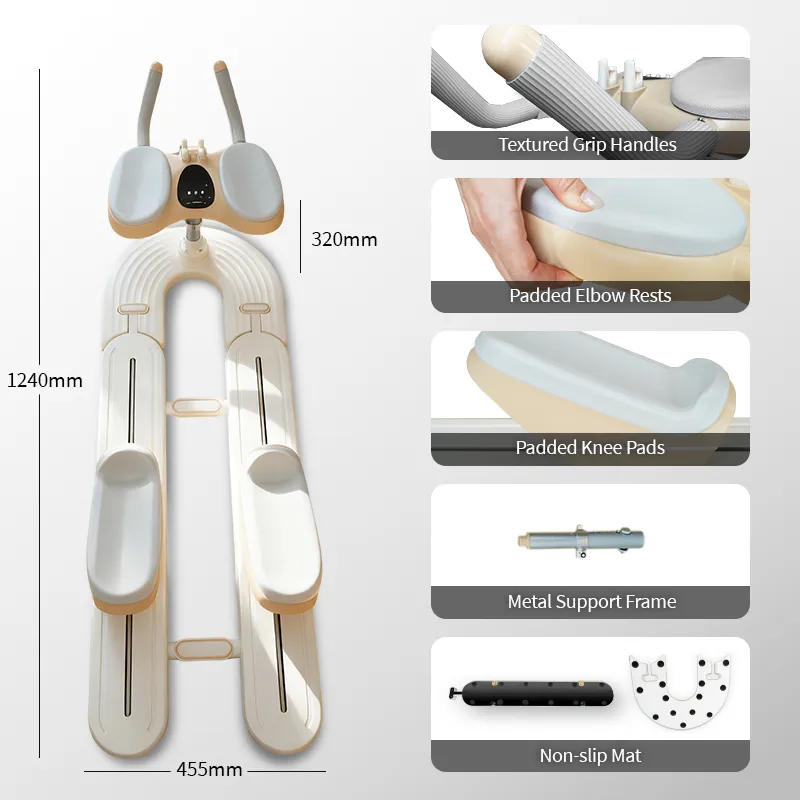
Japan's home fitness market has experienced unprecedented growth, with wholesalers increasingly seeking spine twist equipment to meet the demanding needs of health-conscious consumers. The spine twist exercise targets core muscles and spinal mobility, making it an essential component for any comprehensive home gym setup that Japanese consumers expect from quality fitness equipment.

Wholesalers in Japan face unique challenges when sourcing bulk spine twist equipment, including stringent quality standards, space-efficient design requirements, and the need for equipment that aligns with Japanese wellness philosophies. Understanding these market dynamics enables wholesalers to make informed purchasing decisions that satisfy both retail partners and end consumers who prioritize effective spinal health solutions.
Understanding the Japanese Home Gym Market for Spine Twist Equipment
Consumer Preferences and Cultural Factors
Japanese consumers approach spine twist exercises with a focus on precision, mindfulness, and long-term health benefits rather than quick fitness fixes. This cultural preference influences purchasing decisions, as consumers seek equipment that promotes proper form and gradual improvement in spinal flexibility and core strength.
The concept of ikigai extends to fitness choices, where spine twist equipment represents a sustainable approach to maintaining physical wellness throughout aging. Wholesalers must recognize that Japanese buyers value equipment longevity and therapeutic benefits over flashy features or aggressive marketing claims.
Space constraints in Japanese homes create additional considerations for spine twist equipment design and functionality. Compact, multi-functional units that can be stored efficiently while maintaining structural integrity during use align with consumer expectations and practical living situations.
Market Size and Growth Projections
The Japanese home fitness equipment market has demonstrated consistent growth, with spine twist and core training equipment representing a significant segment. Market research indicates that consumers aged 35-65 constitute the primary demographic for spine twist equipment, driven by awareness of age-related spinal health concerns.
Wholesalers benefit from understanding seasonal purchasing patterns, as Japanese consumers often invest in home fitness equipment during New Year resolution periods and before summer months. This cyclical demand creates opportunities for strategic inventory management and bulk purchasing timing.
Regional variations across Japan influence spine twist equipment preferences, with urban areas favoring compact designs and rural regions showing greater acceptance of larger, more comprehensive units. Successful wholesalers adapt their product mix to accommodate these geographic differences.
Key Features Japanese Consumers Expect from Spine Twist Equipment
Build Quality and Safety Standards
Japanese consumers maintain exceptionally high expectations for spine twist equipment build quality, requiring robust construction that withstands daily use while providing smooth, controlled rotation movements. Premium materials and precision engineering distinguish successful products from inferior alternatives in this competitive market.
Safety features take precedence in spine twist equipment selection, with consumers expecting non-slip bases, ergonomic handles, and controlled resistance mechanisms that prevent sudden movements or equipment failure. These safety considerations directly impact wholesale purchasing decisions and long-term customer satisfaction.
Certification compliance with Japanese safety standards ensures market acceptance and reduces liability concerns for wholesalers. Equipment that meets or exceeds local regulations demonstrates commitment to consumer protection and professional business practices.
Ergonomic Design and User Experience
Ergonomic considerations for spine twist equipment extend beyond basic functionality to include adjustability features that accommodate various body types and flexibility levels. Japanese consumers appreciate equipment that grows with their fitness journey rather than imposing rigid limitations.
User interface simplicity aligns with Japanese design philosophy, where spine twist equipment should provide clear guidance without overwhelming complexity. Intuitive operation reduces learning curves and encourages consistent use among home gym enthusiasts.
Comfort during extended spine twist sessions requires attention to padding quality, handle grip design, and overall ergonomic flow. Equipment that minimizes discomfort during use receives higher consumer acceptance and generates positive word-of-mouth recommendations.
Sourcing Strategies for Bulk Spine Twist Equipment
Supplier Evaluation and Quality Assurance
Effective supplier evaluation for bulk spine twist equipment involves comprehensive assessment of manufacturing capabilities, quality control processes, and compliance with international standards. Wholesalers must verify that suppliers can consistently deliver products meeting Japanese market expectations.
Quality assurance protocols should include pre-shipment inspections, random sampling procedures, and performance testing that validates spine twist equipment functionality under normal and stress conditions. These measures protect wholesaler reputation and reduce returns or warranty claims.
Long-term supplier relationships benefit from clear communication about Japanese market requirements, seasonal demand patterns, and evolving consumer preferences. Suppliers who understand these nuances can better support wholesaler success through product customization and delivery flexibility.
Cost Management and Pricing Strategies
Bulk purchasing of spine twist equipment requires careful balance between unit cost reduction and inventory management considerations. Wholesalers must calculate optimal order quantities that maximize purchasing power while avoiding excessive carrying costs or obsolescence risks.
Currency fluctuations impact international sourcing costs for spine twist equipment, making hedging strategies and flexible payment terms valuable negotiating points. Successful wholesalers plan for exchange rate volatility in their pricing models and supplier agreements.
Value-added services from suppliers, such as customized packaging, assembly instructions in Japanese, or marketing support materials, can justify premium pricing while enhancing the overall Spine Twist equipment offering to retail partners.
Distribution and Retail Partnership Considerations
Retail Channel Requirements
Different retail channels in Japan have varying requirements for spine twist equipment presentation, demonstration capabilities, and sales support. Department stores emphasize premium presentation and knowledgeable staff, while specialty fitness retailers focus on technical specifications and comparison features.
Online marketplace considerations include detailed product photography, comprehensive specifications, and customer review management for spine twist equipment listings. Wholesalers who support retail partners with high-quality digital assets and product information gain competitive advantages.
Training and support for retail staff selling spine twist equipment enhances customer experience and reduces returns. Providing product knowledge resources and demonstration guidelines helps retail partners effectively communicate equipment benefits to potential buyers.
Inventory Management and Logistics
Efficient distribution networks for spine twist equipment require strategic warehouse placement and transportation partnerships that minimize delivery times while controlling costs. Japanese consumers expect prompt fulfillment, making logistics optimization a critical competitive factor.
Seasonal inventory planning aligns stock levels with predictable demand patterns for spine twist equipment, ensuring availability during peak periods while minimizing off-season carrying costs. Data-driven forecasting improves inventory turn rates and cash flow management.
Return and warranty handling procedures for spine twist equipment must comply with Japanese consumer protection laws while providing efficient resolution processes. Clear policies and responsive support systems protect both wholesaler and retail partner relationships.
Marketing and Positioning for Japanese Consumers
Health and Wellness Messaging
Marketing spine twist equipment to Japanese consumers requires emphasis on long-term health benefits rather than short-term fitness gains. Messaging that connects spinal mobility to overall wellness and aging gracefully resonates with target demographics.
Scientific backing and professional endorsements enhance credibility for spine twist equipment claims. Japanese consumers respect evidence-based health information and respond positively to products supported by medical professionals or fitness experts.
Integration with traditional Japanese wellness concepts, such as balance and harmony, creates cultural relevance for spine twist equipment marketing. Positioning that respects local health philosophies while highlighting modern exercise benefits appeals to diverse consumer segments.
Digital Marketing and E-commerce
Social media strategies for spine twist equipment must align with Japanese platform preferences and communication styles. Visual demonstrations, user testimonials, and educational content perform well when adapted to local digital consumption patterns.
Search engine optimization for spine twist equipment requires understanding Japanese keyword patterns and search behaviors. Wholesalers who support retail partners with localized digital marketing resources improve overall market penetration.
Influencer partnerships with fitness professionals and healthcare advocates can effectively demonstrate spine twist equipment benefits to targeted audiences. Authentic endorsements from trusted figures build consumer confidence and drive purchase decisions.
FAQ
What volume discounts are available for bulk spine twist equipment orders in Japan?
Volume discounts for bulk spine twist equipment typically begin at quantities of 50-100 units, with progressive savings increasing at 250, 500, and 1000+ unit thresholds. Specific discount structures vary by supplier and product specifications, but wholesalers can generally expect 10-15% savings on initial bulk orders and up to 25-30% reductions for large volume commitments with annual purchase agreements.
How do Japanese safety standards affect spine twist equipment importation?
Japanese safety standards for spine twist equipment require compliance with JIS (Japanese Industrial Standards) specifications and PSC (Product Safety of Consumer Products) regulations where applicable. Equipment must undergo testing for structural integrity, material safety, and performance consistency. Importers need proper documentation, including safety certificates and instruction manuals in Japanese, to ensure smooth customs clearance and market acceptance.
What is the typical lead time for bulk spine twist equipment delivery to Japan?
Standard lead times for bulk spine twist equipment delivery to Japan range from 4-8 weeks depending on order quantity, customization requirements, and shipping method. Sea freight typically requires 6-8 weeks but offers cost advantages for large orders, while air freight reduces delivery time to 2-3 weeks at higher transportation costs. Seasonal factors and port congestion can extend these timeframes during peak shipping periods.
Are there specific warranty expectations for spine twist equipment in the Japanese market?
Japanese consumers expect comprehensive warranty coverage for spine twist equipment, typically including 2-3 years for structural components and 1-2 years for moving parts and accessories. Warranty terms must be clearly stated in Japanese and include local service support options. Extended warranty programs and replacement part availability significantly influence purchasing decisions and long-term customer satisfaction in this market.
Table of Contents
- Understanding the Japanese Home Gym Market for Spine Twist Equipment
- Key Features Japanese Consumers Expect from Spine Twist Equipment
- Sourcing Strategies for Bulk Spine Twist Equipment
- Distribution and Retail Partnership Considerations
- Marketing and Positioning for Japanese Consumers
-
FAQ
- What volume discounts are available for bulk spine twist equipment orders in Japan?
- How do Japanese safety standards affect spine twist equipment importation?
- What is the typical lead time for bulk spine twist equipment delivery to Japan?
- Are there specific warranty expectations for spine twist equipment in the Japanese market?