 EN
EN
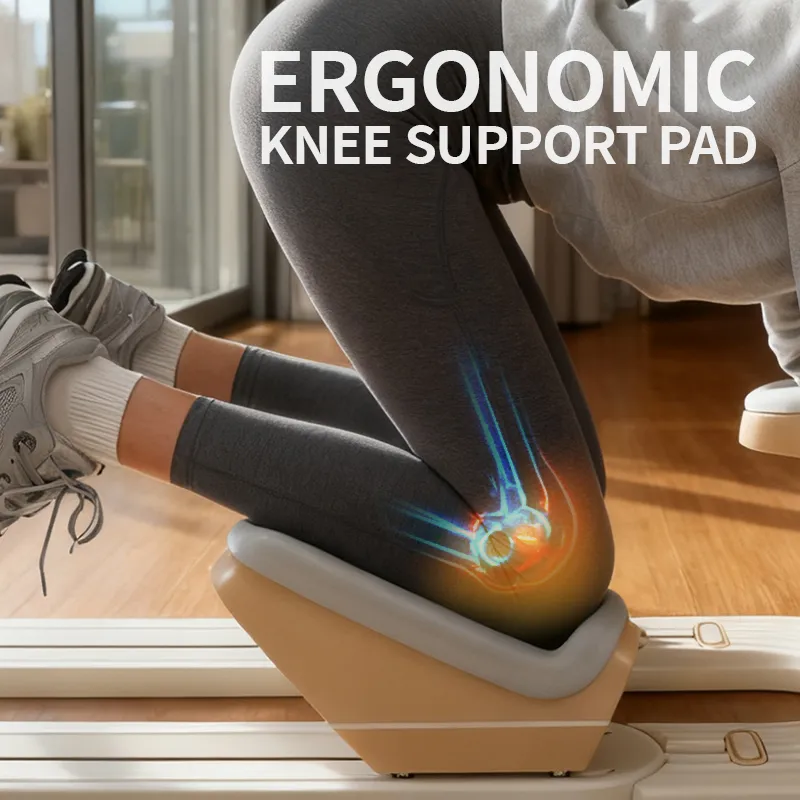
Japan's commercial fitness market demands exceptionally durable equipment capable of withstanding intensive daily use across diverse facility types. When selecting spine twist trainers for commercial supply in Japan, facility owners and procurement managers must prioritize equipment that combines robust construction with precise biomechanical design. The unique requirements of Japanese commercial facilities, from corporate wellness centers to municipal recreation complexes, necessitate spine twist equipment that delivers consistent performance while meeting strict safety and durability standards.
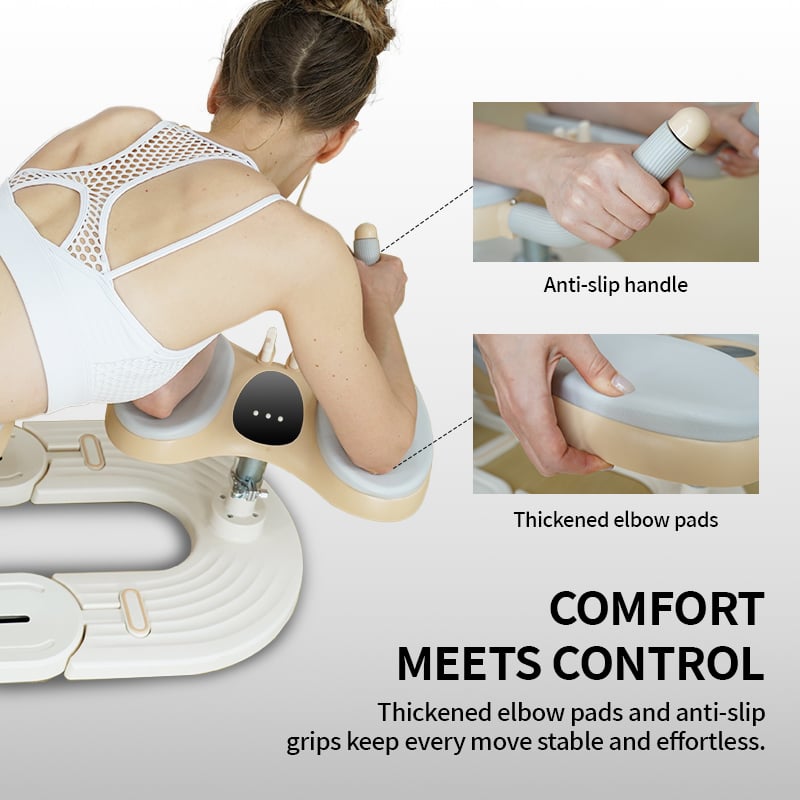
The commercial spine twist trainer market in Japan represents a specialized segment where quality, longevity, and user safety converge to meet the exacting standards of professional fitness environments. Japanese commercial buyers evaluate spine twist equipment through comprehensive criteria including structural integrity, operational smoothness, maintenance requirements, and long-term value proposition. Understanding these market dynamics enables suppliers to position durable spine twist solutions that align with Japan's commercial facility expectations and regulatory frameworks.
Engineering Excellence in Commercial Spine Twist Design
Heavy-Duty Frame Construction Standards
Commercial-grade spine twist trainers destined for Japan's demanding fitness environments require frame construction that exceeds residential equipment specifications by significant margins. The primary structural framework must utilize high-tensile steel tubing with wall thickness typically ranging from 3.0mm to 4.0mm, ensuring the equipment can accommodate continuous user rotation without structural fatigue. Japanese commercial standards often specify minimum weight capacities of 150kg to 200kg for spine twist equipment, requiring engineering approaches that distribute rotational forces across multiple load-bearing points.
The welding quality in spine twist frame assembly directly impacts long-term durability in commercial applications. Professional-grade equipment employs full-penetration welds at critical stress points, with additional reinforcement plates strategically positioned to handle the unique torsional forces generated during spinal rotation exercises. Japanese commercial buyers particularly value frame designs that incorporate corrosion-resistant treatments, including powder coating systems that maintain appearance and structural integrity across humid climate conditions common in many Japanese regions.
Precision Bearing Systems for Smooth Operation
The rotational mechanism represents the heart of any commercial spine twist trainer, requiring bearing systems engineered for thousands of operational cycles without performance degradation. High-quality commercial units incorporate sealed ball bearing assemblies with corrosion-resistant materials, typically featuring stainless steel races and ceramic ball elements that maintain smooth operation across extended service intervals. These bearing systems must accommodate the variable loading conditions created by users of different weights and rotation speeds.
Japanese commercial facilities particularly appreciate spine twist trainers equipped with maintenance-free bearing systems that eliminate the need for regular lubrication or adjustment procedures. Advanced commercial designs integrate multiple bearing points throughout the rotation mechanism, distributing wear patterns and extending overall system lifespan. The precision engineering of these components ensures consistent rotational resistance and eliminates the development of play or looseness that could compromise exercise effectiveness or user safety.
Durability Features Essential for Japanese Commercial Markets
Climate Resilience and Environmental Adaptability
Japan's diverse climate conditions, from humid coastal regions to temperature-variable inland areas, place specific demands on commercial fitness equipment materials and finishes. Durable spine twist trainers must incorporate corrosion-resistant materials throughout their construction, with particular attention to metal components exposed to moisture and temperature fluctuations. Stainless steel hardware, marine-grade aluminum elements, and advanced polymer coatings ensure equipment maintains both functionality and appearance across varying environmental conditions.
The upholstery and padding systems in commercial spine twist equipment require specialized attention to moisture resistance and antimicrobial properties. Japanese commercial standards often mandate materials that resist bacterial growth while maintaining comfort and durability through intensive daily use. High-density foam cores with moisture-barrier coverings, combined with easy-to-clean vinyl or synthetic leather surfaces, provide the longevity required in commercial environments while meeting hygiene expectations.
User Interface and Safety Integration
Commercial spine twist trainers serving Japanese markets must incorporate comprehensive safety features that protect users while minimizing facility liability concerns. Advanced designs include adjustable range limiters that prevent excessive rotation beyond safe biomechanical boundaries, protecting users from potential injury while accommodating different flexibility levels. Clear instructional graphics and multilingual safety labeling ensure proper equipment use across diverse user populations common in Japanese commercial facilities.
The user positioning systems in durable spine twist equipment require robust adjustment mechanisms capable of accommodating Japan's demographic diversity while maintaining precise alignment session after session. Commercial-grade height adjustment systems utilize heavy-duty gas springs or mechanical locking mechanisms that hold position under load without gradual settling. These systems must operate smoothly across thousands of adjustment cycles while maintaining the precision required for proper spinal alignment during exercise execution.
Commercial Supply Chain Considerations for Japan
Quality Assurance and Certification Requirements
Japanese commercial buyers demand comprehensive quality documentation and certification compliance from spine twist equipment suppliers. International safety standards such as EN ISO 20957 series requirements provide baseline specifications, but Japanese commercial facilities often impose additional quality benchmarks specific to their operational environments. Suppliers must provide detailed engineering documentation, material specifications, and testing data demonstrating equipment performance under simulated commercial usage conditions.
The certification process for commercial spine twist trainers in Japan typically includes third-party testing verification, ensuring equipment meets or exceeds specified performance parameters. These evaluations encompass structural integrity testing, operational cycle endurance trials, and safety system validation. Successful suppliers maintain comprehensive quality management systems that document manufacturing processes, material traceability, and final inspection procedures, providing Japanese buyers with confidence in equipment reliability and longevity.
Service Support and Maintenance Infrastructure
Durable spine twist trainers require comprehensive service support infrastructure to maintain optimal performance throughout their commercial service life. Japanese commercial buyers evaluate suppliers based on their ability to provide local technical support, replacement parts availability, and preventive maintenance guidance. Successful commercial supply relationships include detailed maintenance schedules, troubleshooting resources, and rapid response capabilities for any service requirements that may arise.
The parts availability strategy becomes particularly crucial for spine twist equipment deployed in Japanese commercial settings, where operational continuity directly impacts facility revenue. Suppliers must maintain adequate inventory levels of critical components, including bearing assemblies, adjustment mechanisms, and upholstery elements. Advanced suppliers provide comprehensive parts catalogs with clear identification systems, enabling facility maintenance staff to efficiently order and replace components when necessary.
Market Positioning and Value Proposition
Total Cost of Ownership Analysis
Japanese commercial buyers increasingly evaluate spine twist equipment through comprehensive total cost of ownership models that extend beyond initial purchase price. Durable commercial units with higher upfront costs often demonstrate superior value when maintenance requirements, replacement intervals, and operational reliability factors are incorporated into long-term financial analysis. The extended service life of premium spine twist trainers typically results in lower per-year operational costs despite higher initial investment levels.
Energy efficiency considerations also factor into modern commercial equipment evaluation, with spine twist trainers offering advantages through their mechanical operation that requires no electrical power consumption. This aspect becomes particularly valuable in Japanese commercial facilities focused on sustainability goals and operational cost control. The environmental impact of durable, long-lasting equipment aligns with Japanese corporate responsibility initiatives while providing practical economic benefits through reduced replacement cycles.
Competitive Differentiation Strategies
Successful positioning of durable spine twist trainers in Japan's commercial market requires clear differentiation from basic residential-grade alternatives. Premium commercial units demonstrate their value through superior materials, extended warranty coverage, and comprehensive service support that justifies higher investment levels. Detailed specifications documenting frame thickness, bearing quality, adjustment precision, and safety features enable buyers to make informed comparisons based on objective performance criteria.
The customization capabilities available in commercial spine twist equipment provide additional differentiation opportunities for Japanese market applications. Facilities often require specific color schemes, branding integration, or dimensional modifications to fit unique space constraints. Suppliers offering flexible customization options while maintaining structural integrity and safety compliance gain competitive advantages in Japan's diverse commercial fitness landscape.
FAQ
What makes spine twist trainers suitable for Japanese commercial facilities?
Commercial spine twist trainers designed for Japanese markets feature heavy-duty construction with high-tensile steel frames, precision bearing systems, and climate-resistant materials that withstand intensive daily use. These units accommodate diverse user populations while meeting strict Japanese safety and durability standards, including enhanced corrosion resistance for humid environments and comprehensive safety features that minimize facility liability concerns.
How do maintenance requirements differ between residential and commercial spine twist equipment?
Commercial spine twist trainers incorporate maintenance-free bearing systems and durable materials that significantly reduce service requirements compared to residential units. While residential equipment may require regular lubrication and adjustment, commercial-grade spine twist trainers feature sealed components and robust construction that typically require only periodic inspection and cleaning to maintain optimal performance throughout extended service intervals.
What certification standards apply to spine twist trainers in Japanese commercial settings?
Japanese commercial spine twist equipment must comply with international safety standards including EN ISO 20957 series requirements, along with additional Japanese-specific quality benchmarks. Suppliers must provide comprehensive documentation including third-party testing verification, structural integrity testing results, and safety system validation to meet Japanese commercial facility procurement standards and regulatory compliance requirements.
How important is local service support for commercial spine twist equipment in Japan?
Local service support infrastructure is critical for commercial spine twist trainers in Japan, as operational continuity directly impacts facility revenue. Japanese buyers prioritize suppliers offering local technical support, rapid parts availability, and comprehensive maintenance guidance. Successful commercial relationships include detailed service documentation, troubleshooting resources, and responsive support capabilities to minimize equipment downtime and maintain consistent facility operations.
Table of Contents
- Engineering Excellence in Commercial Spine Twist Design
- Durability Features Essential for Japanese Commercial Markets
- Commercial Supply Chain Considerations for Japan
- Market Positioning and Value Proposition
-
FAQ
- What makes spine twist trainers suitable for Japanese commercial facilities?
- How do maintenance requirements differ between residential and commercial spine twist equipment?
- What certification standards apply to spine twist trainers in Japanese commercial settings?
- How important is local service support for commercial spine twist equipment in Japan?