 EN
EN
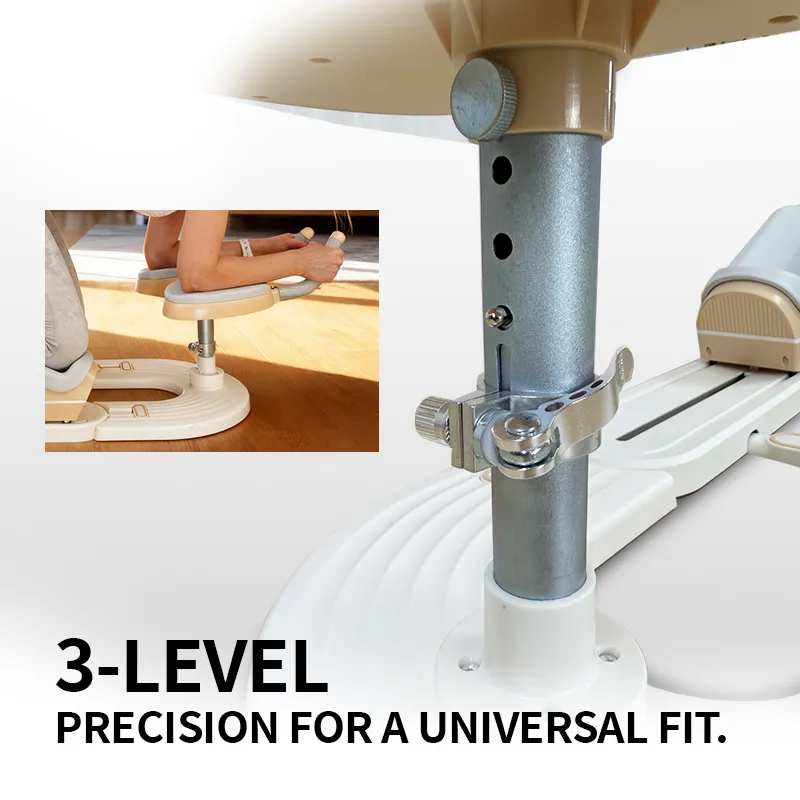
Japan's fitness equipment distribution market presents exceptional opportunities for wholesale stretch trainer equipment, driven by the country's aging population and growing emphasis on functional fitness solutions. Japanese distributors seeking reliable stretch trainer products must navigate unique market requirements including compact design preferences, quality certifications, and cultural fitness approaches that prioritize flexibility and mobility over pure strength training.
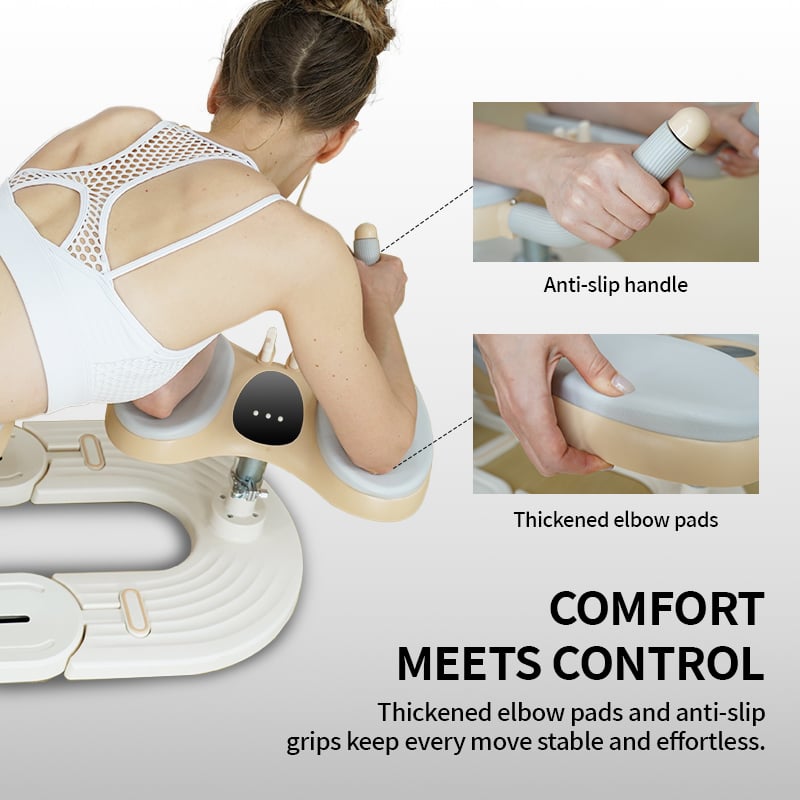
The wholesale stretch trainer market in Japan demands specialized understanding of local distribution channels, regulatory compliance, and consumer preferences that distinguish it from other Asian markets. Successful distributors leverage Japan's sophisticated logistics infrastructure while addressing the specific needs of fitness facilities, rehabilitation centers, and home users who prioritize equipment longevity and space efficiency in their purchasing decisions.
Understanding Japan's Stretch Trainer Distribution Landscape
Market Dynamics and Consumer Behavior
Japanese consumers approach stretch trainer equipment with distinct preferences shaped by cultural values and living constraints. The average Japanese fitness facility operates within significantly smaller spaces compared to Western counterparts, making compact and multi-functional stretch trainer designs essential for wholesale success. Distributors must recognize that Japanese buyers prioritize equipment durability and precise engineering over flashy features, reflecting the country's deep appreciation for craftsmanship and long-term value.
The demographic shift toward an aging society creates substantial demand for stretch trainer equipment that supports mobility maintenance and injury prevention. Healthcare integration drives much of this demand, with medical professionals increasingly recommending structured stretching routines for patients with chronic conditions. Wholesale distributors must understand how this medical endorsement influences purchasing patterns and product specification requirements.
Distribution Channel Characteristics
Japan's distribution network operates through established relationships and trust-based partnerships that can take years to develop. Wholesale stretch trainer distributors often work through trading companies that serve as intermediaries between manufacturers and end retailers. These trading companies provide crucial cultural translation services and navigate complex business protocols that foreign suppliers might find challenging to manage independently.
Fitness equipment specialty retailers maintain strong influence over product selection, often requiring exclusive territorial rights and comprehensive service support packages. Wholesale distributors must prepare for extensive product demonstrations, detailed technical documentation in Japanese, and ongoing technical support that exceeds expectations in many other markets. The relationship-driven nature of Japanese business means that stretch trainer distributors invest significantly in long-term partnership development rather than transaction-focused approaches.
Regulatory Compliance and Quality Standards
Safety Certification Requirements
Japanese regulatory authorities maintain stringent safety standards for fitness equipment, requiring stretch trainer products to meet specific certification criteria before wholesale distribution. The Product Safety Association (PSA) certification process involves comprehensive testing protocols that evaluate structural integrity, user safety mechanisms, and electrical safety where applicable. Wholesale distributors must ensure their stretch trainer suppliers provide complete certification documentation and maintain ongoing compliance monitoring.
Manufacturing quality standards extend beyond safety requirements to encompass environmental regulations and material sourcing guidelines. Japanese consumers increasingly demand transparency regarding manufacturing processes and environmental impact, particularly for equipment intended for long-term use. Stretch trainer distributors who can demonstrate adherence to environmental standards often gain competitive advantages in procurement processes with environmentally conscious facilities and corporate wellness programs.
Import Documentation and Customs Procedures
The import process for stretch trainer equipment involves multiple documentation requirements that wholesale distributors must navigate carefully to avoid costly delays. Japanese customs authorities require detailed product specifications, safety test certificates, and origin documentation that must be precisely formatted according to regulatory guidelines. Distributors often work with specialized customs brokers who understand fitness equipment classification codes and can expedite clearance processes.
Duty calculations for stretch trainer imports depend on material composition, country of origin, and specific product features that affect tariff classifications. Wholesale distributors benefit from understanding these classification nuances to provide accurate cost projections to their retail customers. Trade agreement benefits may apply to certain stretch trainer products depending on manufacturing location and material sourcing, requiring distributors to maintain detailed supply chain documentation.
Product Specification Preferences
Space Optimization Features
Japanese fitness facilities operate under severe space constraints that fundamentally influence stretch trainer design preferences. Wholesale distributors must prioritize equipment that offers maximum functionality within minimal footprints, often requiring innovative folding mechanisms or modular configurations. The most successful stretch trainer products in Japan combine multiple stretching functions into single units, reducing the need for multiple separate pieces that consume valuable floor space.
Storage efficiency represents a critical specification that distributors cannot overlook when selecting stretch trainer products for the Japanese market. Equipment that can be easily disassembled, nested, or wall-mounted provides significant value propositions to facility operators working within tight space budgets. Wholesale buyers frequently request detailed space utilization analyses that demonstrate how stretch trainer configurations maximize member capacity while maintaining safety clearances required by Japanese building codes.
Durability and Maintenance Considerations
Japanese buyers expect stretch trainer equipment to operate reliably for extended periods with minimal maintenance requirements. The cultural emphasis on long-term thinking translates into purchasing decisions that prioritize equipment longevity over initial cost savings. Wholesale distributors must provide comprehensive durability data including expected service life, component replacement schedules, and maintenance protocols that align with Japanese facility management practices.
Maintenance accessibility becomes crucial for stretch trainer equipment in Japanese facilities where space limitations restrict service technician movement. Equipment designs must accommodate routine maintenance procedures within confined spaces while ensuring that component access does not require extensive disassembly. Distributors who can demonstrate simplified maintenance protocols and provide local service support often secure long-term wholesale partnerships with facility operators.
Pricing Strategies and Market Positioning
Competitive Analysis Framework
The Japanese stretch trainer wholesale market exhibits distinct pricing dynamics that reflect quality expectations and brand positioning strategies. Premium pricing often correlates with superior engineering and longevity rather than feature complexity, requiring distributors to emphasize value propositions that resonate with Japanese quality consciousness. Market research indicates that Japanese buyers willingly pay higher prices for stretch trainer equipment that demonstrates superior craftsmanship and reliable performance over time.
Competitive positioning requires understanding how stretch trainer products compare not only with direct competitors but also with alternative flexibility training solutions prevalent in Japanese fitness culture. Traditional stretching methods and yoga equipment compete for similar market segments, requiring wholesale distributors to articulate clear advantages that justify dedicated stretch trainer investments. Success often depends on demonstrating measurable outcomes and efficiency improvements that appeal to data-driven Japanese business decision makers.
Volume Pricing and Territory Management
Wholesale pricing structures for stretch trainer equipment must accommodate Japan's preference for exclusive territorial partnerships and long-term volume commitments. Distributors typically negotiate annual volume targets with corresponding price reductions that reward consistent purchasing patterns. Territory exclusivity commands premium pricing but provides distributors with market protection that justifies higher initial investments and marketing expenditures.
Payment terms in Japanese wholesale stretch trainer transactions often extend beyond standard commercial practices, reflecting the relationship-based nature of business partnerships. Credit arrangements may involve seasonal adjustments that align with facility budgeting cycles and membership enrollment patterns. Distributors who can accommodate these payment preferences while maintaining healthy cash flow often establish competitive advantages in relationship development with major facility operators and equipment retailers.
Building Distributor Partnerships
Relationship Development Strategies
Successful stretch trainer distribution partnerships in Japan require patient relationship building that emphasizes trust development over immediate sales results. Initial meetings focus on understanding business philosophies and long-term objectives rather than product specifications and pricing negotiations. Japanese business culture values consistency and reliability, requiring distributors to demonstrate commitment through regular communication and service excellence over extended periods.
Partnership development involves extensive product education and technical support that goes beyond typical wholesale relationships. Japanese distributors expect comprehensive training programs for their sales staff and service technicians, often requiring on-site demonstrations and hands-on experience with stretch trainer equipment. Investment in these educational initiatives signals commitment to partnership success and differentiates serious suppliers from transaction-focused competitors.
Support Infrastructure Requirements
Japanese stretch trainer distributors require robust support infrastructure that includes local spare parts inventory, technical service capabilities, and responsive customer service in Japanese language. Wholesale suppliers must establish support systems that can address equipment issues quickly to minimize facility downtime and maintain user satisfaction. This infrastructure investment often determines long-term partnership viability more than initial product pricing or features.
Training and certification programs for distributor personnel create additional value that strengthens partnership relationships. Japanese distributors appreciate suppliers who invest in their staff development and provide ongoing education about stretch trainer technology advances and application techniques. These programs enhance distributor confidence in product representation and improve their ability to serve end customers effectively throughout the sales and service lifecycle.
FAQ
What are the minimum order quantities for wholesale stretch trainer distribution in Japan?
Minimum order quantities for stretch trainer wholesale in Japan typically range from 20 to 50 units depending on product complexity and supplier requirements. Most manufacturers require initial orders of at least 30 stretch trainer units to justify shipping costs and establish distributor commitment. Volume tiers often provide price reductions at 50, 100, and 200 unit levels, with many Japanese distributors targeting 100-unit orders for optimal pricing benefits.
How long does the regulatory approval process take for stretch trainer imports?
The regulatory approval process for stretch trainer equipment in Japan requires 4 to 8 weeks for complete certification and documentation processing. Safety testing and PSA certification can extend timelines to 10-12 weeks if modifications are required to meet Japanese standards. Wholesale distributors should plan for 3-month lead times from initial application to final import clearance to ensure adequate inventory availability for their retail partners.
What financing options are available for Japanese stretch trainer distributors?
Japanese stretch trainer distributors can access various financing options including equipment leasing programs, bank credit lines secured by inventory, and supplier financing arrangements with extended payment terms. Many international stretch trainer manufacturers offer 60-90 day payment terms for established distributors, while local banks provide inventory financing at competitive rates. Equipment leasing companies specializing in fitness equipment often partner with distributors to offer end-user financing solutions.
What after-sales support expectations should stretch trainer distributors prepare for?
Japanese customers expect comprehensive after-sales support including immediate response to technical inquiries, on-site service within 48 hours for equipment failures, and proactive maintenance scheduling to prevent downtime. Stretch trainer distributors must maintain service technician networks capable of responding quickly to facility calls and provide spare parts inventory that ensures minimal equipment unavailability. Extended warranty programs and preventive maintenance contracts are standard expectations rather than premium services.
Table of Contents
- Understanding Japan's Stretch Trainer Distribution Landscape
- Regulatory Compliance and Quality Standards
- Product Specification Preferences
- Pricing Strategies and Market Positioning
- Building Distributor Partnerships
-
FAQ
- What are the minimum order quantities for wholesale stretch trainer distribution in Japan?
- How long does the regulatory approval process take for stretch trainer imports?
- What financing options are available for Japanese stretch trainer distributors?
- What after-sales support expectations should stretch trainer distributors prepare for?