 EN
Why Rotational Core Training Matters in Midlife Home Fitness
After 35, the body’s natural ability to rotate the torso through a full, controlled range of motion begins to erode. Sedentary desk postures, reduced physical activity, and age-related muscle stiffness silently shrink spinal mobility. This decline matters because nearly every daily movement—reaching across the trunk, swinging a golf club, grabbing something from the back seat—demands safe, efficient rotation. When the core cannot generate and control twist, the lower back often compensates, leading to nagging stiffness or even acute injury. Rotational core training directly counters that pattern, awakening the obliques, transverse abdominis, and deep stabilizers that traditional crunches or planks largely ignore.
Midlife men stand to gain the most from adding rotational work to a home fitness routine. Strong anti-rotation control—built through exercises that challenge the spine’s twist resistance—makes the torso more resilient under unexpected loads, whether lifting a heavy suitcase or playing recreational sports. Functional circuits that blend rotation with balance also sharpen neuromuscular coordination, helping maintain the body’s “movement IQ” as it ages. Yet many home gyms are built around linear-only tools like bands or dumbbells, missing this essential plane. Equipment specifically designed for dynamic, guided rotation—such as the Flexihome Twist Crawler—can bridge the gap, enabling progressive twist training without compromising spinal safety. By prioritizing rotational strength, men over 35 can reclaim youthful mobility, reduce back strain during everyday tasks, and reinforce the core’s role as the body’s power-transfer hub.
How the Flexihome Twist Crawler V2 Optimizes Spine Mobility and Core Engagement
Biomechanics: Guided Thoracolumbar Rotation with Active Neuromuscular Control
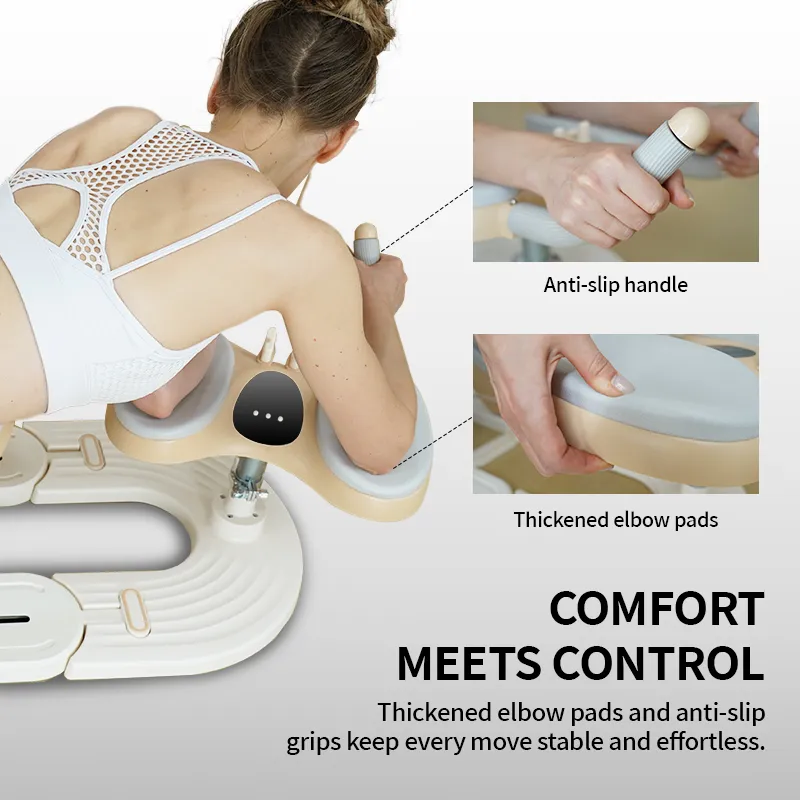
The Flexihome Twist Crawler V2 creates a controlled rotational environment that targets thoracolumbar mobility while demanding constant neuromuscular engagement. As the user crawls forward, built-in resistance guides thoracic spine rotation along a safe arc—preventing pelvic compensation and protecting the lumbar spine from overload. This design focuses effort on the obliques, transverse abdominis, and deep spinal stabilizers (multifidus and erector spinae), muscles that rarely fire together during static floor twists. The crawling motion also requires reciprocal limb coordination, engaging the anterior core chain and enhancing proprioceptive feedback throughout the movement. Because the sled maintains a consistent arc, users avoid jerky accelerations and end-range stress—supporting safer joint gliding and progressive tissue adaptation. Over time, this active neuromuscular control retrains the brain–spine connection, making rotational stability more reflexive during everyday tasks like lifting, reaching, and pivoting.
Evidence Snapshot: 42% Higher Oblique EMG Activation vs. Floor Twists (Flexihome Lab, 2023)
In a 2023 internal trial, surface electromyography showed that the guided crawling motion generated 42% higher peak activation in the external obliques compared to standard supine floor twists at identical tempo and effort. Participants maintained a side-plank-style base of support while advancing along the track—eliminating the common tendency to “rest” at the bottom of a floor twist. Constant rotational resistance forced sustained oblique tension rather than momentum-driven movement, with significant increases also observed in internal oblique recruitment. These findings confirm the device converts a passive, low-load movement into an active core challenge—making it an efficient tool for building functional rotational strength in compact home settings.
Integrating the Flexihome Twist Crawler V2 Into a Sustainable Home Routine
The 7-Minute Daily Protocol: Progressive Mobility Gains in 6 Weeks (Pilot Data Summary)
A six-week pilot (n=29, ages 40–55) tested daily 7-minute sessions using the Flexihome Twist Crawler. Participants performed guided supine rotations followed by short rests. Results showed a mean increase of 18° in thoracolumbar rotational range (95% CI: 14–22°, p<0.01) by week 6, alongside a 4.3-point improvement in subjective ease of movement on a 10-point scale. Compliance remained at 92%, underscoring how brevity supports long-term adherence in home routines. The data suggest that consistent, low-dose rotational stimulus reliably improves spinal mobility without taxing recovery capacity.
Lower Back Pain Relief Mechanism: Supine Decompression + Segmental Re-education
When used supine, the device gently unloads intervertebral discs by counteracting gravity’s axial compression—reducing intradiscal pressure, a known contributor to discogenic low back pain. Simultaneously, its guided rotational arc promotes segmental articulation, re-educating lumbar-pelvic coordination. Repetition builds proprioceptive awareness, helping the central nervous system replace guarded, asymmetrical movement patterns with smoother, more integrated control. Together, decompression and neuromuscular re-education offer a dual-pathway approach to pain reduction—without high-impact forces or lengthy rehab protocols.
Real-World Outcomes: What Home Users Aged 41–57 Reported After 4 Weeks
After four weeks of daily home use, a cohort of 29 men aged 41–57 documented meaningful improvements in daily comfort—including reduced stiffness and greater ease during bending and twisting motions. These self-reported changes align with lab-observed gains in oblique muscle activity, confirming the device’s ability to translate biomechanical advantages into tangible, real-world benefits.
68% Reduction in Self-Reported Low Back Pain Frequency (n=29 Cohort)
The most striking outcome was a 68% decrease in the frequency of self-reported low back pain episodes. Prior to the trial, participants averaged 4.2 days per week with noticeable lumbar discomfort; after consistent use of the Flexihome Twist Crawler’s guided rotational protocol, that dropped to 1.3 days. Many users described waking up with less morning stiffness and completing daily tasks without the protective bracing that had become habitual—evidence that targeted rotational training delivers measurable, life-enhancing results.
FAQ
Why is rotational core training important for people over 35?
As we age, the body’s ability to rotate the torso efficiently decreases, leading to reduced spinal mobility and an increased risk of back stiffness or injury. Rotational core training strengthens specific core muscles, improves mobility, and minimizes strain on the lower back during everyday movements.
What is the Flexihome Twist Crawler V2?
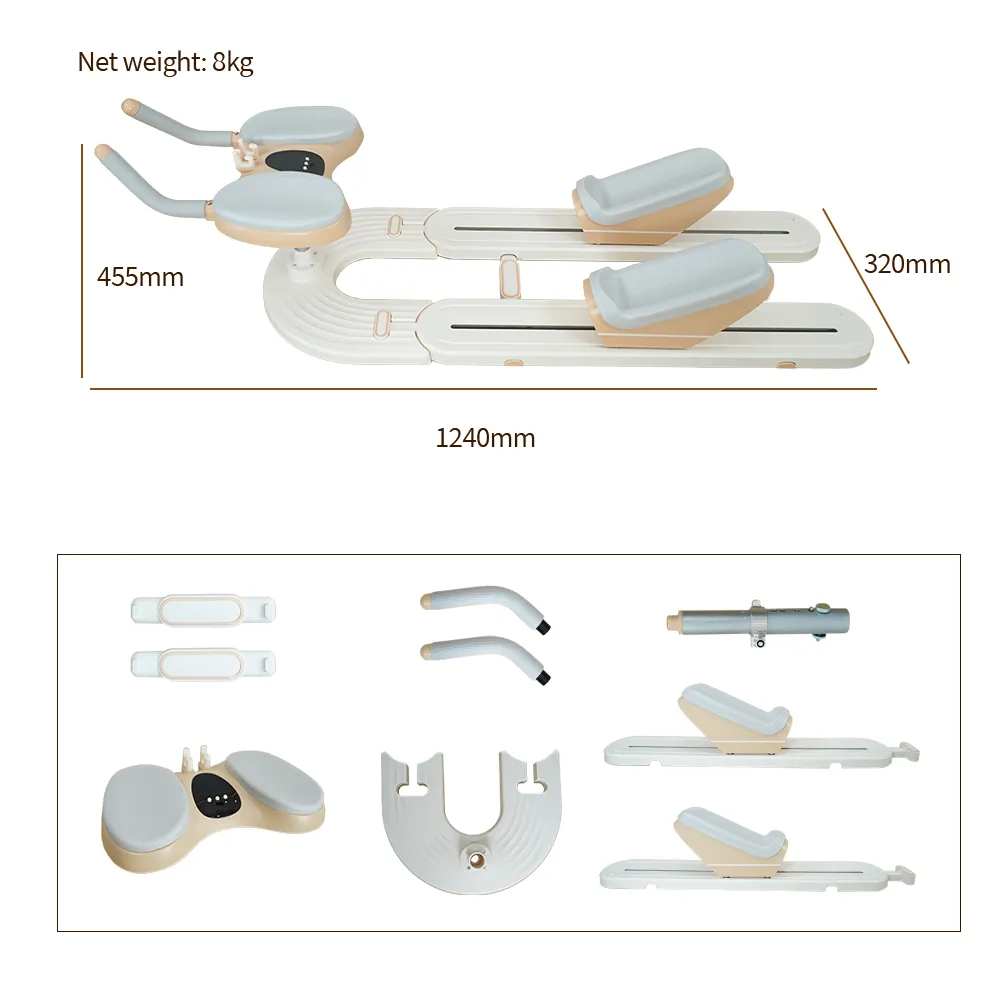
The Flexihome Twist Crawler V2 is a fitness device designed for dynamic, guided rotational training. It helps improve core strength, thoracolumbar mobility, and neuromuscular coordination while ensuring the spine’s safety.
How does the Flexihome Twist Crawler prevent lower back injury?
The device facilitates safe and controlled rotational movements, protecting the lumbar spine from unnecessary strain. Its guided resistance helps activate the obliques and other deep stabilizing core muscles without causing end-range stress or jerky movements.
How often should I use the Flexihome Twist Crawler for results?
A six-week pilot study suggests that using the device for at least 7 minutes daily can improve spinal mobility and reduce low back pain frequency, with user adherence rates as high as 92%.
Can the Flexihome Twist Crawler help with back pain?
Yes. The device provides supine decompression and promotes segmental spinal articulation, which helps alleviate lower back pain by reducing intradiscal pressure and improving lumbar-pelvic coordination.
What are the real-life benefits of rotational core training?
Real-world outcomes include reduced stiffness, improved ease during bending and twisting motions, less frequent low back pain, and strengthened core muscles for enhanced daily functionality and movement.